
Vocabulario del Transporte Aéreo - Avión
Revisión
Tarjetas de memoria
formas
Ortografía
Cuestionario

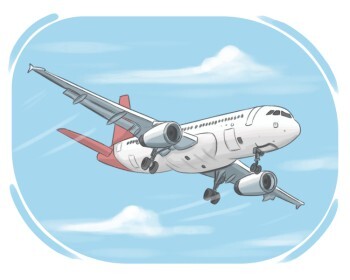
a flying vehicle with fixed wings that moves people and goods from one place to another through sky

avión

something new, especially a device, method, or process, that has been created or developed
invención
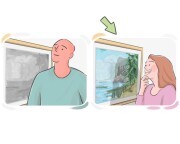
catching and keeping our attention because of being unusual, exciting, etc.
interesante
Mi vecino tiene una colección interesante de coches vintage.
to control movements of an airplane through the air
pilotar, volar
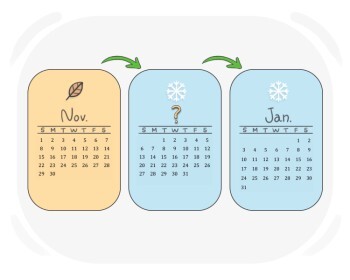
the 12th and last month of the year, after November and before January
diciembre

a scheduled journey by an aircraft
vuelo

someone who makes or designs something that did not exist before
inventor
El inventor del smartphone revolucionó la forma en que nos comunicamos y accedemos a la información.
the war that took place from the year 1914 to 1918 between the allies and the central powers
Primera Guerra Mundial
the activity of physically attacking or struggling against others, especially in battle or war
pelea
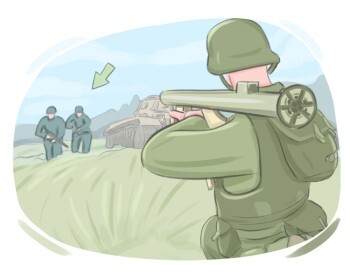
a country or its forces that one is fighting against in a war
enemigo
the observable changes in position, deployment, or tactical relocation of a military unit
movimiento, desplazamiento

to let or make something fall to the ground
soltar

an object that is designed to explode and cause destruction
bomba
the activity a person normally does to make money
negocio

a span of time which we do not work or go to school, and spend traveling or resting instead, particularly in a different city, country, etc.
vacaciones
Después de trabajar duro durante meses, finalmente me tomé unas vacaciones en las montañas.

without anyone else
solo
No soy lo suficientemente valiente para ir de camping solo.
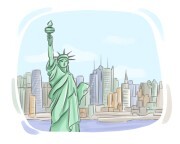
a city in New York State, USA, that is the most populated city in America and is famous for its Statue of Liberty
Nueva York, Nueva York
Se mudaron a Nueva York para mejores oportunidades laborales.
the capital and largest city of France; and international center of culture and commerce
París
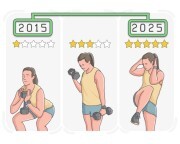
to need a specific amount of time to do something or for something to be done or happen
tardar, llevar
a way of transport that involves an aircraft
viaje aéreo
El auge de las aerolíneas de bajo costo ha hecho que el transporte aéreo sea más accesible y asequible para una gama más amplia de viajeros.
the war that took place from the year 1939 to 1945 between the axis and the allies
Segunda Guerra Mundial, II Guerra Mundial
to change or make someone or something change their position in an apparent way
mover
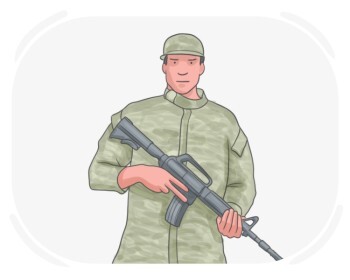
someone who serves in an army, particularly a person who is not an officer
soldado

(plural) necessary things, such as food, medicines, clothes, etc. for a group of people
existencias
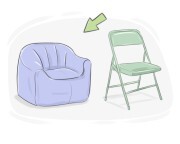
(of an object) making you feel relaxed because of it is warm or soft and does not hurt the body
cómodo
Ella prefiere usar zapatillas cómodas al caminar largas distancias.
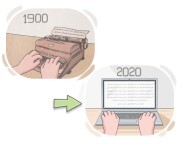
newly developed and incorporating new, modern methods or technology
avanzado
Los científicos desarrollaron métodos avanzados para rastrear los indicadores del cambio climático.
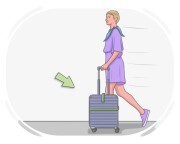
to hold someone or something and take them from one place to another
llevar
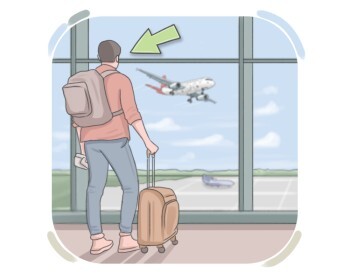
someone traveling in a vehicle, aircraft, ship, etc. who is not the pilot, driver, or a crew member
pasajero
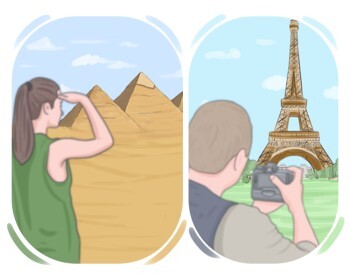
to visit places one has never seen before
explorar
a small island country in Southeast Asia, known for its modern economy, diverse population, and efficient transportation system, which is considered to be a wealthy nation
Singapur, la República de Singapur
to traverse or move over a certain distance, terrain, or area
recorrer, cubrir
to a degree that is close to being complete
casi
Las entradas para el concierto estaban casi agotadas, con solo unas pocas restantes.
