
pattern

Słownictwo Transportu Powietrznego - Samolot

Przegląd

Fiszki

formy

Pisownia

Test

Zacznij naukę
Air Transportation Vocabulary
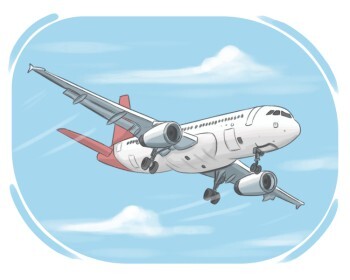
airplane
airplane
[Rzeczownik]

a flying vehicle with fixed wings that moves people and goods from one place to another through sky

samolot, aeroplan

samolot, aeroplan

Ex: The airplane cabin was spacious and comfortable. 
invention
invention
[Rzeczownik]

something new, especially a device, method, or process, that has been created or developed
Ex: Thomas patented an invention for improving bicycle safety. 
interesting
interesting
[przymiotnik]

catching and keeping our attention because of being unusual, exciting, etc.

interesujący, fascynujący

interesujący, fascynujący

Ex: The museum had many interesting exhibits. 

W muzeum było wiele ciekawych eksponatów.

to fly
to fly
[Czasownik]

to control movements of an airplane through the air

latać, pilotować
latać, pilotować

Ex: The experienced pilot was entrusted to fly a cargo plane, transporting goods across continents. 
December
December
[Rzeczownik]

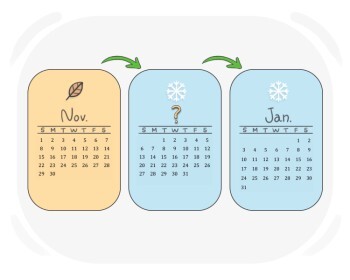
the 12th and last month of the year, after November and before January

grudzień

grudzień

Ex: December is the last month of the year. 
flight
flight
[Rzeczownik]

a scheduled journey by an aircraft

lot, podróż lotnicza
lot, podróż lotnicza

Ex: He managed to catch some sleep during the long flight. 
inventor
inventor
[Rzeczownik]

someone who makes or designs something that did not exist before

wynalazca, twórca

wynalazca, twórca

Ex: Marie Curie, a pioneering scientist and inventor, made groundbreaking discoveries in the field of radioactivity. 

Maria Curie, pionierska naukowiec i wynalazczyni, dokonała przełomowych odkryć w dziedzinie radioaktywności.

World War I
World War I
[Rzeczownik]

the war that took place from the year 1914 to 1918 between the allies and the central powers

I wojna światowa

I wojna światowa

fighting
fighting
[Rzeczownik]

the activity of physically attacking or struggling against others, especially in battle or war

walka,  bój
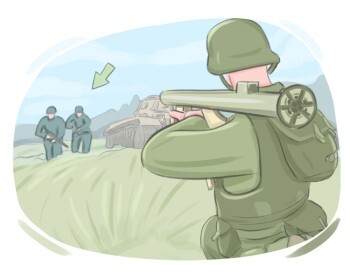
walka, bój

Ex: Heavy fighting forced families to leave the area. 
enemy
enemy
[Rzeczownik]

a country or its forces that one is fighting against in a war

wróg, przeciwnik

wróg, przeciwnik

Ex: Soldiers were warned that the enemy was nearby. 
movement
movement
[Rzeczownik]

the observable changes in position, deployment, or tactical relocation of a military unit

ruch, przemieszczenie
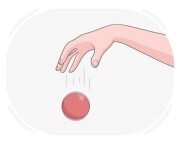
ruch, przemieszczenie

Ex: Spies intercepted radio chatter about naval movements in the strait. 
to drop
to drop
[Czasownik]

to let or make something fall to the ground

upuszczać, zrzucać

upuszczać, zrzucać

Ex: U.S. planes began dropping bombs on the city. 
bomb
bomb
[Rzeczownik]

an object that is designed to explode and cause destruction

bomba, urządzenie wybuchowe

bomba, urządzenie wybuchowe

Ex: The bomb exploded in the crowded market, causing widespread panic and chaos. 
business
business
[Rzeczownik]

the activity a person normally does to make money

biznes, interes
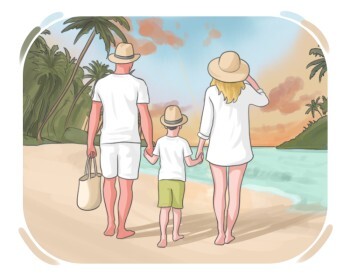
biznes, interes

Ex: I am interested in the business of filmmaking. 
vacation
vacation
[Rzeczownik]

a span of time which we do not work or go to school, and spend traveling or resting instead, particularly in a different city, country, etc.

wakacje, urlop

wakacje, urlop

Ex: They are going on a vacation to the beach for two weeks. 

Jadą na wakacje na plażę na dwa tygodnie.
alone
alone
[przysłówek]

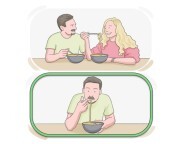
without anyone else

sam, samotnie

sam, samotnie

Ex: I chose to stay alone at home during the holidays. 

Wybrałem zostać sam w domu podczas wakacji.
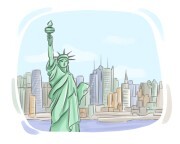
New York
New York
[Rzeczownik]

a city in New York State, USA, that is the most populated city in America and is famous for its Statue of Liberty

Nowy Jork, Nowy York

Nowy Jork, Nowy York

Ex: New York has a vibrant arts and theater scene. 

Nowy Jork ma tętniącą życiem scenę artystyczną i teatralną.

paris
paris
[Rzeczownik]

the capital and largest city of France; and international center of culture and commerce

Paryż
Paryż

Ex: Paris is famous for its museums, architecture, and cafes. 
to take
to take
[Czasownik]

to need a specific amount of time to do something or for something to be done or happen

zajmować, wymagać

zajmować, wymagać

Ex: Learning a new language can take several months of consistent practice. 
air travel
air travel
[Rzeczownik]

a way of transport that involves an aircraft

podróż lotnicza

podróż lotnicza

Ex: With the introduction of new technologies, air travel is becoming more comfortable and convenient for passengers. 

Wraz z wprowadzeniem nowych technologii podróże lotnicze stają się bardziej komfortowe i wygodne dla pasażerów.

World War II
World War II
[Rzeczownik]

the war that took place from the year 1939 to 1945 between the axis and the allies

II wojna światowa, Druga wojna światowa

II wojna światowa, Druga wojna światowa

to move
to move
[Czasownik]

to change or make someone or something change their position in an apparent way

poruszać, przesuwać
poruszać, przesuwać

Ex: He moved his hand to catch the falling object. 
soldier
soldier
[Rzeczownik]

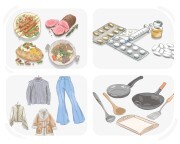
someone who serves in an army, particularly a person who is not an officer

żołnierz, wojskowy
żołnierz, wojskowy

Ex: The soldier polished his boots until they shone. 
supply
supply
[Rzeczownik]

(plural) necessary things, such as food, medicines, clothes, etc. for a group of people

zaopatrzenie,  dostawy
zaopatrzenie, dostawy

Ex: Humanitarian organizations rushed to provide emergency supplies to the disaster-stricken region. 
comfortable
comfortable
[przymiotnik]

(of an object) making you feel relaxed because of it is warm or soft and does not hurt the body

wygodny, komfortowy

wygodny, komfortowy

Ex: After a long day, I like to change into comfortable pajamas. 

Po długim dniu lubię przebrać się w wygodną piżamę.
advanced
advanced
[przymiotnik]

newly developed and incorporating new, modern methods or technology

zaawansowany, innowacyjny

zaawansowany, innowacyjny

Ex: Scientists developed advanced methods for tracking climate change indicators. 

Naukowcy opracowali zaawansowane metody śledzenia wskaźników zmian klimatycznych.
to carry
to carry
[Czasownik]

to hold someone or something and take them from one place to another

nosić, przenosić
nosić, przenosić

Ex: The shopping bag was heavy because it had to carry groceries for the whole family. 
passenger
passenger
[Rzeczownik]

someone traveling in a vehicle, aircraft, ship, etc. who is not the pilot, driver, or a crew member

pasażer, podróżny
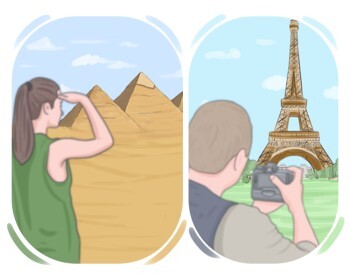
pasażer, podróżny

Ex: She often reads a book to pass the time when she's a passenger on long road trips. 
to explore
to explore
[Czasownik]

to visit places one has never seen before

eksplorować, odkrywać

eksplorować, odkrywać

Ex: She explores new neighborhoods every weekend to discover hidden gems. 
Singapore
Singapore
[Rzeczownik]

a small island country in Southeast Asia, known for its modern economy, diverse population, and efficient transportation system, which is considered to be a wealthy nation

Singapur, Republika Singapuru

Singapur, Republika Singapuru

to cover
to cover
[Czasownik]

to traverse or move over a certain distance, terrain, or area

pokonywać, przebywać
pokonywać, przebywać

Ex: The car covered 300 miles on the highway without any issues. 
nearly
nearly
[przysłówek]

to a degree that is close to being complete

prawie, niemal

prawie, niemal

Ex: The project was nearly complete, lacking only a final review before submission. 

Projekt był prawie ukończony, brakowało tylko ostatniego przeglądu przed złożeniem.

LanGeek
Pobierz aplikację LanGeek