
Inglés de Cambridge: FCE (B2 First) - Rasgos Personales y Comportamientos
Aprende vocabulario del FCE sobre rasgos de personalidad y comportamiento, incluyendo carácter, hábitos, actitudes, fortalezas, debilidades y formas en que las personas actúan en diferentes situaciones.
Revisión
Tarjetas de memoria
Ortografía
Cuestionario


showing approval or support

favorable
Los críticos fueron sorprendentemente favorables en sus comentarios.

easily annoyed and quick to anger
malhumorado, de mal humor
Lidiar con su casero malhumorado fue uno de los inconvenientes de alquilar el apartamento.

not subject to significant change or decline
estable, fijo

having a strong belief in one's abilities or qualities
seguro
Ella es una oradora segura, nunca nerviosa frente a una multitud.

to have an unfavorable opinion or judgment about something
desaprobar
Los inversores podrían desaprobar si la empresa no cumple con sus objetivos financieros.

always putting one's interests first and not caring about the needs or rights of others
egoísta
El conductor egoísta cortó el paso a otros coches en el tráfico sin pensarlo dos veces.
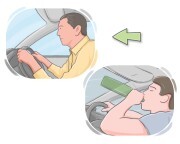
(of a person) displaying good judgment
sensato, razonable
Un líder sensato sabe cuándo tomar riesgos calculados.

unable to wait calmly for something or someone, often feeling irritated or frustrated
impaciente
Los niños se volvieron impacientes después de esperar horas por su turno.
the quality of being ready or glad to do something when the time comes or if the need arises
disposición, voluntad
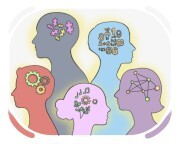
a notable feature or quality that defines or describes something
característica, rasgo

lacking structure and struggling to manage tasks and time efficiently
desestructurado
Su horario desorganizado hacía difícil mantener las citas.

having or showing intense excitement, eagerness, or passion for something
entusiasmado
La respuesta entusiasta del equipo a la nueva estrategia elevó la moral.
capable of adjusting easily to different situations, circumstances, or needs
adaptable
Es conocido por ser flexible con su horario, adaptándose a las necesidades de los demás.
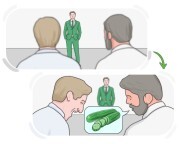
quick and clever with their words, often expressing humor or cleverness in a sharp and amusing way
agudo, ingenioso, ocurrente
Siempre tiene un comentario ingenioso listo, haciendo reír a todos con su humor inteligente.

having received a good education
educado
Las personas educadas están equipadas con las herramientas para analizar información críticamente y tomar decisiones informadas.
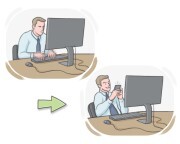
neglecting one's duties or obligations, often causing harm or inconvenience to others
irresponsable
No pagó sus facturas a tiempo, demostrando un enfoque irresponsable de la gestión financiera.
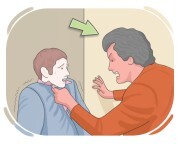
behaving in an angry way and having a tendency to be violent
agresivo
Se sentía intimidada por su comportamiento agresivo durante las discusiones.
constantly telling others what they should do
autoritario, mandón
Mientras que algunas personas aprecian la dirección, otras encuentran su actitud mandona desagradable.
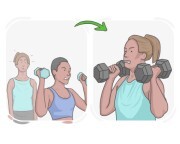
having a strong desire to win or succeed
competitivo, ambicioso
A pesar del ambiente amistoso, el jugador competitivo estaba decidido a salir victorioso en cada partido.
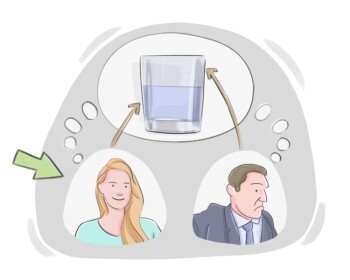
having a hopeful and positive outlook on life, expecting good things to happen
optimista
A pesar de los contratiempos, se mantuvo optimista de que las cosas mejorarían.

unwilling to change one's attitude or opinion despite good reasons to do so
terco, obstinado
El niño terco se negó a comer sus verduras, incluso después de que le dijeron que eran buenas para él.
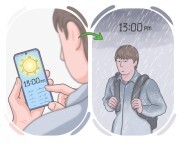
not deserving of trust or confidence
poco fiable
Es considerado poco confiable por sus colegas.

(of a person) eager to try new ideas, exciting things, and take risks
aventurero
El foodie aventurero adora probar cocinas exóticas y combinaciones de sabores atrevidas.

not truthful or trustworthy, often engaging in immoral behavior
deshonesto, poco honrado
La empresa sufrió pérdidas financieras debido a las acciones deshonestas de sus ejecutivos.
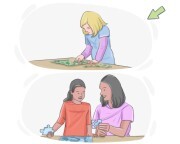
(of a person) having trust in one's abilities and qualities
seguro de sí mismo
Incluso en situaciones difíciles, él permaneció seguro de sí mismo.
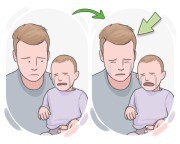
capable of understanding other people's emotions and caring for them
sensible
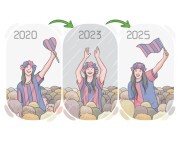
showing firm and constant support to a person, organization, cause, or belief
leal, fiel
Su leal dedicación a la causa inspiró a otros a unirse al movimiento y trabajar hacia un cambio positivo.

having exactly the same characteristics
idéntico
Las dos casas en la calle son idénticas, sin características distintivas.

to be similar to someone or something in appearance, character, or other qualities
parecerse a
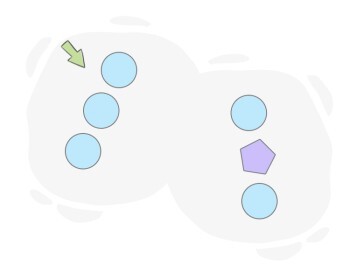
the state or quality of being alike without being exactly the same

to look or act like an older member of the family, especially one's parents
salir a, parecerse a
Ambas hermanas se parecen a su madre en términos de amabilidad.

to continue an action or state without interruption
seguir haciendo algo sin interrupción, mantenerse en la misma acción o estado
Preguntó si podíamos seguir discutiendo el proyecto hasta que se resolviera.
