
Le livre Top Notch Fondamentaux A - Unité 7 - Leçon 3
Ici, vous trouverez le vocabulaire de l'Unité 7 - Leçon 3 du manuel Top Notch Fundamentals A, comme "ménage", "laver", "linge", etc.
Réviser
Flashcards
formes
Orthographe
Quiz


to talk about something with someone, often in a formal manner

discuter de
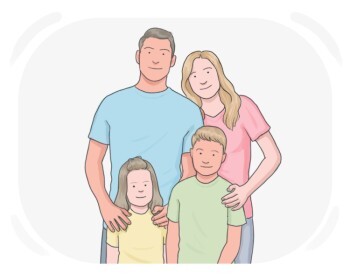
all the people living in a house together, considered as a social unit
famille
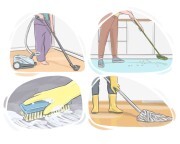
a task, especially a household one, that is done regularly
tâche ménagère
Elle a créé un tableau pour répartir les tâches ménagères entre ses colocataires.
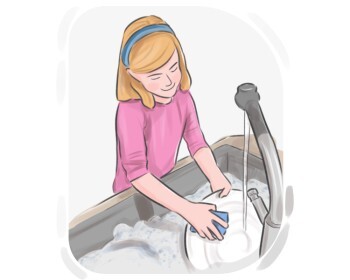
to clean someone or something with water, often with a type of soap
laver
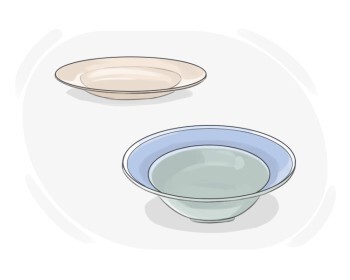
a flat, shallow container for cooking food in or serving it from
plat, assiette
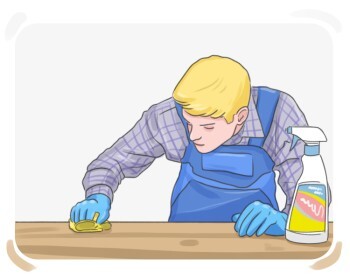
to make something have no bacteria, marks, or dirt
nettoyer
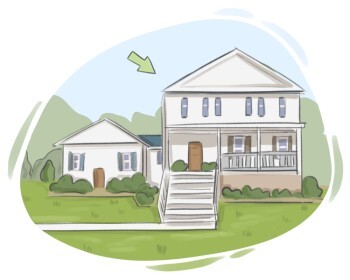
a building where people live, especially as a family
maison
to perform an action that is not mentioned by name
faire
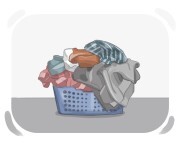
clothes, sheets, etc. that have just been washed or need washing
linge à laver, linge sale
J'ai oublié de sortir le linge de la machine à laver.
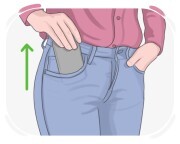
to remove a thing from somewhere or something
retirer, sortir de
Elle a sorti son portefeuille pour payer les courses.
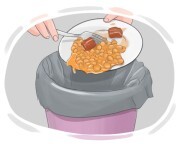
things such as household materials that have no use anymore
ordures, déchets
La rue était pleine de déchets après le festival.
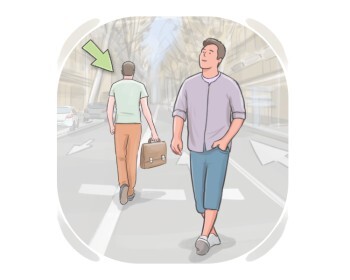
to travel or move from one location to another
aller
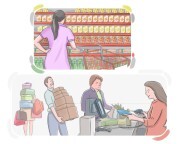
the activity of buying goods or services, especially from stores or online
shopping

the fine, dry particles of matter, such as dirt, earth, or pollen, that can be easily carried by the wind
poussière, poudre
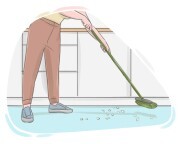
to clean a place by using a broom
balayer
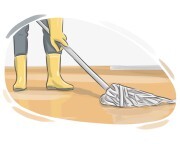
to clean a surface by wiping it with a handle attached to a sponge or cloth at its end
passer la serpillière
Le personnel du restaurant passe la serpillière dans la salle à manger après la fermeture pour préparer le lendemain.
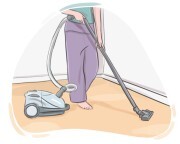
to clean a surface by using a machine that sucks up dirt, dust, etc.
passer l'aspirateur
Il aspire les tissus d'ameublement pour enlever les poils d'animaux.
