pattern

Vocabulaire pour l'IELTS General (Score 6-7) - Insignifiance

Ici, vous apprendrez quelques mots anglais liés à l'insignifiance qui sont nécessaires pour l'examen IELTS General Training.

Réviser

Flashcards

formes

Orthographe

Quiz

Commencer à apprendre
Vocabulary for General Training IELTS (6-7)
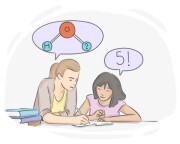
irrelevant
irrelevant
[Adjectif]

having no importance or connection with something

hors de propos, hors sujet

hors de propos, hors sujet

Ex: Bringing up past mistakes is irrelevant to the current conversation. 

Évoquer les erreurs passées est irrelevant à la conversation actuelle.
negligible
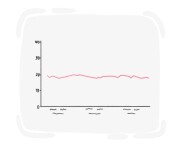
negligible
[Adjectif]

so small or insignificant that can be completely disregarded

négligeable

négligeable

Ex: After accounting for all the expenses, the profit made from the sale was negligible. 

Après avoir pris en compte toutes les dépenses, le bénéfice réalisé grâce à la vente était négligeable.
trifling
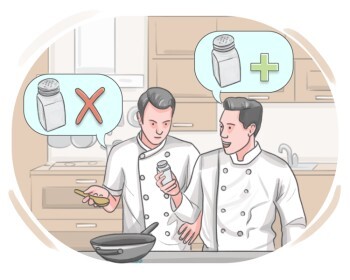
trifling
[Adjectif]

without any value or importance

insignifiant, insignifiante

insignifiant, insignifiante

Ex: The argument over the color of the logo seemed trifling in the context of the company's larger goals. 

La dispute sur la couleur du logo semblait futile dans le contexte des objectifs plus larges de l'entreprise.

superficial
superficial
[Adjectif]

lacking importance or significance

superficiel

superficiel

Ex: The team's victory in the friendly match was superficial, as it didn't affect their standing in the league. 

La victoire de l'équipe dans le match amical était superficielle, car elle n'a pas affecté leur position dans le championnat.

noncritical
noncritical
[Adjectif]

having no crucial or primary importance

non critique, peu important

non critique, peu important

unnoticeable
unnoticeable
[Adjectif]

not easily seen, observed, or perceived due to a lack of prominence

imperceptible, peu visible

imperceptible, peu visible

marginal
marginal
[Adjectif]

having limited significance or importance

insignifiant

insignifiant

Ex: Her role in the project was marginal, as she only provided occasional assistance. 

Son rôle dans le projet était marginal, car elle n'a fourni qu'une assistance occasionnelle.

inconsiderable
inconsiderable
[Adjectif]

not enough to attract attention or seem important

insignifiant, négligeable

insignifiant, négligeable

Ex: The delay caused by the minor technical glitch was inconsiderable, and the presentation proceeded smoothly. 

Le retard causé par le petit problème technique était insignifiant, et la présentation s'est déroulée sans problème.
pointless
pointless
[Adjectif]

lacking any purpose or goal

inutile, vain

inutile, vain

Ex: Spending hours on social media is often pointless and unproductive. 

Passer des heures sur les réseaux sociaux est souvent inutile et improductif.

inconsequential
inconsequential
[Adjectif]

lacking significance or importance

sans importance, sans conséquence

sans importance, sans conséquence

Ex: The minor spelling errors in the report were inconsequential and did not affect its overall message. 

Les petites fautes d'orthographe dans le rapport étaient insignifiantes et n'ont pas affecté son message global.

paltry
paltry
[Adjectif]

having little value or importance

négligeable

négligeable

Ex: Despite his grand promises, he made only paltry progress towards achieving his goals. 

Malgré ses grandes promesses, il n'a fait que des progrès minimes vers la réalisation de ses objectifs.

incidental
incidental
[Adjectif]

happening as a side effect or by chance rather than being the main purpose or focus

accessoire

accessoire

Ex: The study uncovered some incidental findings unrelated to its main objective. 

L'étude a révélé quelques découvertes fortuites sans rapport avec son objectif principal.

unsubstantial
unsubstantial
[Adjectif]

lacking substance, solidity, or significance

insubstantiel, peu substantiel

insubstantiel, peu substantiel

inappreciable
inappreciable
[Adjectif]

having a size or significance so minute that makes it challenging to notice or appreciate

inappréciable, insignifiant

inappréciable, insignifiant

to cheapen
to cheapen
[verbe]

to reduce the value of something

dévaloriser, abaisser

dévaloriser, abaisser

to underrate

to consider someone or something as less important, valuable, or skillful than they actually are

sous-estimer

sous-estimer

Ex: His leadership skills were underrated until he successfully managed a crisis. 

Ses compétences en leadership ont été sous-estimées jusqu'à ce qu'il gère avec succès une crise.

to degrade
to degrade
[verbe]

to reduce the quality or effectiveness of something

dégrader

dégrader

Ex: The chemical spill degraded the soil's fertility. 

Le déversement chimique a dégradé la fertilité du sol.
to downgrade

to lower the rank, status, or quality of something

rétrograder, déclasser

rétrograder, déclasser

Ex: Economic challenges may lead to a decision to downgrade a country's credit rating. 

Les défis économiques peuvent conduire à une décision de déclasser la notation de crédit d'un pays.
to undermine

to gradually decrease the effectiveness, confidence, or power of something or someone

miner, saper

miner, saper

Ex: Constant criticism can undermine a person's self-confidence. 

Les critiques constantes peuvent saper la confiance en soi d'une personne.

to de-emphasize

to reduce the importance, significance, or emphasis placed on something

minimiser, relativiser

minimiser, relativiser

to trivialize

to make something seem less important, significant, or serious than it actually is

banaliser, minimiser

banaliser, minimiser

LanGeek
Télécharger l'application LanGeek