


known by a lot of people

fameux, célèbre, excellent
Les romans de l'auteur célèbre ont été traduits dans plusieurs langues.

relating to the country, people, or culture of the United Kingdom
britannique
L'accent britannique est souvent considéré comme élégant et distinctif.
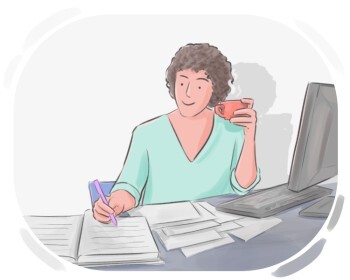
someone whose job involves writing articles, books, stories, etc.
écrivain, écrivaine
Elle est une écrivaine accomplie de livres pour enfants.
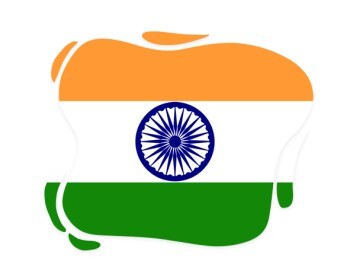
a country in South Asia, the second most populous country
Inde
La capitale de l'Inde est New Delhi.

the largest country in the United Kingdom, located in Western Europe
Angleterre
L'équipe nationale de football d'Angleterre a une base de fans passionnés et participe à des tournois internationaux.
to become a member of a group, club, organization, etc.
rejoindre, s’inscrire à, devenir membre de
Il a décidé de rejoindre le club d'échecs pour améliorer ses compétences stratégiques.
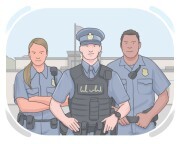
a group of police officers organized to maintain law and order
force de police,corps de police
La police a augmenté les patrouilles dans les zones à forte criminalité.
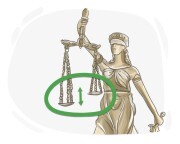
not fair, just, or reasonable in the way someone is treated or something is decided
injuste, inéquitable
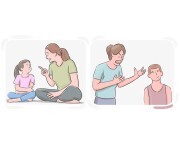
to deal with or behave toward someone or something in a particular way
traiter
Le manager traite toujours les employés avec respect et équité.
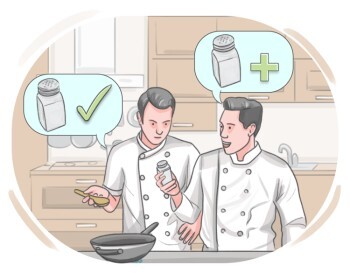
having great value, significance, or influence
important

in a manner that is free from bias, favoritism, or injustice
équitablement
Elle traite toujours ses amis équitablement dans les disputes.

for the entire standard duration of work or activity
à temps plein,à plein temps
Après avoir obtenu son diplôme, il a décidé d'étudier à temps plein au lieu de travailler.
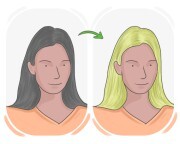
to make someone or something different from before

to give a particular impression based on what someone hears or reads
sembler
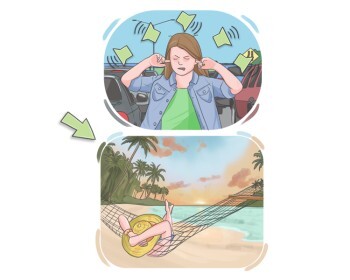
providing pleasure and enjoyment
agréable
Elle a acheté une belle veste en cuir de haute qualité.
to conduct one's life in a particular way or under certain conditions
vivre,exister
Pendant la pandémie, beaucoup ont dû vivre sous des mesures de confinement strictes.
the skill and knowledge we gain from doing, feeling, or seeing things
expérience
Voyager dans différents pays élargit les expériences culturelles d'une personne.
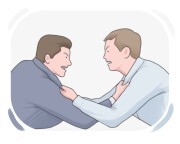
to take part in a violent physical action against someone
combattre,se battre
Il est essentiel de trouver des résolutions pacifiques plutôt que de recourir à se battre dans les conflits.
civil war in Spain in which Franco succeeded in overthrowing the republican government; during the war Spain became a battleground for fascists and socialists from all countries; 1936-1939
guerre civile espagnole,conflit civil espagnol

a statement that is false and used intentionally to deceive someone
mensonge,faux
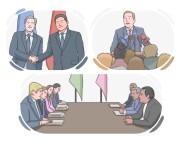
a set of ideas and activities involved in governing a country, state, or city
politique
L'approche du maire en matière de politique se concentre sur l'implication des citoyens et la prise de décision transparente.

a country in southwest Europe
Espagne
Madrid, la capitale de l'Espagne, est célèbre pour sa vie nocturne animée et sa scène artistique.
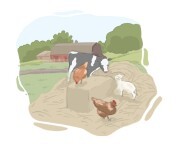
any animal that is kept and raised on a farm because of its function or profit
animal de ferme,bétail
Elle aime visiter le zoo pour enfants, où les enfants peuvent interagir avec divers animaux de ferme comme les chèvres et les moutons.
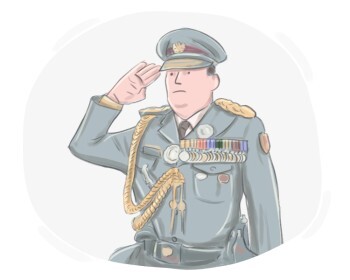
a person who leads or commands others
chef
Dans les sports, le capitaine de l'équipe sert de leader motivationnel.

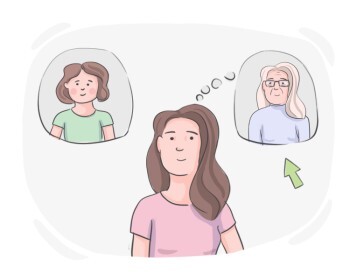
the time that will come after the present or the events that will happen then
avenir
Le livre nous donne un aperçu du futur possible.
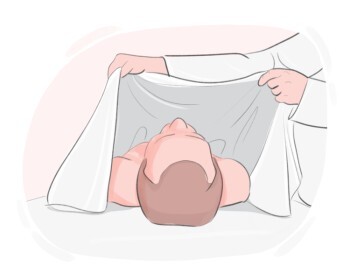
to no longer be alive
mourir, décéder
Le vieux chêne dans le jardin est finalement mort après avoir tenu debout pendant plus d'un siècle.
an illness in a human, animal, or plant that affects health
maladie
De nombreuses maladies peuvent être évitées grâce à la vaccination.
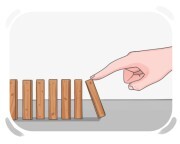
to cause a change in a person, thing, etc.
affecter
Le changement de temps peut affecter l'humeur et les niveaux d'énergie des gens.
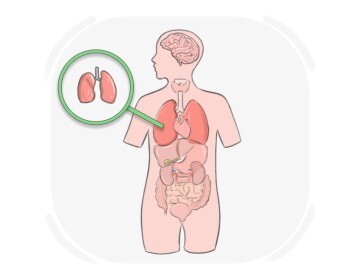
either of the two organs in the chest that allow people and many animals to breathe
poumon
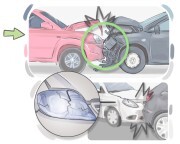
severe or dangerous enough to cause significant harm or concern
sérieux
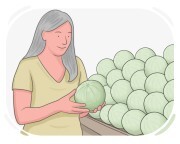
to choose someone or something out of a group of people or things
choisir
Le capitaine de l'équipe va choisir les joueurs pour le prochain match.
