pattern

Vocabulaire Clé des Boissons Chaudes - Thé

Réviser

Flashcards

formes

Orthographe

Quiz

Commencer à apprendre
Key Hot Drinks Vocabulary
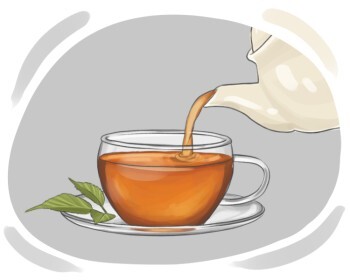
tea
tea
[nom]

a drink we make by soaking dried tea leaves in hot water

thé
thé

Ex: He tried a cup of white tea for the first time, savoring its delicate and subtle flavor. 
popular
popular
[Adjectif]

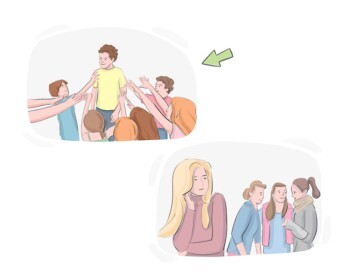
receiving a lot of love and attention from many people

populaire
populaire

Ex: Sushi is a popular food choice among those who love Japanese cuisine. 
drink
drink
[nom]

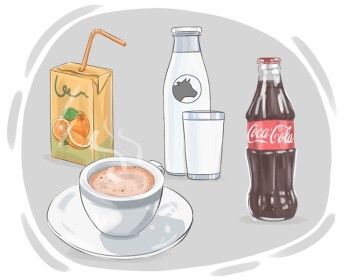
any liquid that we can drink

boisson

boisson

Ex: His favorite drink is freshly squeezed orange juice. 
all over the (world|globe)

in every part of the world

Ex: All over the world, people are adapting to new technologies. 
leaf
leaf
[nom]

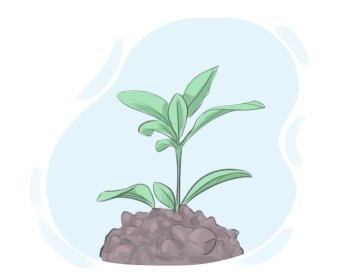
a usually green part of a plant in which the photosynthesis takes place

feuille
feuille

Ex: The tree's leaves rustled gently in the breeze, creating a soothing sound in the quiet forest. 
plant
plant
[nom]

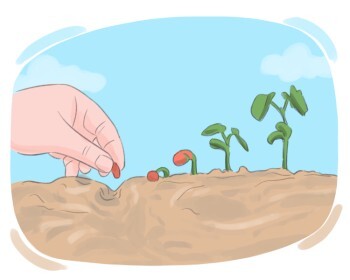
a living thing that grows in ground or water, usually has leaves, stems, flowers, etc.

plante
plante

Ex: The oak is a type of plant known as a tree. 
to grow
to grow
[verbe]

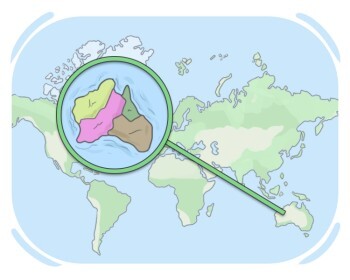
(of a plant) to naturally exist and develop

pousser, croître
pousser, croître

Ex: This vine will grow up the trellis if you let it. 
area
area
[nom]

a particular part or region of a city, country, or the world

région

région

Ex: The downtown area is busy during office hours. 
cool
cool
[Adjectif]

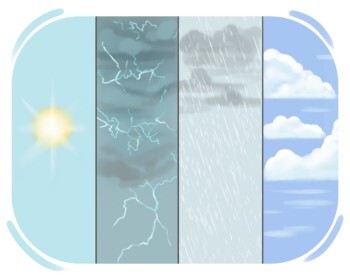
having a pleasantly mild, low temperature

frais, fraîche
frais, fraîche

Ex: The cool breeze from the sea made the hot day more enjoyable. 
weather
weather
[nom]

things that are related to air and sky such as temperature, rain, wind, etc.

temps

temps

Ex: The weather in this city is usually mild throughout the year. 
China
China
[nom]

the biggest country in East Asia

Chine
Chine

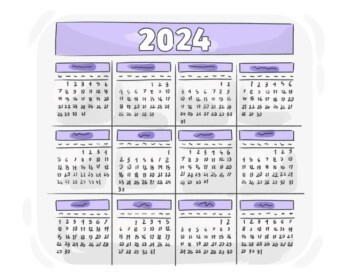
Ex: The economy of China has grown rapidly over the past few decades, making it one of the world's largest economies. 
year
year
[nom]

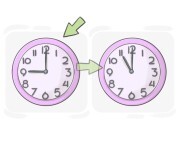
a period of time that is made up of twelve months, particularly one that starts on January first and ends on December thirty-first

an, année
an, année

Ex: My birthday is in January, so I start the year with a celebration. 
ago
ago
[Adverbe]

used to refer to a time in the past, showing how much time has passed before the present moment

il y a...

il y a...

Ex: They met a long time ago in college. 

Ils se sont rencontrés il y a longtemps auparavant à l'université.

legend
legend
[nom]

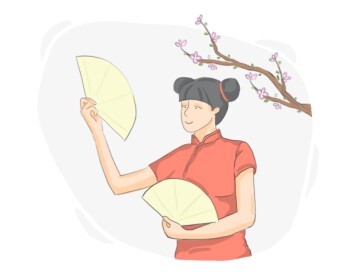
a traditional story about people or events that may have some historical basis but cannot be proved true

légende
légende

Ex: The children listened to an old legend about a warrior who saved the village. 
Chinese
Chinese
[Adjectif]

relating to the country, people, culture, or language of China

chinois, chinoise

chinois, chinoise

Ex: The restaurant serves authentic Chinese cuisine, including dumplings and noodles. 

Le restaurant sert une cuisine chinoise authentique, y compris des dumplings et des nouilles.

emperor
emperor
[nom]

a male ruler of an empire

empereur

empereur

Ex: The Roman emperor ordered a new temple to be built. 
accident

an unexpected and unpleasant event that happens by chance, usually causing damage or injury

accident

accident

Ex: She dropped the vase, but it was just an accident. 
nearby
nearby
[Adverbe]

not in the distance

dans les environs

dans les environs

Ex: My best friends live nearby, so we can hang out often. 

Mes meilleurs amis vivent à proximité, donc nous pouvons sortir souvent.
to boil
to boil
[verbe]

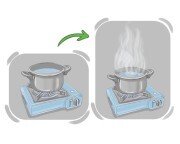
to reach the temperature at which a liquid forms bubbles and changes into gas

bouillir
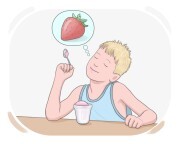
bouillir

Ex: Wait until the milk boils before reducing the heat. 
taste
taste
[nom]

the sense that we feel when we put food in our mouth

goût

goût

Ex: He loves the taste of fresh tomatoes in the summer. 
worker
worker
[nom]

someone who does manual work, particularly a heavy and exhausting one to earn money

ouvrier, travailleur
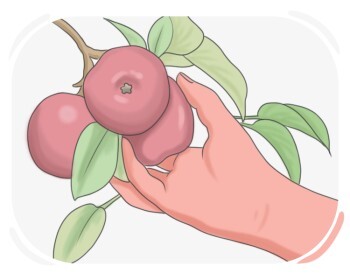
ouvrier, travailleur

Ex: She is a factory worker who assembles electronics. 
to pick
to pick
[verbe]

to take a flower or fruit from its plant with our fingers

cueillir, ramasser

cueillir, ramasser

Ex: Be careful when you pick the pears; they bruise easily. 
special
special
[Adjectif]

different or better than what is normal

spécial

spécial

Ex: The team worked hard to create a special experience for their guests. 
ready
ready
[Adjectif]

physically prepared with everything we might need for a particular task or situation

prêt, prepared to do something

prêt, prepared to do something

Ex: After hours of practice, the athlete felt ready for the upcoming competition. 
different
different
[Adjectif]

not like another thing or person in form, quality, nature, etc.

différent
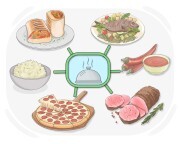
différent

Ex: She studied different subjects in school, from math to history. 
type
type
[nom]

a class or group of people or things that have common characteristics or share particular qualities

genre, type

genre, type

Ex: Environmentalists study the impact of pollution on different types of ecosystems. 
to treat
to treat
[verbe]

to consider or handle something in a particular way or as having a certain quality

considérer, traiter

considérer, traiter

Ex: The manager treats every complaint as a chance to improve the service. 
way
way
[nom]

a procedure or approach used to achieve something

façon, manière

façon, manière

Ex: He has an unusual way of painting that draws attention. 
example
example
[nom]

a sample, showing what the rest of the data is typically like

exemple
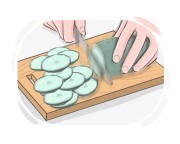
exemple

Ex: The study included a diverse range of industries, with the manufacturing sector being a standout example. 
quickly
quickly
[Adverbe]

with a lot of speed

vite, rapidement

vite, rapidement

Ex: He typed quickly to meet the deadline. 

Il a tapé rapidement pour respecter le délai.

to turn
to turn
[verbe]

to change or transform from one state or condition to another

devenir

devenir

Ex: The once clear water in the pond turned murky after the heavy rain. 
to brew
to brew
[verbe]

to make a drink, such as tea or coffee, or soup by soaking ingredients in hot water

faire, préparer, infuser

faire, préparer, infuser

Ex: Last night, he brewed a pot of strong black tea. 

Hier soir, il a préparé une tasse de thé noir fort.
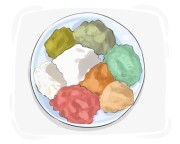
flavor
flavor
[nom]

the particular taste and smell that a food or drink has

goût
goût

Ex: Fresh herbs add flavor to the sauce. 
to come out

to become visible or be seen by others

apparaître, sortir

apparaître, sortir

Ex: The stars come out at night, creating a beautiful spectacle in the sky. 

Les étoiles apparaissent la nuit, créant un beau spectacle dans le ciel.

to add
to add
[verbe]

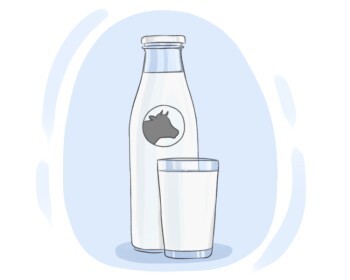
to put something such as an ingredient, additional element, etc. together with something else

ajouter
ajouter

Ex: I will add milk to my cereal for breakfast. 
milk
milk
[nom]

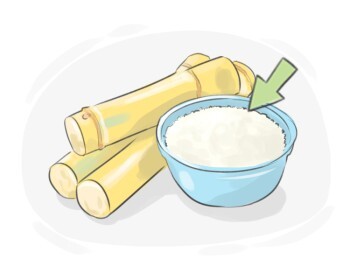
the white liquid we get from cows, sheep, or goats that we drink and use for making cheese, butter, etc.

lait
lait

Ex: I poured a glass of cold milk to accompany my freshly baked chocolate chip cookies. 
sugar
sugar
[nom]

a sweet white or brown substance that is obtained from plants and used to make food and drinks sweet

sucre
sucre

Ex: A teaspoon of sugar can sweeten your morning coffee or tea. 
slice
slice
[nom]

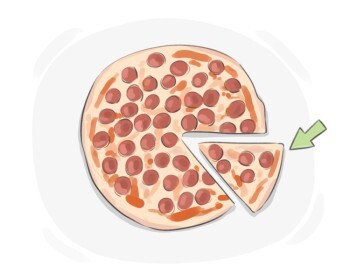
a piece of food cut from a larger amount, usually in a thin, flat shape

part, pointe
part, pointe

Ex: Would you like another slice of pizza? 
lemon
lemon
[nom]

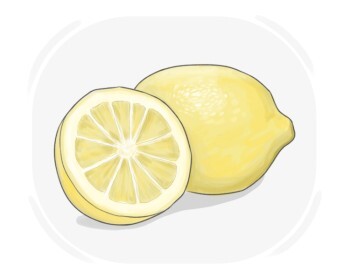
an oval yellow citrus fruit with juicy, sharply sour flesh

citron
citron

Ex: David cut the lemon into thin slices for the drinks. 
party
party
[nom]

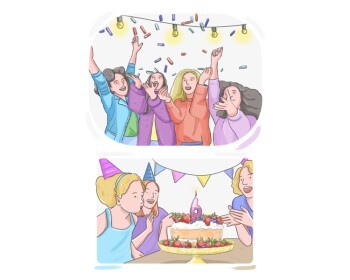
an event where people get together and enjoy themselves by talking, dancing, eating, drinking, etc.

fête, soirée

fête, soirée

Ex: I'm looking forward to the office Christmas party this year. 
to enjoy
to enjoy
[verbe]

to take pleasure or find happiness in something or someone

jouir de
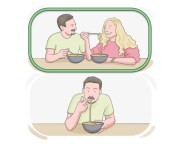
jouir de

Ex: We enjoyed a delicious meal at the new restaurant in town. 
together
together
[Adverbe]

in the company of or in proximity to another person or people

ensemble

ensemble

Ex: The children sat together at the front of the classroom. 

Les enfants se sont assis ensemble à l'avant de la salle de classe.

common
common
[Adjectif]

frequently found, happening, or seen

commun, de tous

commun, de tous

Ex: The common mistake in the test was misreading the instructions. 

L'erreur courante dans le test était de mal lire les instructions.
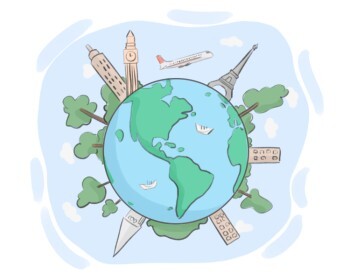
worldwide
worldwide
[Adverbe]

in or to all parts of the world

dans le monde entier

dans le monde entier

Ex: The conference attracted participants from worldwide locations. 

La conférence a attiré des participants de partout dans le monde.

LanGeek
Télécharger l'application LanGeek