

pattern

Kluczowe słownictwo gorących napojów - Tea

Przegląd

Fiszki

formy

Pisownia

Test

Zacznij naukę
Key Hot Drinks Vocabulary
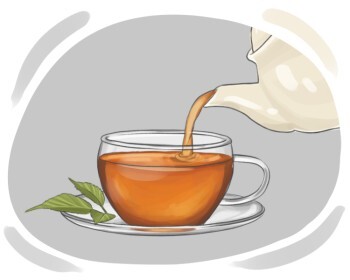
tea
tea
[Rzeczownik]

a drink we make by soaking dried tea leaves in hot water

herbata, napar
herbata, napar

Ex: He added a splash of milk to his black tea for a creamy and smooth taste. 
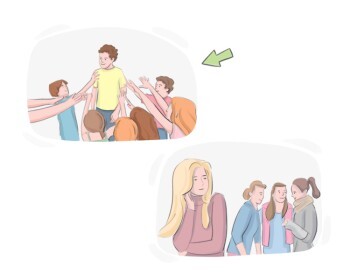
popular
popular
[przymiotnik]

receiving a lot of love and attention from many people

popularny, kochany
popularny, kochany

Ex: Harry Potter books are very popular among teenagers. 
drink
drink
[Rzeczownik]

any liquid that we can drink

napój, picie

napój, picie

Ex: She poured herself a refreshing drink after a long day. 
all over the (world|globe)

in every part of the world

Ex: The brand is recognized all over the world. 
leaf
leaf
[Rzeczownik]

a usually green part of a plant in which the photosynthesis takes place

liść

liść

Ex: He carefully examined the underside of the leaf to check for signs of pests or diseases. 
plant
plant
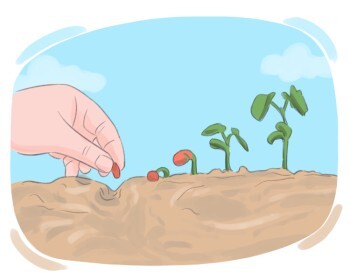
[Rzeczownik]

a living thing that grows in ground or water, usually has leaves, stems, flowers, etc.

roślina, ziele
roślina, ziele

Ex: The gardener watered the plant every morning. 
to grow
to grow
[Czasownik]

(of a plant) to naturally exist and develop

rosnąć, rozwijać się
rosnąć, rozwijać się

Ex: Roses can grow beautifully in this climate. 
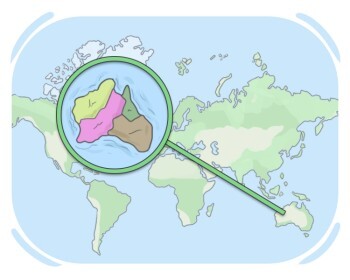
area
area
[Rzeczownik]

a particular part or region of a city, country, or the world

obszar, rejon

obszar, rejon

Ex: The area around the lake is a popular picnic spot. 
cool
cool
[przymiotnik]

having a pleasantly mild, low temperature

chłodny, orzeźwiający
chłodny, orzeźwiający

Ex: She appreciated the cool interior of the museum on the hot day. 
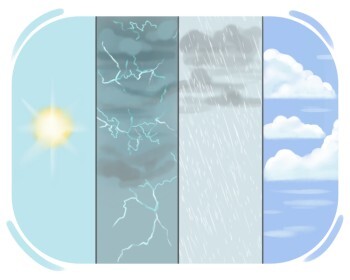
weather
weather
[Rzeczownik]

things that are related to air and sky such as temperature, rain, wind, etc.

pogoda, klimat

pogoda, klimat

Ex: I check the weather forecast every morning to plan my outfit. 
China
China
[Rzeczownik]

the biggest country in East Asia

Chiny, kraj Chiny
Chiny, kraj Chiny

Ex: China is known for its rich cultural heritage and historical landmarks, such as the Great Wall. 
year
year
[Rzeczownik]

a period of time that is made up of twelve months, particularly one that starts on January first and ends on December thirty-first

rok, lat
rok, lat

Ex: I'm looking forward to the new year and the opportunities it may bring. 
ago
ago
[przysłówek]

used to refer to a time in the past, showing how much time has passed before the present moment

temu, wcześniej

temu, wcześniej

Ex: She moved to this city three years ago. 
legend
legend
[Rzeczownik]

an old story that is sometimes considered historical although it is not usually proved to be true

legenda, mit

legenda, mit

Chinese
Chinese
[przymiotnik]

relating to the country, people, culture, or language of China

chiński, odnoszący się do Chin

chiński, odnoszący się do Chin

Ex: She studied Chinese history during her semester abroad in Beijing. 
emperor
emperor
[Rzeczownik]

a male king that rules an empire

cesarz, władca
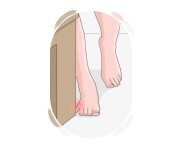
cesarz, władca

Ex: The emperor commanded his vast army to expand the empire's borders. 
accident
accident
[Rzeczownik]

an unexpected and unpleasant event that happens by chance, usually causing damage or injury

wypadek, incydent

wypadek, incydent

Ex: She had a minor accident in the kitchen and hurt her foot. 
nearby
nearby
[przysłówek]

not in the distance

w pobliżu, blisko
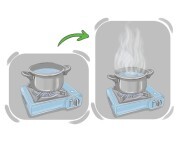
w pobliżu, blisko

Ex: There's a cafe nearby, perfect for a quick coffee break. 
to boil
to boil
[Czasownik]

(of liquids) to become very hot and turn into steam

gotować się, wrzenie

gotować się, wrzenie

Ex: Water boils at 100 degrees Celsius. 
taste
taste
[Rzeczownik]

the sense that we feel when we put food in our mouth

smak

smak

Ex: He liked the complex taste of the wine. 
worker
worker
[Rzeczownik]

someone who does manual work, particularly a heavy and exhausting one to earn money

robotnik, pracownik
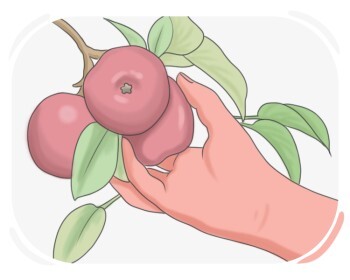
robotnik, pracownik

Ex: The worker spent the entire day repairing the machinery. 
to pick
to pick
[Czasownik]

to take a flower or fruit from its plant with our fingers

zbierać, zrywać

zbierać, zrywać

Ex: As a child, I used to pick wild raspberries in the forest behind our house. 
special
special
[przymiotnik]

different or better than what is normal

specjalny, szczególny

specjalny, szczególny

Ex: That song holds a special place in her heart. 
ready
ready
[przymiotnik]

physically prepared with everything we might need for a particular task or situation

gotowy,przygotowany, prepared to do something

gotowy,przygotowany, prepared to do something

Ex: She had her backpack packed and was ready for the hiking trip. 
different
different
[przymiotnik]

not like another thing or person in form, quality, nature, etc.

inny
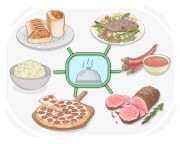
inny

Ex: He had a different perspective on the movie. 
type
type
[Rzeczownik]

a class or group of people or things that have common characteristics or share particular qualities

typ, kategoria

typ, kategoria

Ex: As a teacher, it's essential to understand the learning preferences of different types of students. 
to treat
to treat
[Czasownik]

to consider or handle something in a particular way or as having a certain quality

traktować, rozpatrywać

traktować, rozpatrywać

Ex: She treats the problem as an opportunity to learn rather than a setback. 
way
way
[Rzeczownik]

a procedure or approach used to achieve something

metoda, sposób

metoda, sposób

Ex: There are several ways to solve this equation. 
example
example
[Rzeczownik]

a sample, showing what the rest of the data is typically like

przykład, próbka
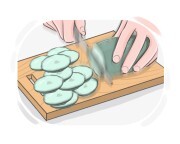
przykład, próbka

Ex: This participant serves as an example of the elderly demographic. 
quickly
quickly
[przysłówek]

with a lot of speed

szybko,  prędko

szybko, prędko

Ex: She finished the race quickly, crossing the finish line first. 
to turn
to turn
[Czasownik]

to change or transform from one state or condition to another

stać się, przemieniać się

stać się, przemieniać się

Ex: The meeting turned chaotic when opposing viewpoints clashed. 
to brew
to brew
[Czasownik]

to make a drink, such as tea or coffee, or soup by soaking ingredients in hot water

parzyć, przygotowywać
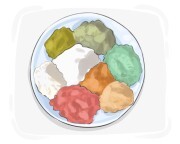
parzyć, przygotowywać

Ex: She likes to brew her coffee with freshly ground beans every morning. 
flavor
flavor
[Rzeczownik]

the specific taste that a type of food or drink has

smak, aromat
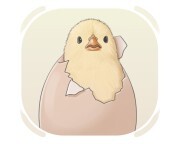
smak, aromat

Ex: He loves the tangy flavor of pickles. 
to come out
to come out
[Czasownik]

to become visible or be seen by others

pojawiać się, wychodzić

pojawiać się, wychodzić

Ex: The sun came out from behind the clouds, brightening up the day. 
to add
to add
[Czasownik]

to put something such as an ingredient, additional element, etc. together with something else

dodawać, wymieszać
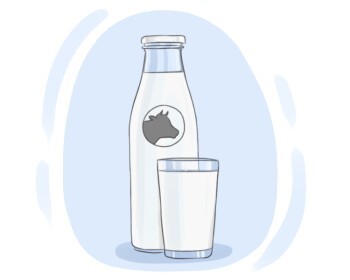
dodawać, wymieszać

Ex: Fertilizer is added to the soil to promote plant growth. 
milk
milk
[Rzeczownik]

the white liquid we get from cows, sheep, or goats that we drink and use for making cheese, butter, etc.

mleko
mleko

Ex: Consuming milk can help maintain healthy skin due to the presence of vitamin A. 
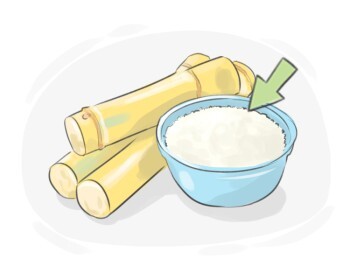
sugar
sugar
[Rzeczownik]

a sweet white or brown substance that is obtained from plants and used to make food and drinks sweet

cukier, cukier trzcinowy
cukier, cukier trzcinowy

Ex: A drizzle of sugar syrup over pancakes or waffles adds a delightful sweetness to breakfast. 
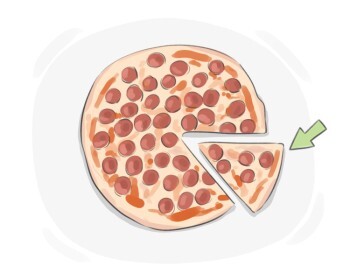
slice
slice
[Rzeczownik]

a small cut of a larger portion such as a piece of cake, pizza, etc.

kromka, plaster
kromka, plaster

Ex: She took a slice of bread and spread some butter on it. 
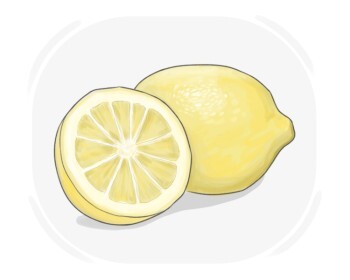
lemon
lemon
[Rzeczownik]

a juicy sour fruit that is round and has thick yellow skin

cytryna, limonka
cytryna, limonka

Ex: A few drops of lemon juice in a glass of water make for a simple and refreshing detoxifying drink. 
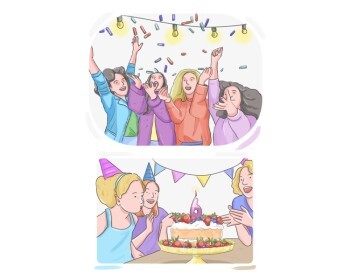
party
party
[Rzeczownik]

an event where people get together and enjoy themselves by talking, dancing, eating, drinking, etc.

impreza,  przyjęcie

impreza, przyjęcie

Ex: Everyone brought a dish to the potluck party. 
to enjoy
to enjoy
[Czasownik]

to take pleasure or find happiness in something or someone

cieszyć się, lubić
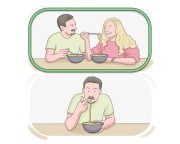
cieszyć się, lubić

Ex: She enjoys listening to classical music while working. 
together
together
[przysłówek]

in the company of or in proximity to another person or people

razem, z

razem, z

Ex: We walked together through the quiet streets. 
common
common
[przymiotnik]

frequently found, happening, or seen

powszechny, częsty

powszechny, częsty

Ex: It’s common for people to exchange holiday gifts with friends and family. 
worldwide
worldwide
[przysłówek]

in or to all parts of the world

na całym świecie, światowo

na całym świecie, światowo

Ex: The band's latest album was released and sold out worldwide within hours. 
LanGeek
Pobierz aplikację LanGeek