pattern

Kluczowe słownictwo części ciała - Nos

Przegląd

Fiszki

formy

Pisownia

Test

Zacznij naukę
Key Body Parts Vocabulary
nose
nose
[Rzeczownik]

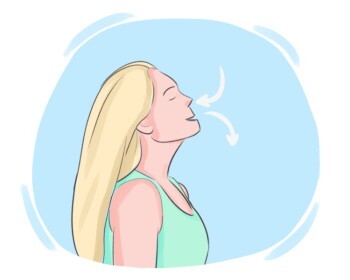
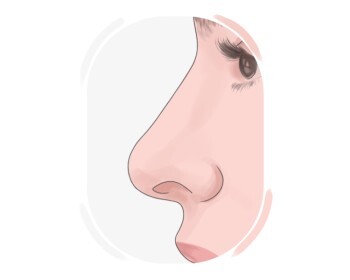
the body part that is in the middle of our face and we use to smell and breathe

nos, nozdrze
nos, nozdrze

Ex: The child had a runny nose and needed a tissue.

Dziecko miało katar i potrzebowało chusteczki.

part
part
[Rzeczownik]

any of the pieces making a whole, when combined

część, element
część, element

Ex: The screen is the main part of a laptop .

Ekran jest główną częścią laptopa.

body
body
[Rzeczownik]

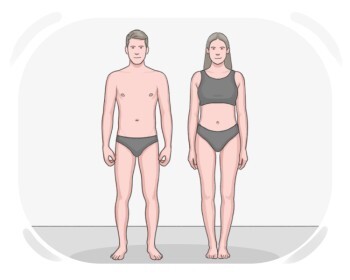
our or an animal's hands, legs, head, and every other part together

ciało, organizm

ciało, organizm

Ex: The human body has many different organs, such as the heart, lungs, and liver.

Ludzkie ciało ma wiele różnych narządów, takich jak serce, płuca i wątroba.

to help
to help
[Czasownik]

to make something easier, particularly by improving the situation

pomagać,  ułatwiać
pomagać, ułatwiać

Ex: Drinking water frequently helps with dehydration.

Częste picie wody pomaga przy odwodnieniu.

to smell
to smell
[Czasownik]

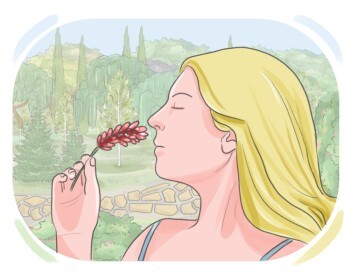
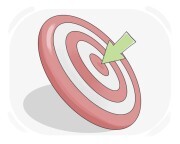
to recognize or become aware of a particular scent

wąchać, wyczuć
wąchać, wyczuć

Ex: Right now , I am smelling the flowers in the botanical garden .

Właśnie teraz wącham kwiaty w ogrodzie botanicznym.

middle
middle
[Rzeczownik]

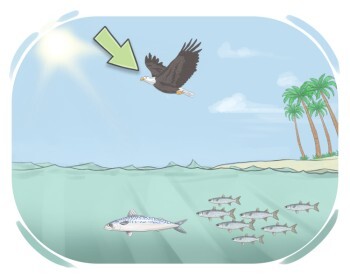
the part, position, or point of something that has an equal distance from the edges or sides

środek, centrum
środek, centrum

Ex: They met in the middle of the park to exchange keys for the apartment .

Spotkali się w środku parku, aby wymienić klucze do mieszkania.

above
above
[Przyimek]

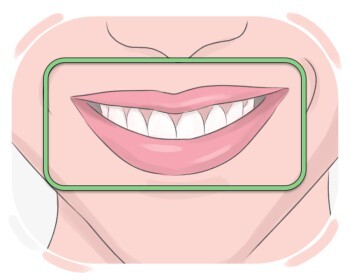
to or at higher position without direct contact

nad, powyżej
nad, powyżej

Ex: The hot air balloon floated gently above the landscape .

Balon na gorące powietrze delikatnie unosił się nad krajobrazem.

mouth
mouth
[Rzeczownik]

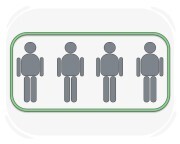
our body part that we use for eating, speaking, and breathing

usta
usta

Ex: She opened her mouth wide to take a bite of the juicy apple .

Otworzyła szeroko usta, aby ugryźć soczyste jabłko.

everyone
everyone
[Zaimki]

every single person in a group, community, or society, without exception

wszyscy, każdy

wszyscy, każdy

Ex: During the marathon , everyone pushed themselves to reach the finish line .

Podczas maratonu wszyscy pchali się, aby dotrzeć do mety.

to breathe
to breathe
[Czasownik]

to take air into one's lungs and let it out again

oddychać, wdychać i wydychać
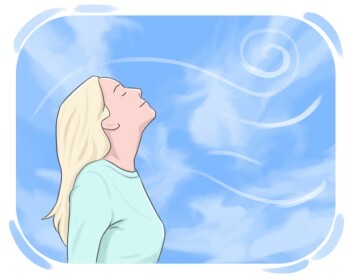
oddychać, wdychać i wydychać

Ex: The patient has breathed with the help of a ventilator in the ICU .

Pacjent oddychał przy pomocy respiratora na OIOM-ie.

air
air
[Rzeczownik]

the mixture of gases, primarily oxygen and nitrogen, that surrounds the Earth and is essential for breathing

powietrze, atmosfera
powietrze, atmosfera

Ex: The laboratory monitors the quality of the air.

Laboratorium monitoruje jakość powietrza.

through
through
[Przyimek]

used to indicate movement into one side and out of the opposite side of something

przez, przez środek

przez, przez środek

Ex: He reached through the bars to grab the keys .

Sięgnął przez kraty, aby chwycić klucze.

when
when
[Spójnik]

used to indicate that two things happen at the same time or during something else

kiedy,  podczas gdy

kiedy, podczas gdy

Ex: The lights come on automatically when it gets dark .

Światła włączają się automatycznie, kiedy robi się ciemno.

flower
flower
[Rzeczownik]

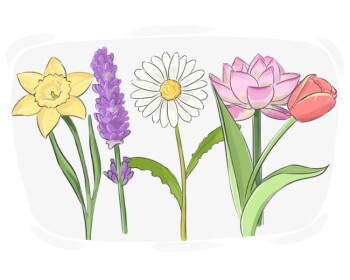
a part of a plant from which the seed or fruit develops

kwiat

kwiat

Ex: We planted seeds and watched as the flowers grew .

Posadziliśmy nasiona i obserwowaliśmy, jak rosną kwiaty.

to know
to know
[Czasownik]

to recognize or identify someone or something as different from others

rozpoznawać, identyfikować

rozpoznawać, identyfikować

Ex: I know that tree from the distinctive shape of its leaves .

Rozpoznaję to drzewo po charakterystycznym kształcie jego liści.

smell
smell
[Rzeczownik]

the distinct quality sensed by the nose, defining the essence of one's surroundings

zapach, aromat

zapach, aromat

opening
opening
[Rzeczownik]

an empty or unobstructed space in or between things

otwór, szczelina
otwór, szczelina

Ex: Rain blew in through an opening in the roof .

Deszcz wlatywał przez otwór w dachu.

to call
to call
[Czasownik]

to give a name or title to someone or something

nazywać, mianować
nazywać, mianować

Ex: What are their twin daughters called?

Jak nazywają się ich córki bliźniaczki?

nostril
nostril
[Rzeczownik]

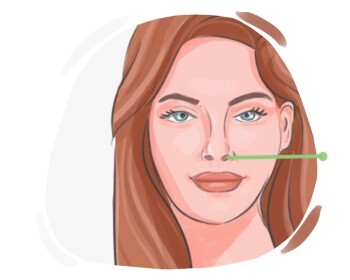
either of the two external openings of the nose that one breathes through

nozdrze, dziurka w nosie

nozdrze, dziurka w nosie

Ex: He pinched his nostrils shut to prevent the smell from reaching him .

Zaciśnął swoje nozdrza, aby zapobiec przedostawaniu się zapachu do niego.

tiny
tiny
[przymiotnik]

extremely small

malutki, drobny

malutki, drobny

Ex: The tiny kitten fit comfortably in the palm of her hand .

Malutki kotek wygodnie mieścił się w jej dłoni.

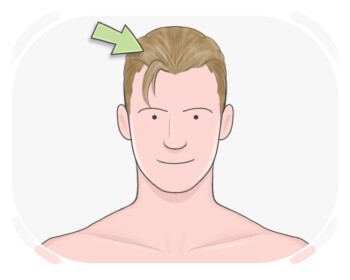
hair
hair
[Rzeczownik]

the thin thread-like things that grow on our head

włos, włosy
włos, włosy

Ex: The hairdryer is used to dry wet hair quickly .

Suszarka do włosów służy do szybkiego suszenia mokrych włosów.

to clean
to clean
[Czasownik]

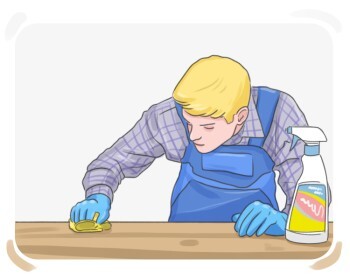
to make something have no bacteria, marks, or dirt

czyścić, myć
czyścić, myć

Ex: We always clean the bathroom to keep it hygienic .

Zawsze czyścimy łazienkę, aby utrzymać ją w higienie.

mucus
mucus
[Rzeczownik]

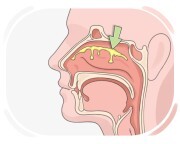
a thick slimy substance produced by mucous membranes, inside the nose or the mouth, to lubricate and protect them

śluz, wydzielina
śluz, wydzielina

Ex: The respiratory therapist taught the patient how to perform chest physiotherapy to help loosen and mobilize mucus in the lungs .

Terapeuta oddechowy nauczył pacjenta, jak wykonywać fizjoterapię klatki piersiowej, aby pomóc w rozluźnieniu i mobilizacji śluzu w płucach.

to keep
to keep
[Czasownik]

to make someone or something stay or remain in a specific state, position, or condition

utrzymywać, zachowywać

utrzymywać, zachowywać

Ex: They keep the fridge stocked with fresh ingredients .

Oni utrzymują lodówkę zaopatrzoną w świeże składniki.

wet
wet
[przymiotnik]

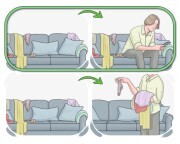
still moist and not dry

wilgotny, mokry
wilgotny, mokry

Ex: His hands were covered in wet ink from the freshly printed newspapers .

Jego dłonie były pokryte mokrym atramentem ze świeżo drukowanych gazet.

to catch
to catch
[Czasownik]

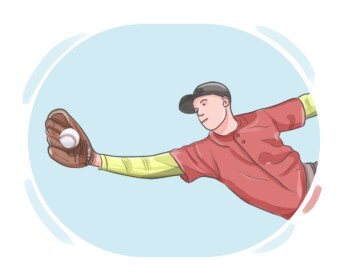
to stop and hold an object that is moving through the air

łapać, chwytać

łapać, chwytać

Ex: The goalkeeper is going to catch the ball in the next match .

Bramkarz ma zamiar złapać piłkę w następnym meczu.

dust
dust
[Rzeczownik]

the fine, dry particles of matter, such as dirt, earth, or pollen, that can be easily carried by the wind

kurz, ziemia

kurz, ziemia

Ex: The farmer 's clothes were coated with dust after a day in the fields .

Ubranie rolnika było pokryte kurzem po dniu spędzonym w polu.

germ
germ
[Rzeczownik]

a small living organism that causes disease or infection

zarazek, bakteria

zarazek, bakteria

important
important
[przymiotnik]

having a lot of value

ważny, kluczowy

ważny, kluczowy

Ex: The important issue at hand is ensuring the safety of the workers .

Ważną kwestią jest zapewnienie bezpieczeństwa pracowników.

to [take] care of {sb/sth}

to look after or manage someone or something, ensuring their needs are met
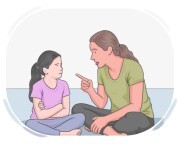
Ex: He promised to take care of the plants while his friend was on vacation.
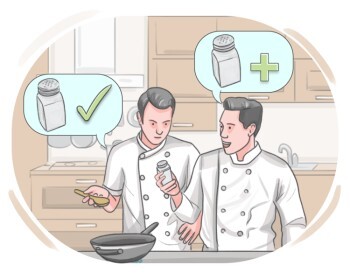
should
should
[Czasownik]

used to say what is suitable, right, etc., particularly when one is disapproving of something

powinien, powinieneś

powinien, powinieneś

Ex: Individuals should refrain from spreading false information on social media .

Osoby powinny powstrzymać się od rozpowszechniania fałszywych informacji w mediach społecznościowych.

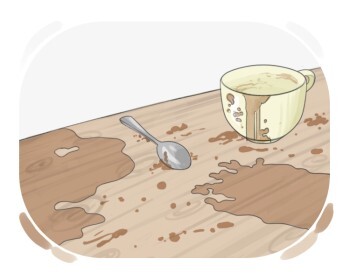
dirty
dirty
[przymiotnik]

having stains, bacteria, marks, or dirt

brudny, zabrudzony

brudny, zabrudzony

Ex: The dirty dishes in the restaurant 's kitchen needed to be washed .

Brudne naczynia w kuchni restauracji trzeba było umyć.

blocked
blocked
[przymiotnik]

obstructed or closed off, preventing movement, flow, view or access

zablokowany, zatkany

zablokowany, zatkany

Ex: Her nose was blocked from a bad cold.

Jej nos był zablokowany z powodu silnego przeziębienia.

to blow
to blow
[Czasownik]

to force air to move toward or through something, often with a strong or directed flow

dmuchać, wietrzyć

dmuchać, wietrzyć

Ex: After a shower , she plugged in the hairdryer and blew warm air onto her wet hair to dry it quickly .

Po prysznicu podłączyła suszarkę i dmuchnęła ciepłym powietrzem w mokre włosy, aby szybko je wysuszyć.

gently
gently
[przysłówek]

with a soft or light touch, or with minimal force

delikatnie, lekko

delikatnie, lekko

Ex: The kitten gently nuzzled the blanket .

Kotek delikatnie wtulił się w koc.

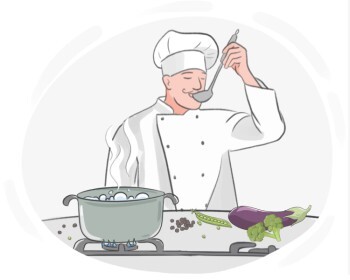
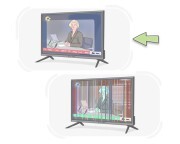
to taste
to taste
[Czasownik]

to be able to recognize the flavor of something by eating or drinking it

smakować, kosztować
smakować, kosztować

Ex: If you try this exotic fruit , you will taste a unique combination of flavors .

Jeśli spróbujesz tego egzotycznego owocu, posmakujesz unikalnej kombinacji smaków.

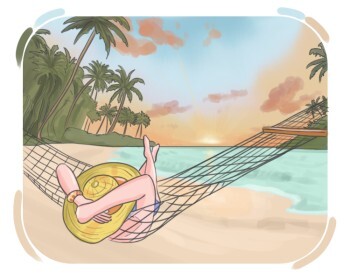
to work
to work
[Czasownik]

to operate or function properly

działać, pracować
działać, pracować

Ex: The machine stopped working suddenly .

Maszyna nagle przestała działać.

to enjoy
to enjoy
[Czasownik]

to take pleasure or find happiness in something or someone

cieszyć się, lubić

cieszyć się, lubić

Ex: Despite the rain , they enjoyed the outdoor concert .

Pomimo deszczu, cieszyli się koncertem na świeżym powietrzu.

healthy
healthy
[przymiotnik]

being in good condition and free from disease or damage

zdrowy, krzepki

zdrowy, krzepki

Ex: The garden is filled with healthy flowers and vibrant colors .

Ogród jest wypełniony zdrowymi kwiatami i żywymi kolorami.

Kluczowe słownictwo części ciała
OczyNosBrońWłosy
NogiPalce
LanGeek
Pobierz aplikację LanGeek