
Książka Solutions - Podstawowy - Jednostka 9 - 9B
Tutaj znajdziesz słownictwo z Unit 9 - 9B w podręczniku Solutions Elementary, takie jak "zapomnieć", "mówić", "odpowiedzieć" itp.
Przegląd
Fiszki
formy
Pisownia
Test
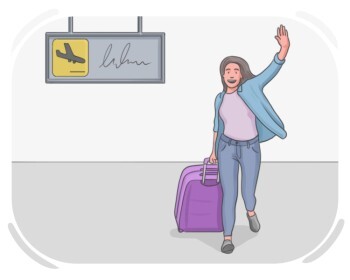
to reach a location, particularly as an end to a journey

przybyć, dotrzeć
Po długim locie w końcu dotarliśmy do Paryża.
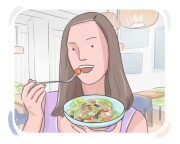
to eat or drink something
brać, jeść
Zjedzmy śniadanie razem, zanim zaczniemy nasz dzień.
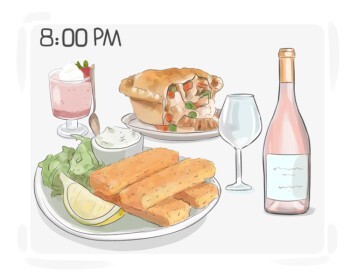
the main meal of the day that we usually eat in the evening
kolacja, obiad
Mieli rodzinny obiad z pieczonym kurczakiem, ryżem i gotowaną na parze brokułami.
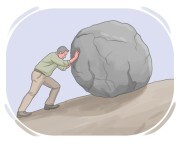
to make an effort or attempt to do or have something
próbować, starać się
Próbował podnieść ciężką skrzynię, ale była zbyt ciężka.
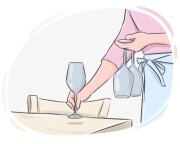
to move something or someone from one place or position to another
kłaść, umieszczać
Czy ona włożyła kwiaty do wazonu?
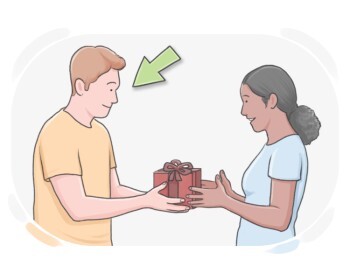
to hand a thing to a person to look at, use, or keep
dawać, wręczać
Bibliotekarz dał mi książkę do wypożyczenia na moje badania.
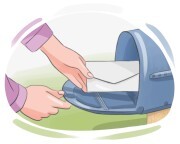
to have a person, letter, or package physically delivered from one location to another, specifically by mail
wysłać
Muszę wysłać ten ważny dokument do głównego biura pocztą ekspresową.
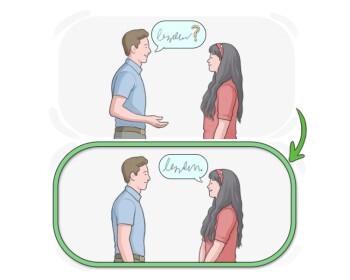
to answer someone by writing or saying something
odpowiadać, odpowiedzieć
Odpowiedział na wiadomość tekstową prostym "Tak", aby potwierdzić rezerwację na obiad.
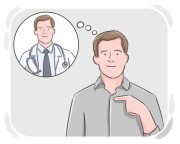
used when naming, or giving description or information about people, things, or situations
być, znajdować się
Ta roślina to słonecznik.
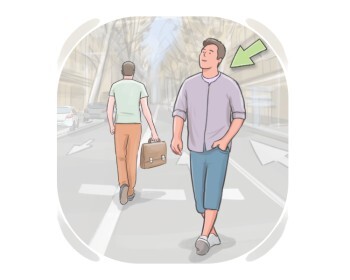
to move toward a location that the speaker considers to be close or relevant to them
przychodzić, przybywać
Proszę przyjść na przód klasy, aby zaprezentować swój projekt.

to perform an action that is not mentioned by name
robić, wykonywać
W czasach kryzysu ludzie często łączą siły, aby zrobić to, co konieczne.
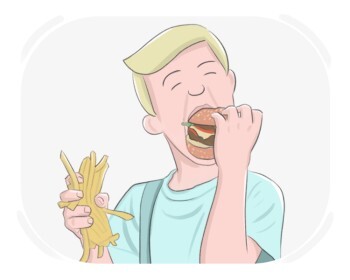
to put food into the mouth, then chew and swallow it
jeść
Lubią jeść pizzę w piątkowe wieczory.
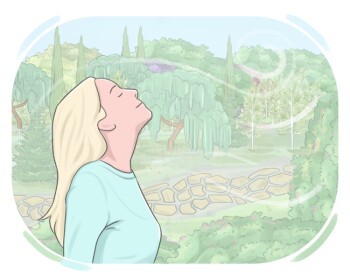
to experience a particular emotion
czuć, doznawać
Po obejrzeniu emocjonalnego filmu, przez godziny czuł smutek.

to make something end
zakończyć, skończyć
Skończyli swoją pracę i poszli do domu.
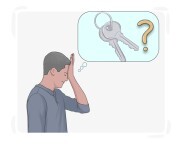
to not be able to remember something or someone from the past
zapominać, nie pamiętać
Próbował przypomnieć sobie swojego przyjaciela z dzieciństwa, ale zapomniał jej imienia.
to hand a thing to a person to look at, use, or keep
dawać, wręczać
Bibliotekarz dał mi książkę do wypożyczenia na moje badania.
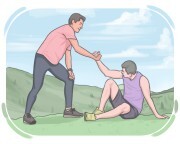
to give someone what they need
pomagać, wspierać
Ona pomogła mu przenieść pudełka na górę.
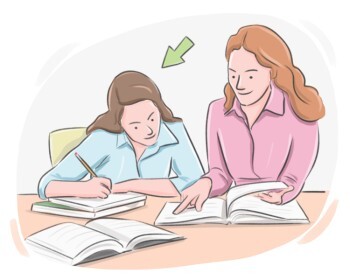
to become knowledgeable or skilled in something by doing it, studying, or being taught
uczyć się, studiować
Nauczył się cennych umiejętności negocjacyjnych, obserwując doświadczonych negocjatorów w akcji.
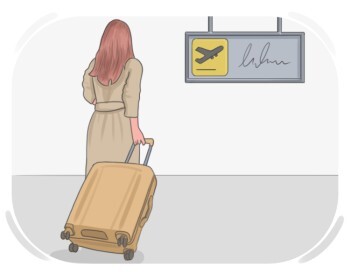
to go away from somewhere
wyjść, opuścić
Ona opuściła swoich przyjaciół na imprezie bez pożegnania.
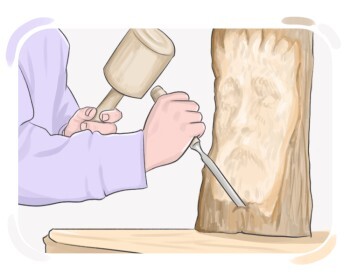
to form, produce, or prepare something, by putting parts together or by combining materials
robić, wytwarzać
Sukienka była wykonana z jedwabiu, ozdobiona misternym haftem.
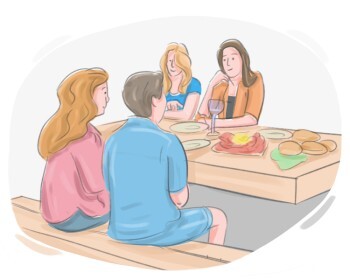
to come together as previously scheduled for social interaction or a prearranged purpose
spotkać się, zebrać się
Spotkamy się w kawiarni na pogawędkę jutro.
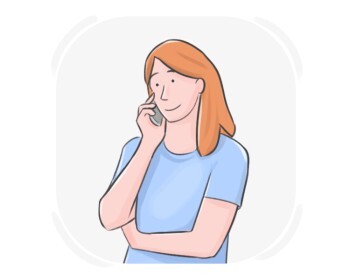
to make a phone call or try to reach someone on the phone
dzwonić, telefonować
Zapomniała zadzwonić do restauracji, aby zarezerwować stolik na ich obiad rocznicowy.
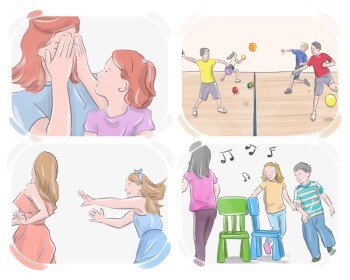
to enjoy yourself and do things for fun, like children
bawić się, grać
Grupa dzieci bawiła się na placu zabaw.
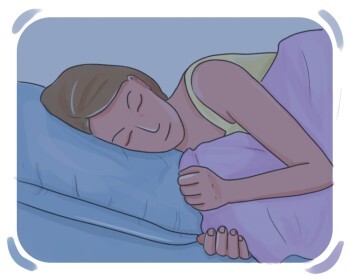
to rest our mind and body, with our eyes closed
spać, odpoczywać
Zwykle śpię na boku, ale niektórzy wolą spać na plecach.
to use words and our voice to show what we are thinking or feeling
mówić, powiedzieć
On mówił, że chce rzucić pracę i podróżować po świecie.

to use one's voice to express a particular feeling or thought
mówić, wyrażać
Mówił o swoich doświadczeniach podczas spotkania.
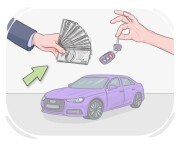
to use money as a payment for services, goods, etc.
wydawać, przeznaczać
Wydała dużo na prezenty dla swojej rodziny podczas sezonu świątecznego.
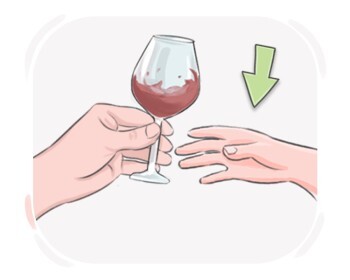
to reach for something and hold it
brać, chwytać
On wziął filiżankę kawy ze stołu i powoli ją sączył.
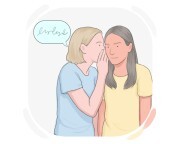
to use words and give someone information
powiedzieć, opowiedzieć
Czy on ci powiedział o nowym projekcie?

to look at a thing or person and pay attention to it for some time
oglądać, obserwować
Usiadł na ławce w parku i oglądał zachód słońca.
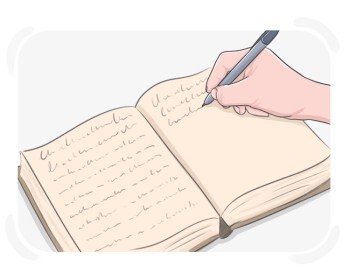
to make letters, words, or numbers on a surface, usually on a piece of paper, with a pen or pencil
pisać
Czy możesz napisać swój adres na tym formularzu?
