
책 Solutions - 기초 - 유닛 9 - 9B

여기에서는 Solutions Elementary 교과서의 9단원 - 9B에서 "잊다", "말하다", "대답하다" 등의 어휘를 찾을 수 있습니다.

review-disable

리뷰

flashcard-disable

플래시카드

spelling-disable

철자법

quiz-disable

퀴즈

학습 시작
책 Solutions - 기초
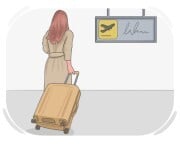
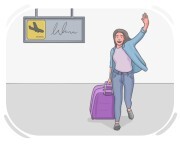
to arrive [동사]
اجرا کردن

도착하다

Ex: The delivery truck is expected to arrive at our doorstep by noon with the package .

배송 트럭이 정오까지 패키지와 함께 우리 집 앞에 도착할 것으로 예상됩니다.
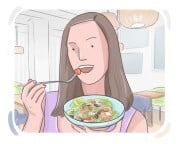
to have [동사]
اجرا کردن

마시다

Ex: Let 's have breakfast together before we start our day .

하루를 시작하기 전에 함께 아침을 먹자.

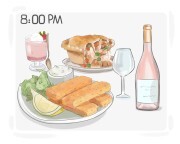
dinner [명사]
اجرا کردن

저녁 식사

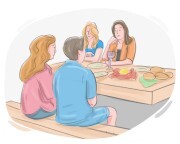
Ex: They grilled hamburgers and hot dogs for a casual summer dinner .

그들은 캐주얼한 여름 저녁 식사를 위해 햄버거와 핫도그를 구웠다.

to try [동사]
اجرا کردن

시도하다

Ex: She tried to bake a cake but it did n't turn out well .

그녀는 케이크를 굽기 위해 노력했지만 잘 되지 않았다.

to put [동사]
اجرا کردن

놓다

Ex: She put the child in the car seat .

그녀는 아이를 차 시트에 놓았습니다.

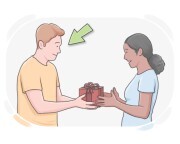
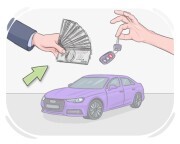
to give [동사]
اجرا کردن

주다

Ex: The tour guide gave visitors a map to explore the historical site .

투어 가이드는 방문객들에게 역사적 장소를 탐험할 수 있는 지도를 주었습니다.

to send [동사]
اجرا کردن

보내다

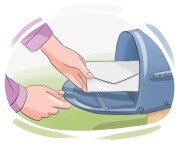
Ex: She decided to send a handwritten letter to her friend who lived overseas .

그녀는 해외에 사는 친구에게 손으로 쓴 편지를 보내기로 결정했다.

to reply [동사]
اجرا کردن

답장하다

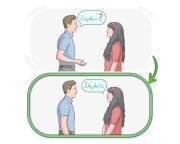
Ex: Please reply to the invitation as soon as possible .

초대에 가능한 한 빨리 답장해 주세요.

to be [동사]
اجرا کردن

이다

Ex: Today is her birthday .

오늘은 그녀의 생일입니다.

to come [동사]
اجرا کردن

오다

Ex:

프로젝트를 발표하기 위해 교실 앞으로 주세요.

to do [동사]
اجرا کردن

하다

Ex: In times of crisis , people often come together to do whatever is necessary .

위기 때 사람들은 종종 필요한 일을 하기 위해 함께 모입니다.

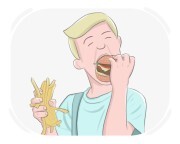
to eat [동사]
اجرا کردن

먹다

Ex: We ate sushi for the first time and loved it .

우리는 처음으로 스시를 먹었고 그것을 좋아했습니다.

to feel [동사]
اجرا کردن

느끼다

Ex:

그녀는 자신의 실수를 깨달았을 때 당황스러움을 느꼈다.

to finish [동사]
اجرا کردن

끝내다

Ex: The team finished the race in first place .

팀이 경주에서 1위로 마쳤다.

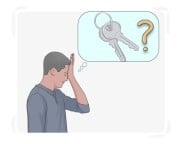
to forget [동사]
اجرا کردن

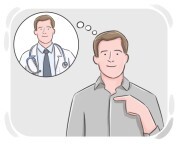
잊다

Ex: She often forgets details about events from her early years .

그녀는 종종 어린 시절의 사건에 대한 세부 사항을 잊어버립니다.

to give [동사]
اجرا کردن

주다

Ex: The tour guide gave visitors a map to explore the historical site .

투어 가이드는 방문객들에게 역사적 장소를 탐험할 수 있는 지도를 주었습니다.

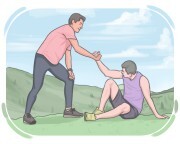
to help [동사]
اجرا کردن

도와주다

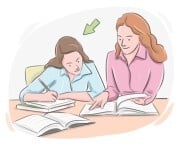
Ex: The teacher helped the student with her homework .

선생님이 학생의 숙제를 도와주셨다.

to learn [동사]
اجرا کردن

배우다

Ex: They are learning about history in their school lessons .

그들은 학교 수업에서 역사에 대해 배우고 있습니다.

to leave [동사]
اجرا کردن

떠나다

Ex: The bus will leave in five minutes , so be quick !

버스가 5분 안에 출발할 테니 서두르세요!

to make [동사]
اجرا کردن

만들다

Ex: By connecting the wires , you make the circuit and allow electricity to flow .

전선을 연결함으로써, 당신은 회로를 만들고 전기가 흐르도록 합니다.

to meet [동사]
اجرا کردن

만나다

Ex: We should meet at the theater before the movie starts .

영화 시작 전에 극장에서 만나야 합니다.

to phone [동사]
اجرا کردن

전화하다

Ex: He decided to phone his parents to share the good news about his promotion .

그는 승진 소식을 공유하기 위해 부모님께 전화하기로 결정했습니다.

to play [동사]
اجرا کردن

놀다

Ex:

그녀는 공원에서 그녀의 개와 놀기를 좋아합니다.

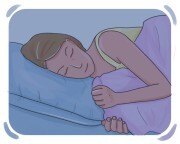
to sleep [동사]
اجرا کردن

잠자다

Ex: I often have vivid dreams when I sleep deeply .

나는 깊이 을 잘 때 종종 생생한 꿈을 꾼다.

to say [동사]
اجرا کردن

말하다

Ex: She said she loved the gift I gave her .

그녀는 내가 그녀에게 준 선물을 사랑한다고 말했다.

to speak [동사]
اجرا کردن

말하다

Ex: She was so nervous she could hardly speak .

그녀는 너무 긴장해서 거의 을 할 수 없었다.

to spend [동사]
اجرا کردن

쓰다

Ex:

그는 그녀가 콘서트 티켓에 얼마를 썼는지 물었다.

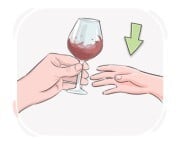
to take [동사]
اجرا کردن

잡다

Ex: May I take your coat and hat , sir ?

선생님, 코트와 모자를 가져도 될까요?

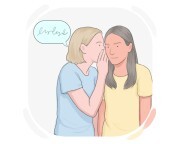
to tell [동사]
اجرا کردن

말하다

Ex: She told her friend about the new restaurant in town .

그녀는 친구에게 마을의 새로운 식당에 대해 말했다.

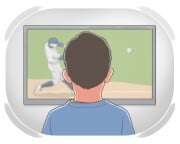
to watch [동사]
اجرا کردن

보다

Ex: The audience eagerly watched the actors on stage during the play .

관객들은 연극 동안 무대 위의 배우들을 열심히 지켜보았습니다.

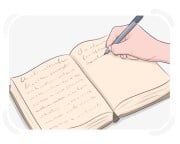
to write [동사]
اجرا کردن

쓰다

Ex: They grabbed a marker to write a message on the whiteboard .

그들은 화이트보드에 메시지를 쓰기 위해 마커를 잡았다.