
pattern

Słownictwo Kluczowych Miejsc Religijnych - Sensō-ji

Przegląd

Fiszki

formy

Pisownia

Test

Zacznij naukę
Key Religious Landmarks Vocabulary
to make
to make
[Czasownik]

(dummy verb) to perform an action that is specified by a noun

robić

robić

Ex: The speaker will make a speech at the conference next week. 
famous
famous
[przymiotnik]

known by a lot of people

sławny, znany

sławny, znany

Ex: The famous actor won numerous awards for his performances in blockbuster movies. 

Słynny aktor zdobył wiele nagród za swoje role w filmach blockbuster.
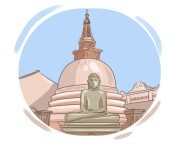
temple
temple
[Rzeczownik]

a building used for religious worship, especially in religions such as Hinduism and Buddhism

świątynia

świątynia

Ex: Monks gathered inside the Buddhist temple for prayer. 
Tokyo
Tokyo
[Rzeczownik]

the capital city of Japan, best known for its advanced technology, fashion, food, and entertainment

Tokio,  stolica Japonii

Tokio, stolica Japonii

japan
japan
[Rzeczownik]

a country that is in East Asia and made up of many islands

Japonia

Japonia

Ex: The country is home to several UNESCO  World Heritage Sites, including Kyoto’s historic temples and shrines. 

Japonia jest domem dla kilku miejsc światowego dziedzictwa UNESCO, w tym historycznych świątyń i sanktuariów w Kioto.
important
important
[przymiotnik]

having a lot of value

ważny, kluczowy

ważny, kluczowy

Ex: Conserving water is important for the sustainable use of natural resources. 

Oszczędzanie wody jest ważne dla zrównoważonego wykorzystania zasobów naturalnych.
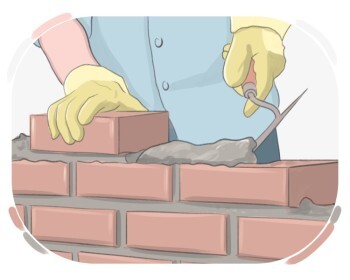
to build
to build
[Czasownik]

to put together different materials such as brick to make a building, etc.

budować, wznosić
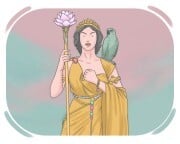
budować, wznosić

Ex: The construction crew is building a new office complex downtown. 
goddess
goddess
[Rzeczownik]

a female divine being worshipped in different religions

bogini, żeńskie bóstwo

bogini, żeńskie bóstwo

Ex: The goddess smiled upon the harvest, ensuring a good crop. 

Bogini uśmiechnęła się do zbiorów, zapewniając dobre plony.

mercy
mercy
[Rzeczownik]

compassion shown toward someone who could be punished, especially by a person or authority responsible for justice

łaska, miłosierdzie
łaska, miłosierdzie

Ex: Showing mercy can restore faith in justice. 
entrance
entrance
[Rzeczownik]

an opening like a door, gate, or passage that we can use to enter a building, room, etc.

wejście, wjazd

wejście, wjazd

Ex: Please wait for me at the entrance of the museum. 
lantern
lantern
[Rzeczownik]

a portable light consisting of a handle and a housing that contains a light source

latarnia, lampa

latarnia, lampa

Ex: They hung a lantern outside the tent. 

Zawiesili latarnię na zewnątrz namiotu.

to hang
to hang
[Czasownik]

to be positioned in a way that the top part is fixed or connected to something, but the bottom part can move freely without touching the ground

wisieć, zawiesić
wisieć, zawiesić

Ex: The old clock hung on the wall, its pendulum swinging back and forth with each passing second. 
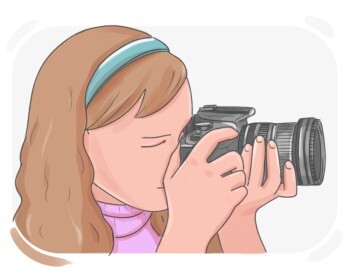
to [take] a picture

to use a device like a camera or cellphone to capture an image of something or someone

Ex: He often took pictures of historical landmarks during his travels. 
hall
hall
[Rzeczownik]

a large room for gatherings or entertainment

sala, duża sala
sala, duża sala

Ex: They rented a hall for the community dinner. 
to pray
to pray
[Czasownik]

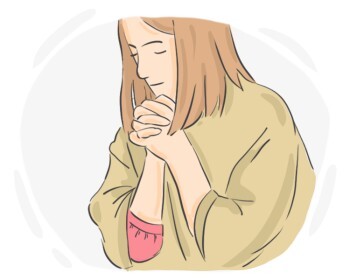
to address God or another deity in worship, thanks, praise, or a request for help
Ex: Daniel was praying quietly when I entered the room. 
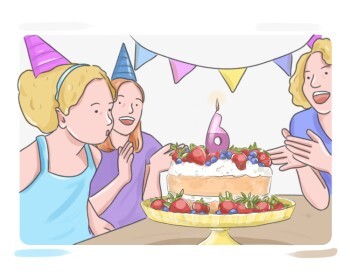
to [make] a wish

to express a desire for something to happen, often done before blowing out candles on a birthday cake
Ex: It's tradition to make a wish when you see a shooting star. 
to light
to light
[Czasownik]

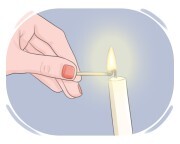
to set something on fire

zapalić, podpalić

zapalić, podpalić

Ex: She lit the candles on the birthday cake with a match. 
stick
stick
[Rzeczownik]

a long, thin object, often resembling a piece of wood, used for pointing, drawing attention, or performing specific actions

kij, laska
kij, laska

Ex: The magician waved a stick to perform his trick. 
to smell
to smell
[Czasownik]

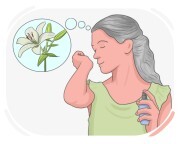
to release a particular scent

pachnieć, wydzielać

pachnieć, wydzielać

Ex: The flowers in the garden smell especially fragrant in the morning. 
offering
offering
[Rzeczownik]

a gift presented to a deity as an act of worship, devotion, or sacrifice

ofiara, dar

ofiara, dar

Ex: Archaeologists discovered ancient offerings near the temple entrance. 
busy
busy
[przymiotnik]

(of a place) full of activity or people

ożywiony, zatłoczony
ożywiony, zatłoczony

Ex: The market was busy with shoppers looking for fresh produce. 
visitor
visitor
[Rzeczownik]

someone who enters a place, such as a building, city, or website, for a particular purpose

odwiedzający, gość
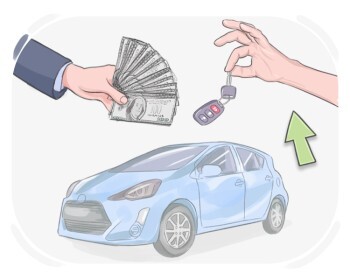
odwiedzający, gość

Ex: The museum welcomed thousands of visitors during the holiday season. 
to sell
to sell
[Czasownik]

to give something to someone in exchange for money

sprzedawać, handlować
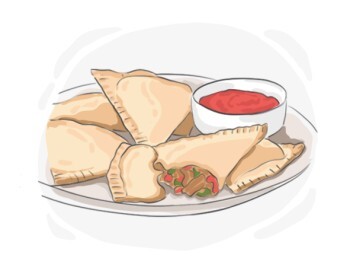
sprzedawać, handlować

Ex: Are you planning to sell your house in the near future? 
snack
snack
[Rzeczownik]

a small meal that is usually eaten between the main meals or when there is not much time for cooking

przekąska, zakąska

przekąska, zakąska

Ex: She often has a snack between breakfast and lunch to stave off hunger. 

Często ma przekąskę między śniadaniem a obiadem, aby powstrzymać głód.
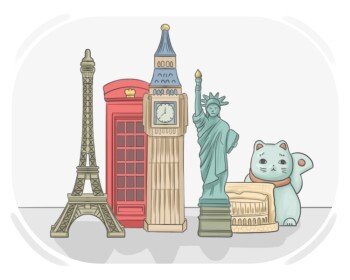
souvenir
souvenir
[Rzeczownik]

something that we usually buy and bring back for other people from a place that we have visited on vacation

pamiątka, suwenir

pamiątka, suwenir

Ex: She bought a keychain souvenir from the gift shop to remember her trip to Paris. 

Kupiła breloczek pamiątkę w sklepie z upominkami, aby pamiętać o swojej podróży do Paryża.

traditional
traditional
[przymiotnik]

rooted in longstanding customs, practices, or beliefs specific to a particular group, family, religion, or culture

tradycyjny, zwyczajowy

tradycyjny, zwyczajowy

Ex: The traditional dance performed at weddings celebrates the couple's union and heritage. 

Tradycyjny taniec wykonywany na weselach celebruje związek i dziedzictwo pary.
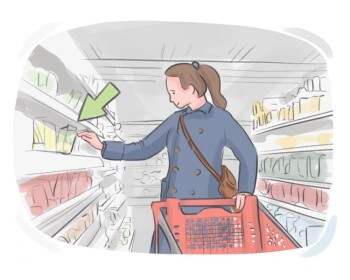
goods
goods
[Rzeczownik]

items made or produced for sale

towary,  produkty

towary, produkty

Ex: Online shopping has made it easier than ever to purchase goods from around the world. 

Zakupy online ułatwiły bardziej niż kiedykolwiek zakup towarów z całego świata.
to enter
to enter
[Czasownik]

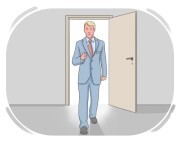
to come or go into a place

wchodzić

wchodzić

Ex: She enters the room with a smile on her face. 
festival
festival
[Rzeczownik]

a series of performances of music, plays, movies, etc. typically taking place in the same location every year

festiwal
festiwal

Ex: Every summer, they travel to a different music festival. 
May
May
[Rzeczownik]

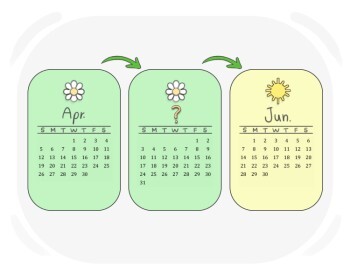
the fifth month of the year, after April and before June

maj
maj

Ex: May Day, celebrated on May 1st, is recognized in many countries as a public holiday, often marked by festivals, parades, and other festivities. 
parade
parade
[Rzeczownik]

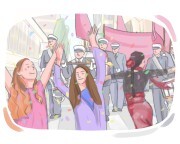
a public procession of people or vehicles held to celebrate or mark an event
Ex: A marching band led the parade through the city center. 
dance
dance
[Rzeczownik]

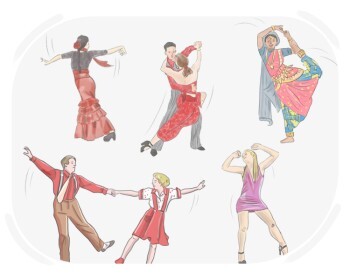
a series of rhythmical movements performed to a particular type of music

taniec
taniec

Ex: Learning a new dance can be challenging but fun. 
to join
to join
[Czasownik]

to become a member of a group, club, organization, etc.

dołączyć, zapisać się
dołączyć, zapisać się

Ex: After moving to a new city, he joined a local sports club. 
to destroy
to destroy
[Czasownik]

to cause damage to something in a way that it no longer exists, works, etc.

niszczyć, zniszczyć

niszczyć, zniszczyć

Ex: Environmental pollution often destroys delicate ecosystems and harms wildlife. 
World War II
World War II
[Rzeczownik]

the war that took place from the year 1939 to 1945 between the axis and the allies

II wojna światowa, Druga wojna światowa

II wojna światowa, Druga wojna światowa

to rebuild
to rebuild
[Czasownik]

to build or put something together again after it has been damaged, destroyed, or taken apart

odbudować,  przebudować

odbudować, przebudować

Ex: Much of the town had been rebuilt after the earthquake. 
to stand
to stand
[Czasownik]

to establish a presence or be located in a specific area

stać, znajdować się
stać, znajdować się

Ex: The bustling market stands near the riverbank, offering a variety of fresh produce and handmade goods. 
peace
peace
[Rzeczownik]

a period or state where there is no war or violence

pokój
pokój

Ex: After years of conflict, the region finally experienced a period of lasting peace and stability. 
hope
hope
[Rzeczownik]

a feeling of expectation and desire for a particular thing to happen or to be true

nadzieja, ułuda

nadzieja, ułuda

Ex: The discovery of a potential treatment gave hope to patients suffering from the disease. 
LanGeek
Pobierz aplikację LanGeek