Vocabular cheie al animalelor sălbatice - Leu
Revizuire
Fișe de studiu
forme
Ortografie
Chestionar

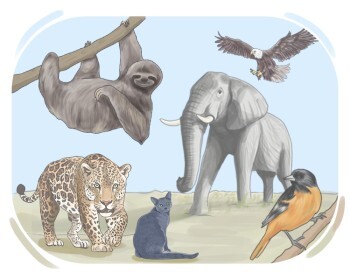
a living thing, like a cat or a dog, that can move and needs food to stay alive, but not a plant or a human

animal, bestie

to have your home somewhere specific
locui, trăi

a vast, untamed area that is free from human habitation, often home to a diverse range of wildlife and plant species
natura sălbatică, ținuturile sălbatice
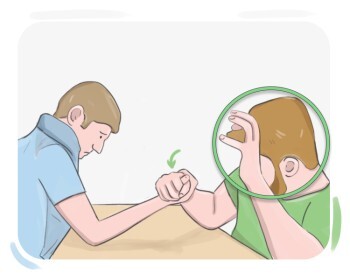
having a lot of physical power
puternic, viguros
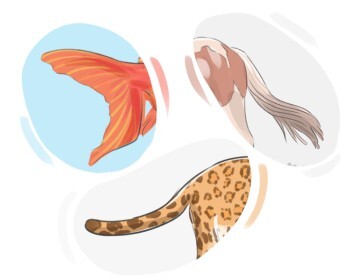
the part of the body of an animal, a bird or a fish that sticks out at the back, which can move
coadă, coada animalului
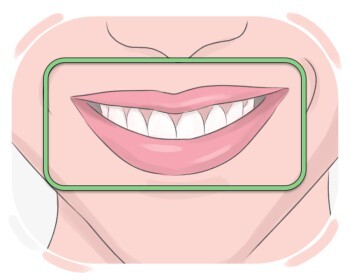
our body part that we use for eating, speaking, and breathing
gură
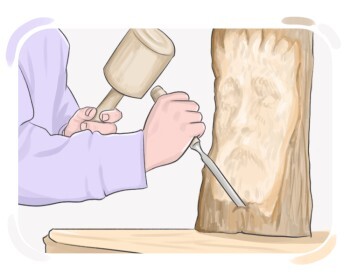
to form, produce, or prepare something, by putting parts together or by combining materials
face, construi
producing or involving a large amount of sound or noise
producing or involving a large amount of sound or noise
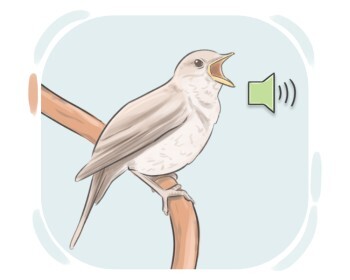
anything that we can hear
sunet, zgomot

to give a name or title to someone or something
numi, denumi
the deep, powerful cry made by a lion or similar wild animal
răget, urlet
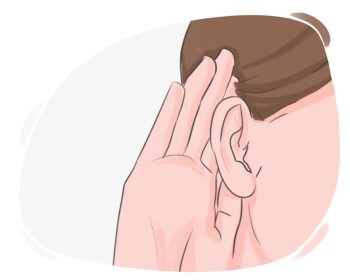
to notice the sound a person or thing is making
auzi, a asculta
at a great distance from a specific place or from where someone is currently located
departe, în depărtare
Satul îndepărtat era departe de cel mai apropiat oraș.
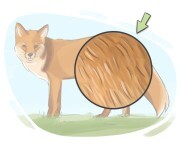
the thick, usually soft hair that covers the bodies of many mammals
blană
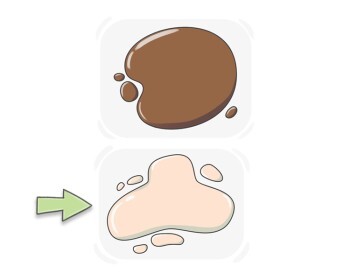
(of color) having less intensity, often because of a small amount of pigment
deschis, palid
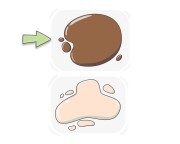
(of a color) having a deep or intense hue
închis, intens
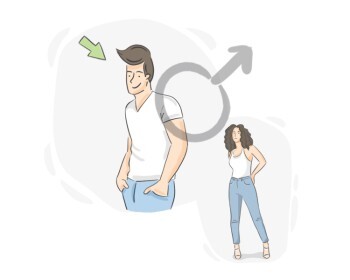
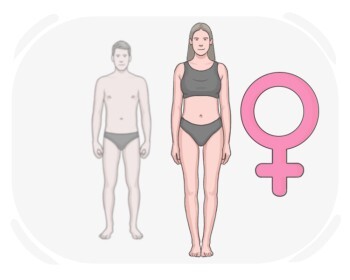
belonging to the sex that cannot give birth to babies or lay eggs but is capable of fertilization of the opposite sex
mascul
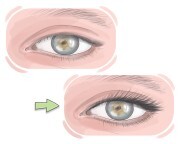
(of hair or fur) grown near together in large numbers or amounts
des, gros
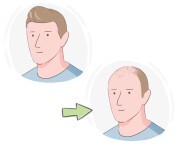
(of hair) lacking thickness or volume
subțire, rărit

having a bright yellow color like the metal gold
auriu, aurit
Părul ei avea o strălucire naturală, ca niște fire de mătase aurie.
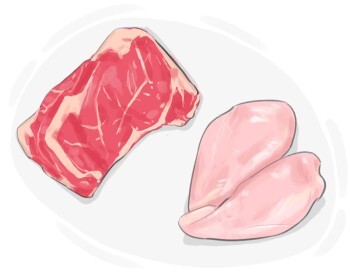
the flesh of animals and birds that we can eat as food
carne, viandă
to pursue and capture or kill other animals as a means of securing food or defending territory
vâna, urmări
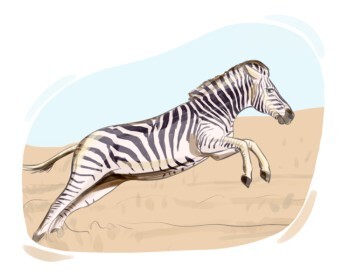
a wild animal that lives in Africa, which is like a horse, with black-and-white stripes on its body
zebră, cal dungat african
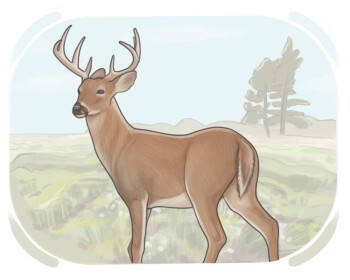
a large, wild animal with long legs which eats grass and can run very fast, typically the males have horns
cerb, căprioară
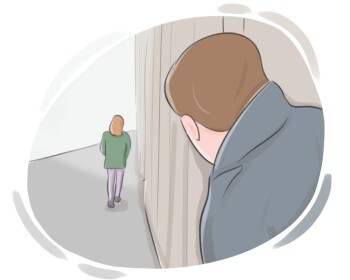
to follow or run after someone or something in order to catch or reach them
a number of things or people that have some sort of connection or are at a place together
grup, ansamblu
a number of lions that live together as a social unit
mândrie, haită de lei

to remain in a particular place
sta, rămâne
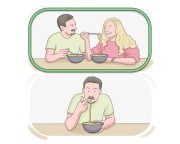
in the company of or in proximity to another person or people
împreună, cu
Am mers împreună pe străzile liniștite.

to push yourself off the ground or away from something and up into the air by using your legs and feet
sări, sălta
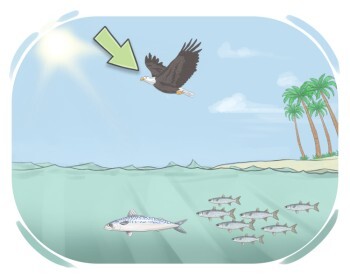
at a great distance or elevation from the ground or a reference point
sus, la înălțime
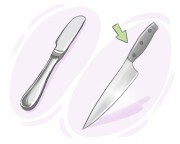
having a point or edge that can pierce or cut something
ascuțit, tăios
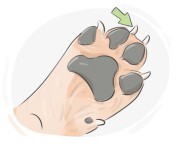
a sharp and curved nail on the toe of an animal or a bird
gheară, ghiont
Pisica și-a întins ghearele ascuțite pentru a se apăra.
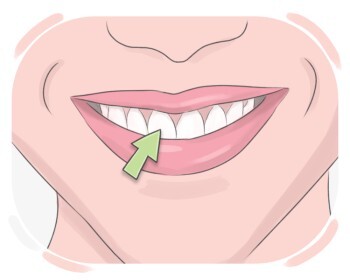
one of the things in our mouth that are hard and white and we use to chew and bite food with
dinte
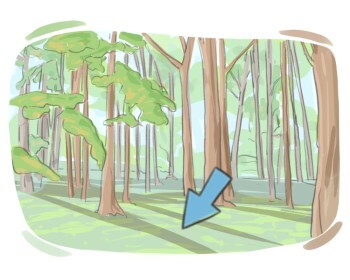
an area of relative darkness and coolness where direct sunlight is blocked
umbră, loc umbrit
used to express that something happens continuously from the beginning to the end of a period of time
în timpul, pe parcursul
Îmi place să ascult muzică în timpul călătoriei mele de dimineață la serviciu.
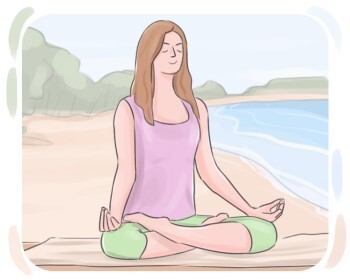
not showing worry, anger, or other strong emotions
calm, senin
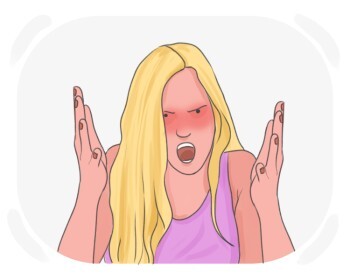
feeling very annoyed because of something that we do not like
supărat,furios, feeling very bad because of something
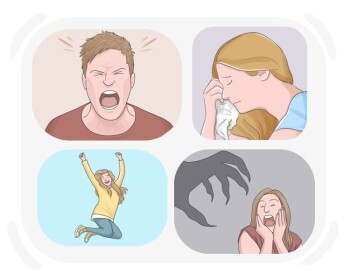
an emotional state or sensation that one experiences such as happiness, guilt, sadness, etc.
sentiment
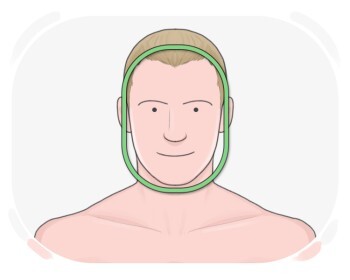
the front part of our head, where our eyes, lips, and nose are located
față, obraz
to put one's body in a flat position in order to sleep or rest
a se întinde pentru a dormi sau a se odihni, a-și pune corpul în poziție orizontală
Mă simt obosit, așa că am să mă întind puțin.
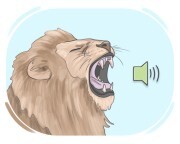
to make the deep, powerful cry characteristic of a lion or similar animal
rage, răcni
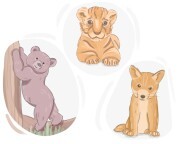
a young carnivorous mammal, such as a bear, lion, fox, etc.
pui, pui de animal