Vocabularul Vehiculelor Nemotorizate - Ricsă
Revizuire
Fișe de studiu
Ortografie
Chestionar


a tricycle (usually propelled by pedalling); used in the Orient for transporting passengers for hire

tricicletă cu pedale, ricșă cu pedale
having three wheels, typically describing vehicles like tricycles, auto rickshaws, or certain motorcycles
cu trei roți, tricicletă
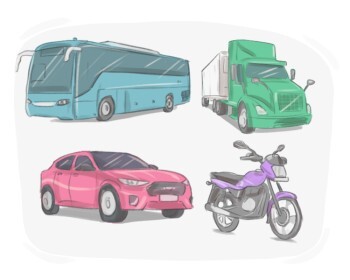
a means of transportation used to carry people or goods from one place to another, typically on roads or tracks
vehicul, autovehicul

to supply with the needed energy to make something work
alimenta, furniza energie
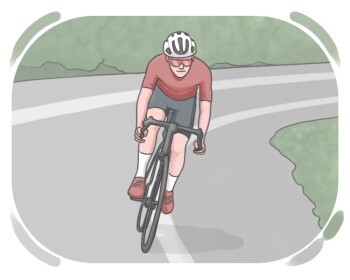
to propel and operate a bicycle or other pedal-powered vehicle
pedala
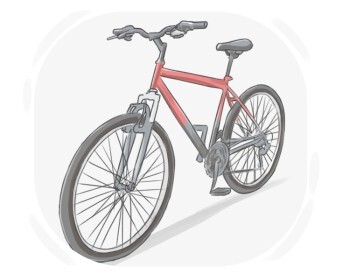
a vehicle with two wheels that we ride by pushing its pedals with our feet
bicicletă, biciclu

someone traveling in a vehicle, aircraft, ship, etc. who is not the pilot, driver, or a crew member
pasager, călător

someone who visits a place or travels to different places for pleasure
turist, vizitator

a specific point or location identified relative to surrounding features in an area or region
loc, punct
a small passenger vehicle pulled by a bicycle, commonly used in densely populated urban areas
ricșă cu bicicletă, bicitaxi

(of a space) filled with things or people
aglomerat, înghesuit
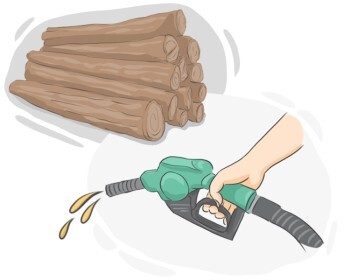
any substance that can produce energy or heat when burned
combustibil, carburant

referring to products, actions, or practices that are designed to cause minimal harm to the environment
prietenos cu mediul, ecologic

to make something happen, usually something bad
cauza, provoca
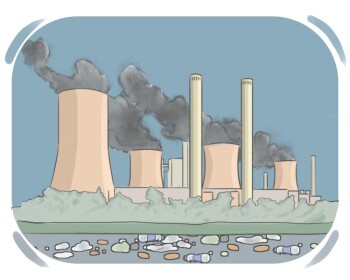
a change in water, air, etc. that makes it harmful or dangerous
poluare, contaminare
someone who visits a place or travels to different places for pleasure
turist, vizitator

to visit places one has never seen before
explora, descoperi
the rate or speed at which something progresses or changes
ritm, viteză
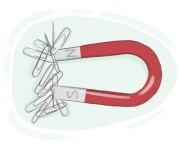
to interest and draw someone or something toward oneself through specific features or qualities
atrage, fascina
used to indicate that despite a certain fact or situation mentioned in the first clause, the second clause follows
deși, cu toate că

frequently found, happening, or seen
comun, frecvent
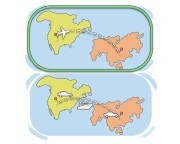
favorable or well-suited for a specific purpose or situation
convenabil, potrivit