
Книга Four Corners 4 - Блок 8 Урок C
Здесь вы найдете словарный запас из Урока 8 Урока C учебника Four Corners 4, такие как "небрежный", "ненужный", "большое дело" и т.д.
Обзор
Флэш-карточки
Правописание
Тест
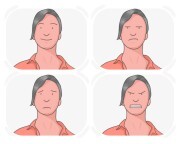
a specific look on someone's face, indicating what they are feeling or thinking

выражение лица
Её глаза расширились от удивления, выражение, которое передавало её шок лучше, чем слова когда-либо могли.
![to [make] a fool (out|) of {oneself}](/assets/img/no-pic-700w.png "to [make] a fool (out|) of {oneself}")
to embarrass oneself through foolish or silly actions, resulting in a loss of dignity or being perceived as ridiculous
себя казаться глупым
to try to do or accomplish something, particularly something difficult
прилагать усилия

an act or opinion that is wrong
ошибка
Признание и признание своих ошибок — это первый шаг к личностному росту.
something of high priority or special importance
важное дело, серьёзный вопрос
Подписание контракта — важное дело для компании.
![to [make] up {one's} mind](https://cdn.langeek.co/photo/72548/thumb/350?type=jpeg "to [make] up {one's} mind")
to come to a final decision or conclusion after considering different options or possibilities
принять решение, определиться
Мне нужно ещё несколько дней, прежде чем принять решение.
to become involved in a problematic or difficult situation, often as a result of one's actions or decisions
Испытываете трудности с кем-то
to emotionally heal and move on from a romantic relationship that has ended
преодолевать
После расставания ей было сложно пережить его.
to escape a responsibility
избавляться
Она не могла избавиться от своего обязательства волонтёра.
![to [get] on {one's} nerves](https://cdn.langeek.co/photo/53138/thumb/350?type=jpeg "to [get] on {one's} nerves")
to make someone really mad by constantly doing something that angers or annoys them
действовать кому-то на нервы, раздражать кого-то
Его постоянный свист реально действует мне на нервы.
![to [get] rid of {sb/sth}](https://cdn.langeek.co/photo/27628/thumb/350?type=jpeg "to [get] rid of {sb/sth}")
to put aside or remove a person or thing in order to no longer have them present or involved
освободиться от, отбросить
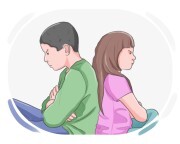
to really not like something or someone
ненавидеть
Можете, пожалуйста, перестать издавать этот шум? Я ненавижу его.
![to [do] {one's} best](https://cdn.langeek.co/photo/43048/thumb/350?type=jpeg "to [do] {one's} best")
to try to do something as well as one is capable of
стараться изо всех сил, делать всё возможное
Я знаю, что тест сложный, но просто постарайся изо всех сил.
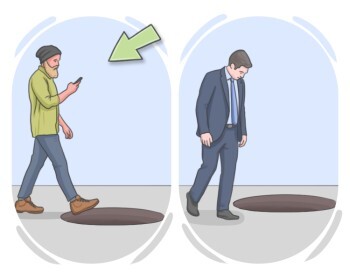
not paying enough attention to what we are doing
неосторожный
Он невнимательный едок и часто проливает еду на свою одежду.
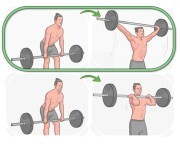
in a way that something is done without much trouble or exertion
легко
Она легко завершила марафон.
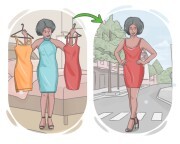
to think carefully about different things and choose one of them
принять решение
Ему пришлось решить, принимать ли предложение о работе.
to conform and adhere to the principles, practices, or guidelines established by someone or something
подчиняться
Она следует веганскому образу жизни, избегая всех продуктов животного происхождения.
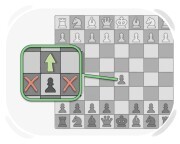
instructions or guidelines that determine how a game or sport is played
правило
Правила шахмат определяют, как движется каждая фигура.
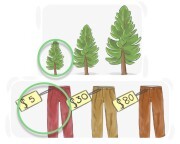
to the lowest extent
наименее, меньше всего
Это наименее дорогой вариант, доступный в магазине.
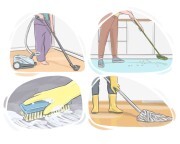
a task, especially a household one, that is done regularly
рутинная работа
Вынос мусора — одна из ежедневных домашних обязанностей, за которые он отвечает.
to wash cups, plates, bowls, etc. particularly after having a meal
мыть посуду
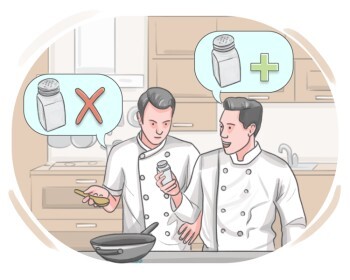
not needed at all or more than what is required
ненужный
Его комментарии во время встречи были ненужными и только затягивали обсуждение.
