pattern

Sociální otázky a identita - Hodnost a Status

Revize

Kartičky

Pravopis

Kvíz

Začněte se učit
Words Related to Social Issues and Identity
aristocracy
aristocracy
[Podstatné jméno]

people in the highest class of society who have a lot of power and wealth and usually high ranks and titles

aristokracie, šlechta

aristokracie, šlechta

Ex: The aristocracy opposed many social reforms that threatened their privileges. 

Aristokracie se postavila proti mnoha sociálním reformám, které ohrožovaly její privilegia.

aristocrat
aristocrat
[Podstatné jméno]

someone who is a member of the aristocracy, which is the highest social rank

aristokrat, šlechtic

aristokrat, šlechtic

Ex: The aristocrat's lineage traced back generations, with a noble ancestry and a sense of duty to uphold family traditions and honor. 

Rodokmen aristokrata sahal generace zpět, se šlechtickým původem a smyslem pro povinnost udržovat rodinné tradice a čest.

baron
baron
[Podstatné jméno]

a nobleman of varying rank in different countries

baron, šlechtic

baron, šlechtic

Ex: The European baron had privileges not granted in Britain. 
baroness
baroness
[Podstatné jméno]

a noblewoman who holds the rank of baron or is married to a baron

baronka, baronová

baronka, baronová

Ex: The title of baroness is passed down or granted by the monarchy. 

Titul baronky je předáván nebo udělován monarchií.
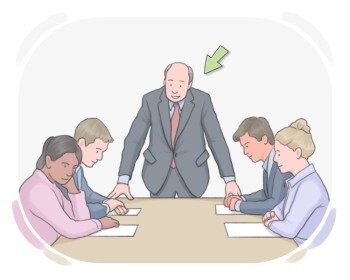
boss
boss
[Podstatné jméno]

a person who is in charge of a large organization or has an important position there

šéf, nadřízený

šéf, nadřízený

Ex: I'll have to check with my boss before I can confirm. 
chief
chief
[Podstatné jméno]

a person who holds the highest position of authority within a group or organization

náčelník, vůdce

náčelník, vůdce

Ex: The chief of the village resolved disputes among the residents. 
class
class
[Podstatné jméno]

a group of people having the same economic or social status in a particular society

třída, sociální vrstva

třída, sociální vrstva

Ex: Many workers belong to the middle class. 
count
count
[Podstatné jméno]

a noble title in European countries, ranking below a marquess and above a viscount

hrabě

hrabě

Ex: The count lived in an impressive castle on the outskirts of the village. 
countess
countess
[Podstatné jméno]

a woman holding the rank of a count or earl

hraběnka, hraběnka

hraběnka, hraběnka

Ex: The countess participated in charitable activities across the region. 

Hraběnka se účastnila charitativních aktivit v celém regionu.

duchess
duchess
[Podstatné jméno]

the title of a woman with the rank of a duke

vévodkyně, titul ženy s hodností vévody

vévodkyně, titul ženy s hodností vévody

Ex: The Duchess presided over charitable events and social gatherings with grace and dignity. 

Vévodkyně předsedala charitativním akcím a společenským setkáním s grácií a důstojností.

Duke
Duke
[Podstatné jméno]

a man of high rank in various European countries, ranking just below a prince and above a count or earl

vévoda, pán

vévoda, pán

Ex: The duke presided over the council of nobles to discuss matters of governance and policy. 
earl
earl
[Podstatné jméno]

a British nobleman whose rank is below a marquess and above a viscount

hrabě

hrabě

Ex: The castle served as the country residence of a wealthy earl. 
emperor
emperor
[Podstatné jméno]

a male ruler of an empire

císař

císař

Ex: The young prince eventually became emperor. 
empress
empress
[Podstatné jméno]

a woman who is the sovereign ruler of an empire, wielding supreme authority

císařovna, císařská vládkyně

císařovna, císařská vládkyně

Ex: The empress's army defended the borders fiercely. 

Armáda císařovny zuřivě bránila hranice.

head
head
[Podstatné jméno]

a person in a leadership or authority position within a specific organization or group

hlava, vedoucí

hlava, vedoucí

Ex: As the head of marketing, she has many responsibilities. 
king
king
[Podstatné jméno]

the male ruler of a territorial unit that has a royal family

král, panovník

král, panovník

Ex: The king ruled over the kingdom with wisdom and compassion. 
knight
knight
[Podstatné jméno]

a man granted a nonhereditary rank of honor by a sovereign or head of state for distinguished service or achievement

rytíř,  nositel rytířského řádu

rytíř, nositel rytířského řádu

Ex: He was proud to become a knight after decades of public service. 
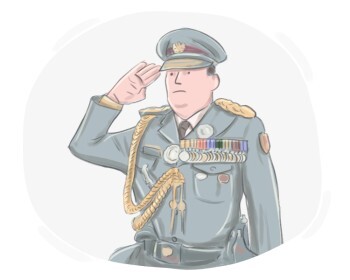
lady
lady
[Podstatné jméno]

a title given to a lord's wife

dáma, paní
dáma, paní

Ex: She was known as the Lady of the manor, overseeing the household with grace and dignity. 
leader
leader
[Podstatné jméno]

a person who leads or commands others

vůdce, vedoucí

vůdce, vedoucí

Ex: The company's leader implemented a new strategy to boost productivity. 
lord
lord
[Podstatné jméno]

a man of high rank who belongs to the nobility

pán, šlechtic

pán, šlechtic

Ex: The lord of the manor welcomed guests to his estate for the annual harvest festival. 

Pán panství přivítal hosty na svém panství na každoroční sklizňové slavnosti.

lower class
lower class
[Podstatné jméno]

the social class consisting of people with the lowest position in society and the least money

nižší třída, dolní třída

nižší třída, dolní třída

Ex: Health services are often less available to the lower class. 

Zdravotnické služby jsou často méně dostupné pro nižší třídu.

middle class
middle class
[Podstatné jméno]

the social class between the upper and lower classes that includes professional and business people

střední třída, buržoazie

střední třída, buržoazie

Ex: Middle-class children usually have access to schooling and healthcare. 

Děti střední třídy obvykle mají přístup ke vzdělání a zdravotní péči.

monarch
monarch
[Podstatné jméno]

a person who has the power to rule over a kingdom or empire, especially someone who inherits this power

panovník, monarcha

panovník, monarcha

Ex: The monarch’s coronation was a grand ceremony attended by dignitaries from around the world. 

Korunovace panovníka byla velkolepá ceremonie, které se zúčastnili hodnostáři z celého světa.

nobility
nobility
[Podstatné jméno]

the class of people with the highest social or political ranks and titles

šlechta, aristokracie

šlechta, aristokracie

Ex: The opulent ball was attended by the nobility, showcasing their wealth and status. 

Okázalý ples navštívila šlechta, která předváděla své bohatství a postavení.

noble
noble
[Přídavné jméno]

belonging to a hereditary social class of high rank

šlechtický,  urozený

šlechtický, urozený

Ex: Members of the noble class traditionally enjoyed privileges unavailable to ordinary citizens. 
president
president
[Podstatné jméno]

the leader of a country that has no king or queen

prezident, hlava státu
prezident, hlava státu

Ex: The president addressed the nation in a televised speech. 
prince
prince
[Podstatné jméno]

a male royal heir or ruler, typically the son of a king or queen

princ, králův syn

princ, králův syn

Ex: The prince celebrated his twenty-first birthday with a grand ball at the palace. 
princess
princess
[Podstatné jméno]

a female member of a royal family, especially a daughter or granddaughter of a king or queen or the wife of a prince

princezna,  kněžna
princezna, kněžna

Ex: The young princess accompanied her parents on the official visit. 
queen
queen
[Podstatné jméno]

the female ruler of a territorial unit that has a royal family

královna

královna

Ex: The queen's coronation was a grand event attended by dignitaries from around the world. 
rank
rank
[Podstatné jméno]

a person's position within a social hierarchy or class

hodnost, postavení

hodnost, postavení

Ex: Nobility held the highest rank in medieval society. 
rich
rich
[Přídavné jméno]

owning a great amount of money or things that cost a lot

bohatý, majetný

bohatý, majetný

Ex: He invested wisely and became incredibly rich. 
senior
senior
[Podstatné jméno]

someone in a higher position of authority, usually in a workplace

nadřízený, senior

nadřízený, senior

Ex: Juniors often work closely with seniors on difficult cases. 
status
status
[Podstatné jméno]

someone or something's professional or social position relative to that of others

status, pozice

status, pozice

Ex: She worked hard to achieve a higher status in her career. 

Pracovala tvrdě, aby dosáhla vyššího postavení ve své kariéře.

sultan
sultan
[Podstatné jméno]

the ruler of a Muslim country, especially in the former Ottoman Empire

sultán, vládce

sultán, vládce

Ex: Many stories and legends feature a wise sultan. 

Mnoho příběhů a legend zobrazuje moudrého sultána.

superior
superior
[Podstatné jméno]

a person who is higher than another in rank, status, authority, ability, or quality

nadřízený,  představený

nadřízený, představený

Ex: He regarded the older player as his superior in both skill and discipline. 
upper class
upper class
[Podstatné jméno]

a social group made up of people who hold the highest social position and are usually quite wealthy

vyšší třída, vyšší společnost

vyšší třída, vyšší společnost

Ex: The upper class often owns large estates and businesses. 

Vyšší třída často vlastní velké statky a podniky.

working class
working class
[Podstatné jméno]

the social and economic class consisting mainly of people who earn wages, especially through manual, industrial, or service work

dělnická třída, pracující třída

dělnická třída, pracující třída

Ex: Her research examines how the working class has changed over several generations. 
LanGeek
Stáhnout aplikaci LanGeek