
Problemas Sociales e Identidad - Rango y Estatus
Revisión
Tarjetas de memoria
Ortografía
Cuestionario


people in the highest class of society who have a lot of power and wealth and usually high ranks and titles

aristocracia
La aristocracia solía vivir en grandes fincas y mansiones.

someone who is a member of the aristocracy, which is the highest social rank
aristócrata
La extensa finca del aristócrata estaba adornada con muebles ornamentados, valiosas colecciones de arte y jardines meticulosamente paisajizados.
a nobleman of varying rank in different countries
barón
a noblewoman who holds the rank of baron or is married to a baron
baronesa, dama baronesa
Se casó con una baronesa de una familia prominente.
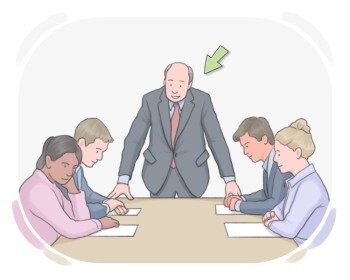
a person who is in charge of a large organization or has an important position there
jefe
a person who holds the highest position of authority within a group or organization
jefe, líder
a group of people having the same economic or social status in a particular society
clase

a noble title in European countries, ranking below a marquess and above a viscount
conde

a woman holding the rank of a count or earl
condesa
La condesa administraba sus fincas con habilidad y autoridad.

the title of a woman with the rank of a duke
duquesa
El exquisito gusto de la duquesa en moda y decoración estableció el estándar de elegancia en la corte real.

a man of high rank in various European countries, ranking just below a prince and above a count or earl
duque
a British nobleman whose rank is below a marquess and above a viscount
conde
a woman who is the sovereign ruler of an empire, wielding supreme authority
emperatriz, soberana imperial
La emperatriz llevaba una corona adornada con diamantes raros.
a person in a leadership or authority position within a specific organization or group
jefe

the male ruler of a territorial unit that has a royal family
rey
a man granted a nonhereditary rank of honor by a sovereign or head of state for distinguished service or achievement
caballero, caballero de la orden

a title given to a lord's wife
lady
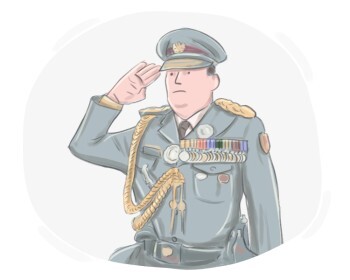
a person who leads or commands others
líder

a man of high rank who belongs to the nobility
lord
En la Edad Media, los señores controlaban vastas propiedades y tenían autoridad sobre los campesinos que vivían en sus tierras.
the social class consisting of people with the lowest position in society and the least money
clase baja
El acceso a la educación es limitado para algunos en la clase baja.
the social class between the upper and lower classes that includes professional and business people
clase media
La economía afecta el estilo de vida de la clase media.
a person who has the power to rule over a kingdom or empire, especially someone who inherits this power
monarca
Ella estudió la historia de los monarcas que gobernaron durante el período medieval para su proyecto de investigación.

the class of people with the highest social or political ranks and titles
nobleza
La nobleza a menudo ejercía una influencia significativa sobre los asuntos políticos y sociales en la Europa medieval.

belonging to a hereditary social class of high rank
noble
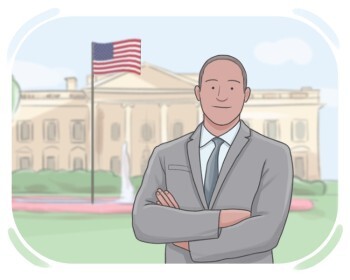
the leader of a country that has no king or queen
presidente

a male royal heir or ruler, typically the son of a king or queen
príncipe

a female member of a royal family, especially a daughter or granddaughter of a king or queen or the wife of a prince
princesa
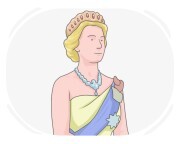
the female ruler of a territorial unit that has a royal family
reina
a person's position within a social hierarchy or class
rango, nivel

owning a great amount of money or things that cost a lot
rico, adinerado
someone in a higher position of authority, usually in a workplace
superior, directivo
someone or something's professional or social position relative to that of others
posición social
El ascenso elevó su estatus dentro de la empresa.
the ruler of a Muslim country, especially in the former Ottoman Empire
sultán, soberano
Estudió el reinado del último sultán del Imperio otomano.
a person who is higher than another in rank, status, authority, ability, or quality
superior, jefe
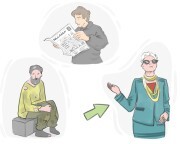
a social group made up of people who hold the highest social position and are usually quite wealthy
clase alta
El estilo de vida de la clase alta es diferente de otros grupos sociales.

the social and economic class consisting mainly of people who earn wages, especially through manual, industrial, or service work
clase trabajadora, clase obrera
| Problemas Sociales e Identidad | |||
|---|---|---|---|
| Pertenecer a la sociedad | Género y sexualidad | Carrera | Rango y Estatus |
| Drogas | Ayudar a los demás | Migración | Pobreza y hambruna |
| Protesta y desempleo | Justicia social | ||
