
pattern

Válka a konflikt - Vojenské a síly

Revize

Kartičky

Pravopis

Kvíz

Začněte se učit
Words Related to War and Conflict
base
base
[Podstatné jméno]

a place with buildings and facilities for military operations and activities

základna, vojenská základna
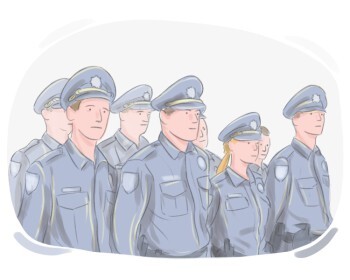
základna, vojenská základna

Ex: The soldiers returned to the base after training. 
force
force
[Podstatné jméno]

a group of trained and organized people such as the police, soldiers, etc.

síla

síla

Ex: The police force worked tirelessly to maintain law and order during the city-wide protests. 
guard
guard
[Podstatné jméno]

a group of soldiers assigned to protect a place or person

stráž, hlídka

stráž, hlídka

Ex: The presidential guard remained alert throughout the ceremony. 
hostile
hostile
[Přídavné jméno]

belonging to or associated with an enemy in a conflict or war

nepřátelský,  nepřítelův

nepřátelský, nepřítelův

Ex: The unit came under fire from hostile positions across the valley. 
hostilities
hostilities
[Podstatné jméno]

acts of open fighting between opposing forces

nepřátelství, boje

nepřátelství, boje

Ex: The ceasefire temporarily reduced hostilities, but tensions remained high. 

Příměří dočasně snížilo nepřátelství, ale napětí zůstalo vysoké.

military
military
[Podstatné jméno]

the armed forces of a country

armáda, ozbrojené síly

armáda, ozbrojené síly

Ex: The military conducted a series of training exercises. 
nuclear
nuclear
[Přídavné jméno]

describing weapons that are powered by the energy produced either from nuclear fission or a combination of fusion and fission reactions

jaderný, atomový

jaderný, atomový

Ex: Nuclear disarmament is a key goal for many international organizations. 

Jaderné odzbrojení je klíčovým cílem mnoha mezinárodních organizací.

spy balloon
spy balloon
[Podstatné jméno]

a high-altitude balloon used to gather secret information

špionážní balón, průzkumný balón

špionážní balón, průzkumný balón

Ex: The US military shot down a suspected spy balloon after determining it posed a security risk. 

Americká armáda sestřelila podezřelý špionážní balón poté, co zjistila, že představuje bezpečnostní riziko.

squad
squad
[Podstatné jméno]

a small organized group of soldiers forming a military unit

družstvo,  skupina

družstvo, skupina

Ex: The soldiers in the squad trained together every morning. 
cover
cover
[Podstatné jméno]

suppressive fire aimed to hinder the enemy's ability to attack your forces

krytí, ochrana

krytí, ochrana

Ex: The soldiers provided cover to allow their comrades to advance safely. 
curfew
curfew
[Podstatné jméno]

an order or law that prohibits people from going outside after a specific time, particularly at night

zákaz vycházení, noční klid

zákaz vycházení, noční klid

Ex: The soldiers patrolled the city to enforce the curfew, checking IDs and ensuring no one was out after hours. 

Vojáci hlídkovali ve městě, aby vynutili zákaz vycházení, kontrolovali totožnost a ujišťovali se, že nikdo není venku po stanovené hodině.

defense
defense
[Podstatné jméno]

the measures and actions a country takes to protect itself from military attack or threats

obrana, ochrana
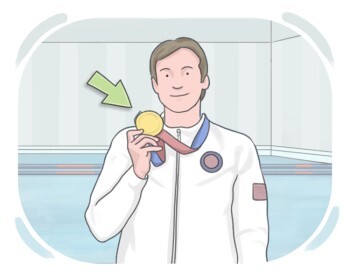
obrana, ochrana

Ex: Cybersecurity is now a crucial aspect of national defense. 
medal
medal
[Podstatné jméno]

a small metal object awarded for bravery, achievement, service, or success in a competition

medaile,  vyznamenání

medaile, vyznamenání

Ex: The president presented medals to several people for outstanding public service. 
neutral
neutral
[Přídavné jméno]

not supporting or favoring either side in a conflict, dispute, competition, or disagreement

neutrální,  nezaujatý

neutrální, nezaujatý

Ex: Daniel refused to take sides and remained neutral. 
neutrality
neutrality
[Podstatné jméno]

the state of not taking sides in a conflict or war

neutralita, nestrannost

neutralita, nestrannost

Ex: The leader emphasized the importance of neutrality in international relations. 

Vůdce zdůraznil důležitost neutrality v mezinárodních vztazích.

conqueror
conqueror
[Podstatné jméno]

someone who forcibly takes control of a city or country and its citizens

dobyvatel

dobyvatel

Ex: Genghis Khan, a renowned conqueror, expanded the Mongol Empire across vast regions of Asia and Europe. 

Čingischán, slavný dobyvatel, rozšířil Mongolskou říši přes rozsáhlé oblasti Asie a Evropy.
enemy
enemy
[Podstatné jméno]

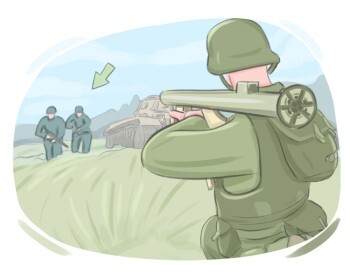
a country or its forces that one is fighting against in a war

nepřítel, protivník

nepřítel, protivník

Ex: The country faced attacks from enemy forces. 
invader
invader
[Podstatné jméno]

a person or group that enters a place by force to take control

útočník, okupant

útočník, okupant

Ex: The army repelled the invader after a fierce battle. 

Armáda odrazila útočníka po zuřivé bitvě.

occupation
occupation
[Podstatné jméno]

the act of invading and controlling a country, city, etc.

okupace

okupace

Ex: The country's occupation by foreign forces lasted for several years, leading to significant political and social upheaval. 
occupied
occupied
[Přídavné jméno]

(of a city, country, etc.) captured and under the control, authority, or presence of foreign military forces or other entities

okupovaný, pod okupací

okupovaný, pod okupací

Ex: The city remained occupied by enemy troops for several years during the war. 

Město zůstalo okupováno nepřátelskými vojsky po několik let během války.

occupier
occupier
[Podstatné jméno]

a soldier or group living in a foreign country that has been taken by force

okupant, okupační síly

okupant, okupační síly

Ex: The occupiers remained until a peace agreement was signed. 

Okupanti zůstali až do podpisu mírové dohody.

officer
officer
[Podstatné jméno]

a member of the military who holds a position of authority over others

důstojník, vojenský důstojník

důstojník, vojenský důstojník

Ex: The officer gave orders to the soldiers. 
spy
spy
[Podstatné jméno]

a person who secretly collects information about another country, organization, or group, especially for a government

špion,  agent
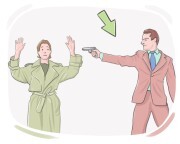
špion, agent

Ex: Daniel suspected that a spy had entered the organization. 
armed
armed
[Přídavné jméno]

equipped with weapons or firearms

ozbrojený, vybavený zbraněmi

ozbrojený, vybavený zbraněmi

Ex: The SWAT team arrived at the scene armed with tactical gear and assault rifles, prepared for a high-risk operation. 

Tým SWAT dorazil na místo vyzbrojen taktickou výstrojí a útočnými puškami, připraven na vysoce rizikovou operaci.

civilian
civilian
[Podstatné jméno]

a person who is not a member of the armed forces

civilista, civilní osoba

civilista, civilní osoba

Ex: The road was closed to civilians during the military exercise. 
damage
damage
[Podstatné jméno]

loss or destruction of military equipment

poškození, zničení

poškození, zničení

Ex: The battle resulted in significant damage to the army's tanks. 
casualty
casualty
[Podstatné jméno]

a person who is injured or killed in a serious accident or disaster

zraněný,  oběť
zraněný, oběť

Ex: Rescue teams carried the casualties away from the crash site. 
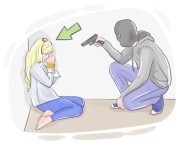
hostage
hostage
[Podstatné jméno]

someone held prisoner by a person or group who will be set free if the demands of that person or group are met

rukojmí, vězeň

rukojmí, vězeň

Ex: After hours of negotiation, the police successfully freed the hostage and apprehended the criminals. 

Po hodinách vyjednávání policie úspěšně osvobodila rukojmí a zadržela zločince.
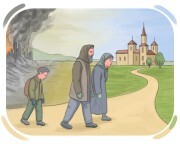
refugee
refugee
[Podstatné jméno]

a person forced to leave their country or home to escape war, persecution, or serious danger

uprchlík,  běženec

uprchlík, běženec

Ex: The organization helps refugees find housing, education, and employment. 
rescue
rescue
[Podstatné jméno]

the action or process of saving someone or something

záchrana, vysvobození
záchrana, vysvobození

Ex: The rescue of the trapped miners took several days and involved complex operations. 
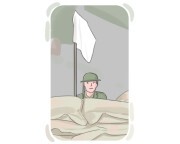
surrender
surrender
[Podstatné jméno]

the act of stopping resistance and accepting defeat

kapitulace,  vzdání se

kapitulace, vzdání se

Ex: The document set out the terms of surrender. 
LanGeek
Stáhnout aplikaci LanGeek