


a place with buildings and facilities for military operations and activities

bază, bază militară
Soldații s-au întors la bază după antrenament.
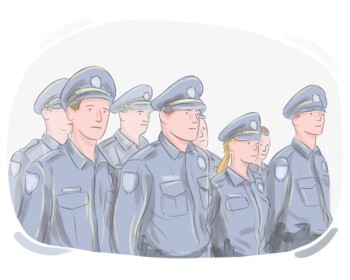
a group of trained and organized people such as the police, soldiers, etc.
forță
Forța de poliție a lucrat neobosit pentru a menține legea și ordinea în timpul protestelor la nivelul întregului oraș.
a group of soldiers assigned to protect a place or person
gardă, sentinelă
Garda stătea la poartă.
belonging to a foreign or opposing country
inamic, ostil
Forțe ostile au înaintat peste graniță.
acts of open fighting between opposing forces
ostilități, lupte
Cele două părți au convenit să înceteze ostilitățile.

the armed forces of a country
armata, forțele armate
S-a înrolat în armată imediat după liceu.
describing weapons that are powered by the energy produced either from nuclear fission or a combination of fusion and fission reactions
nuclear, atomic
Țara a testat o nouă bombă nucleară care a cauzat preocupare globală.
a high-altitude balloon used to gather secret information
balon de spionaj, balon de recunoaștere
Armata a detectat un balon de spionaj pe cer.
the smallest organized group of soldiers in the military
echipă, grupă
Grupul s-a mișcat în tăcere prin pădure.
suppressive fire aimed to hinder the enemy's ability to attack your forces
acoperire, protecție
Soldații au oferit acoperire pentru a le permite camarazilor lor să înainteze în siguranță.
an order or law that prohibits people from going outside after a specific time, particularly at night
stare de alertă, interzicerea circulației
Guvernul a impus un stare de alertă strictă, cerând ca toată lumea să fie înăuntru până la ora 21:00 pentru a menține siguranța publică.

the measures and actions a country takes to protect itself from military attack or threats
apărare, protecție
Sistemele de apărare antiaeriană au interceptat rachetele care se apropiau.
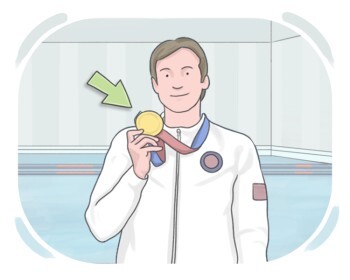
a flat piece of metal, typically of the size and shape of a large coin, given to the winner of a competition or to someone who has done an act of bravery in war, etc.
medalie, decorație
A câștigat o medalie de aur în competiția de înot.

not favoring either side in a conflict, competition, debate, etc.
neutru, imparțial
Este important să păstrezi un ton neutru atunci când discuți subiecte sensibile.
the state of not taking sides in a conflict or war
neutralitate, imparțialitate
Țara și-a declarat neutralitatea în timpul conflictului.
someone who forcibly takes control of a city or country and its citizens
cuceritor
Alexandru cel Mare este amintit ca un legendar cuceritor care a creat unul dintre cele mai mari imperii din istorie.
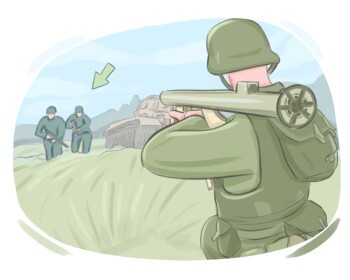
a country or its forces that one is fighting against in a war
inamic, adversar
În timp de război, soldații sunt instruiți să identifice și să neutralizeze inamicul pe câmpul de luptă.
a person or group that enters a place by force to take control
invadator, ocupant
Invadatorul a trecut granița noaptea.
the act of invading and controlling a country, city, etc.
ocupatie
Ocupația țării de către forțe străine a durat câțiva ani, ducând la tulburări politice și sociale semnificative.

(of a city, country, etc.) captured and under the control, authority, or presence of foreign military forces or other entities
ocupat, sub ocupație
Teritoriul ocupat se confrunta zilnic cu provocări din cauza restricțiilor impuse de forțele de ocupație.
a soldier or group living in a foreign country that has been taken by force
ocupant, forțe de ocupație
Ocupanții au controlat orașul după invazie.

a member of the military who holds a position of authority over others
ofițer, ofițer militar
Ofițerul a dat ordine soldaților.

someone who is employed by a government to obtain secret information on another person, country, company, etc.
spion, agent secret
Misiunea spionului era să descopere secrete care ar putea influența relațiile internaționale.
equipped with weapons or firearms
înarmat, echipat cu arme
Soldații înarmați stăteau de pază la intrarea în baza militară.
a person who is not a member of or not on active duty in armed forces or the police
civil, persoană civilă
Soldații au ajutat civilii să evacueze zona în siguranță.
loss or destruction of military equipment
avarie, distrugere
Bătălia a dus la avarii semnificative ale tancurilor armatei.
someone who is killed or wounded during a war or an accident
victimă, rănit
Cutremurul recent a avut ca rezultat un număr tragic de victime de peste 500 de persoane, lăsând familii devastate în întreaga regiune.
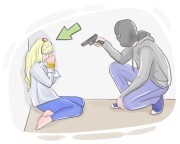
someone held prisoner by a person or group who will be set free if the demands of that person or group are met
ostag, prizonier
Răpitorii au luat mai mulți angajați ostagii în timpul jafului bancar, cerând o răscumpărare pentru eliberarea lor.
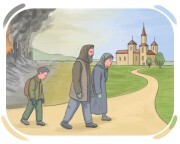
a person who is forced to leave their own country because of war, natural disaster, etc.
refugiat, strămutat
Tabăra de refugiați oferea adăpost și necesități de bază familiilor strămutate.
the action or process of saving someone or something
salvare, eliberare
Salvarea minerilor prinși în capcană a durat câteva zile și a implicat operațiuni complexe.
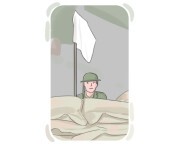
the act of yielding, giving up, or submitting to an opponent, authority, or circumstance
capitulare, predare
Confruntat cu șanse copleșitoare, generalul a ordonat o capitulare strategică pentru a evita pierderi suplimentare.
| Război și Conflict | |||
|---|---|---|---|
| Menținerea păcii | Terorism | Forțele Aeriene și Marina | Forțe armate |
| Armată | Arme | Acțiuni de război | Bătălii și operațiuni |
| Militar și Forțe | |||
