

pattern

Klíčová slovní zásoba s přáteli - Omluva příteli

Revize

Kartičky

tvary

Pravopis

Kvíz

Začněte se učit
Key Vocabulary When With Friends
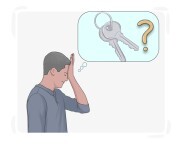
to forget
to forget
[sloveso]

to not be able to remember something or someone from the past

zapomenout, nepamatovat si
zapomenout, nepamatovat si

Ex: He will never forget the kindness you showed him .

Nikdy nezapomene na laskavost, kterou jste mu prokázali.

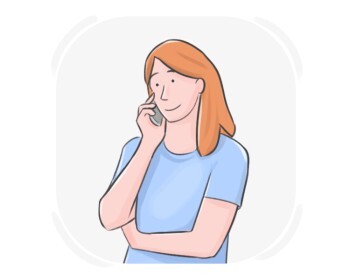
to call
to call
[sloveso]

to telephone a place or person

volat, zatelefonovat
volat, zatelefonovat

Ex: Where were you when I called you earlier ?

Kde jsi byl, když jsem ti předtím volal?

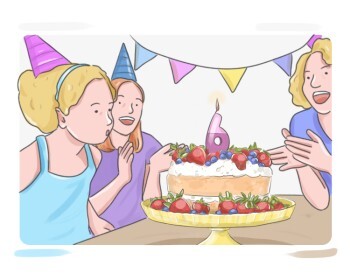
birthday
birthday
[Podstatné jméno]

the day and month of your birth in every year

narozeniny
narozeniny

Ex: Today is my birthday, and I 'm celebrating with my family .

Dnes jsou moje narozeniny, a slavím je s rodinou.

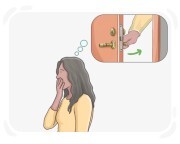
to remember
to remember
[sloveso]

to bring a type of information from the past to our mind again

pamatovat si, vzpomenout si
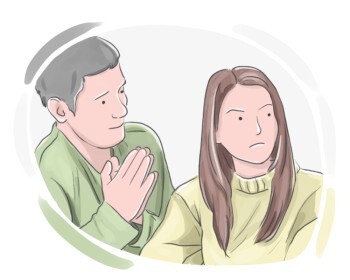
pamatovat si, vzpomenout si

Ex: We remember our childhood memories fondly .

S láskou vzpomínáme na naše dětské vzpomínky.

sorry
sorry
[Přídavné jméno]

feeling ashamed or apologetic about something that one has or has not done

líto, kající

líto, kající

Ex: The teacher seemed sorry when she realized the assignment was unclear .

Učitelka vypadala omlouvavě, když si uvědomila, že úkol nebyl jasný.

to know
to know
[sloveso]

to be completely certain about something

vědět, být si jistý

vědět, být si jistý

Ex: She knew something was wrong when she saw the empty cookie jar .

Věděla, že něco není v pořádku, když viděla prázdnou sklenici na sušenky.

special
special
[Přídavné jméno]

different or better than what is normal

zvláštní, speciální
zvláštní, speciální

Ex: The special occasion called for a celebration with family and friends .

Zvláštní příležitost vyžadovala oslavu s rodinou a přáteli.

to pick up
to pick up
[sloveso]

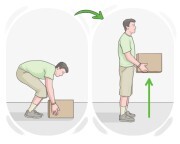
to take and lift something or someone up

zvednout, sebrat

zvednout, sebrat

Ex: The police officer picks up the evidence with a gloved hand .

Policista zvedne důkazy rukou v rukavici.

phone
phone
[Podstatné jméno]

an electronic device used to talk to a person who is at a different location

telefon, mobilní telefon
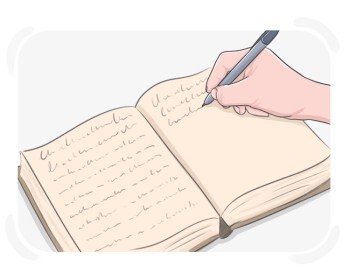
telefon, mobilní telefon

Ex: Before the advent of smartphones , landline phones were more common .

Před příchodem chytrých telefonů byly pevné telefony běžnější.

to write
to write
[sloveso]

to make letters, words, or numbers on a surface, usually on a piece of paper, with a pen or pencil

psát
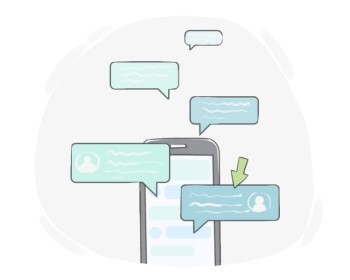
psát

Ex: Can you write a note for the delivery person ?

Můžete napsat vzkaz pro doručovatele?

message
message
[Podstatné jméno]

a written or spoken piece of information or communication sent to or left for another person

zpráva, sdělení
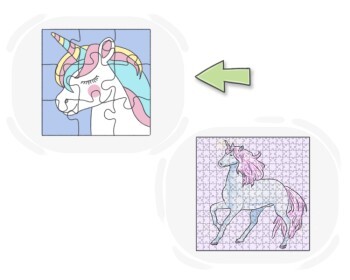
zpráva, sdělení

Ex: The email contained an important business message.

E-mail obsahoval důležitou obchodní zprávu.

simple
simple
[Přídavné jméno]

not involving difficulty in doing or understanding

jednoduchý, snadný

jednoduchý, snadný

Ex: The instructions were simple to follow , with clear steps outlined .

Pokyny byly jednoduché k následování, s jasnými kroky nastíněnými.

to hope
to hope
[sloveso]

to want something to happen or be true

doufat, přát si
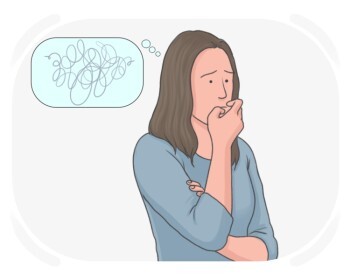
doufat, přát si

Ex: The team is practicing diligently , hoping to win the championship .

Tým pilně trénuje, doufaje, že vyhraje mistrovství.

nervous
nervous
[Přídavné jméno]

worried and anxious about something or slightly afraid of it

nervózní, úzkostlivý

nervózní, úzkostlivý

Ex: He felt nervous before his big presentation at work .

Před svou velkou prezentací v práci se cítil nervózní.

to understand
to understand
[sloveso]

to comprehend the significance of or the logic or reason behind something

rozumět, chápat

rozumět, chápat

Ex: When you see the evidence , it 's easy to understand why they reached that conclusion .

Když vidíte důkazy, je snadné pochopit, proč dospěli k tomuto závěru.

to reply
to reply
[sloveso]

to respond or react to a post, comment, or message, typically by providing a direct response or engaging in a conversation related to the original content

odpovědět
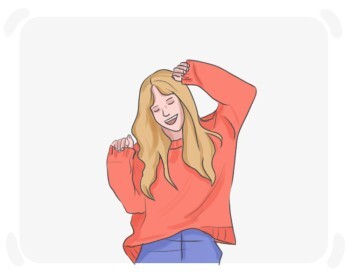
odpovědět

Ex: She replied to the LinkedIn message , expressing interest in the job opportunity mentioned .

Ona odpověděla na zprávu na LinkedIn, vyjádřila zájem o zmíněnou pracovní příležitost.

glad
glad
[Přídavné jméno]

pleased about something

rád, potěšený
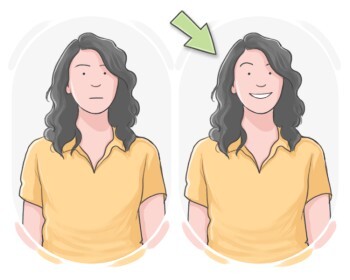
rád, potěšený

Ex: He was glad to finally see his family after being away for so long .

Byl rád, že konečně vidí svou rodinu po tak dlouhé době.

to smile
to smile
[sloveso]

to make our mouth curve upwards, often in a way that our teeth can be seen, to show that we are happy or amused

usmívat se
usmívat se

Ex: As they shared a joke , both friends could n't help but smile.

Když si sdíleli vtip, oba přátelé se nemohli ubránit úsměvu.

to decide
to decide
[sloveso]

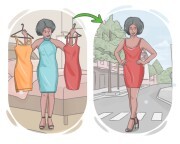
to think carefully about different things and choose one of them

rozhodnout se, rozhodovat se
rozhodnout se, rozhodovat se

Ex: I could n't decide between pizza or pasta , so I ordered both .

Nemohl jsem se rozhodnout mezi pizzou nebo těstovinami, tak jsem si objednal obojí.

evening
evening
[Podstatné jméno]

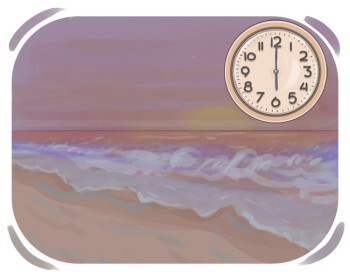
the time of day that is between the time that the sun starts to set and when the sky becomes completely dark

večer, podvečer
večer, podvečer

Ex: We enjoyed a peaceful walk in the park during the evening.

Užili jsme si klidnou procházku v parku večer.

to laugh
to laugh
[sloveso]

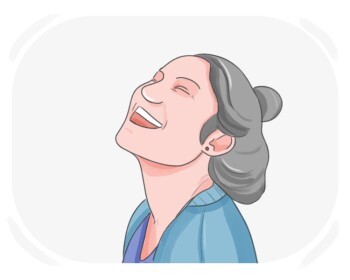
to make happy sounds and move our face like we are smiling because something is funny

smát se, rozchechtat se
smát se, rozchechtat se

Ex: Their playful teasing made her laugh in delight.

Jejich hravé škádlení ji rozesmálo radostí.

to celebrate
to celebrate
[sloveso]

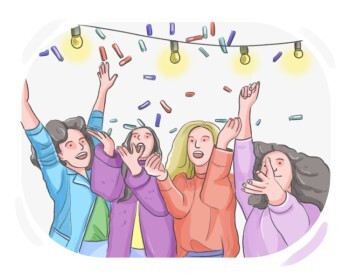
to do something special such as dancing or drinking that shows one is happy for an event

oslavovat, slavit
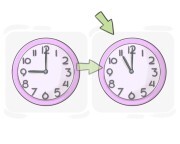
oslavovat, slavit

Ex: They have celebrated the completion of the project with a team-building retreat .

Oslavili dokončení projektu teambuildingovým retreatem.

later
later
[Příslovce]

at a time following the current or mentioned moment, without specifying exactly when

později, následně

později, následně

Ex: She plans to travel to Europe later, once her schedule clears up .

Plánuje cestovat do Evropy později, jakmile se jí uvolní rozvrh.

calm
calm
[Přídavné jméno]

not showing worry, anger, or other strong emotions

klidný, vyrovnaný
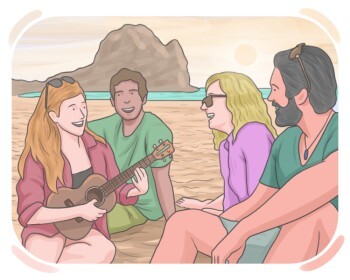
klidný, vyrovnaný

Ex: Even when criticized , he responded in a calm and collected manner .

I když byl kritizován, reagoval klidně a soustředěně.

friendship
friendship
[Podstatné jméno]

a close relationship between two or more people characterized by trust, loyalty, and support

přátelství, kamarádství

přátelství, kamarádství

Ex: Despite living miles apart , their friendship remains strong thanks to regular calls and visits .

Navzdory tomu, že žijí kilometry od sebe, jejich přátelství zůstává silné díky pravidelným hovorům a návštěvám.

strong
strong
[Přídavné jméno]

not faint or feeble

silný, mocný

silný, mocný

to visit
to visit
[sloveso]

to go somewhere because we want to spend time with someone

navštívit, zavítat
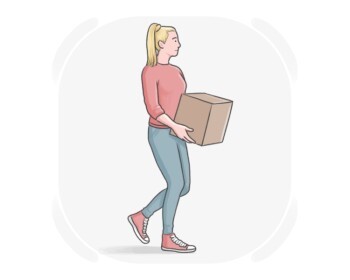
navštívit, zavítat

Ex: We should visit our old neighbors .

Měli bychom navštívit naše staré sousedy.

to bring
to bring
[sloveso]

to come to a place with someone or something

přinést, přivést

přinést, přivést

Ex: She brought her friend to the party .

Přivedla svou kamarádku na večírek.

gift
gift
[Podstatné jméno]

something that we give to someone because we like them, especially on a special occasion, or to say thank you

dárek, dar
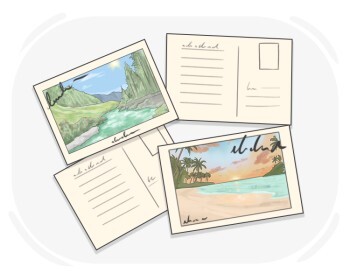
dárek, dar

Ex: The couple requested no gifts at their anniversary party .

Pár požádal o žádné dárky na jejich výroční párty.

card
card
[Podstatné jméno]

a piece of thick, stiff paper, often rectangular, used for sending messages, greetings, or invitations

karta, přáníčko

karta, přáníčko

Ex: They designed a custom holiday card to send to their friends and family .

Navrhli vlastní prázdninový pohled, který poslali svým přátelům a rodině.

hug
hug
[Podstatné jméno]

the act of closely holding someone in one's arms, usually as a sign of affection

objetí, přitulení

objetí, přitulení

mistake
mistake
[Podstatné jméno]

an act or opinion that is wrong

chyba, omyl

chyba, omyl

Ex: A culture that encourages risk-taking and learning from mistakes fosters innovation and creativity .

Kultura, která podporuje podstupování rizik a učení se z chyb, podporuje inovace a kreativitu.

to happen
to happen
[sloveso]

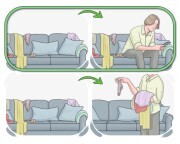
to occur by chance

stát se, přihodit se
stát se, přihodit se

Ex: I happened to run into my old friend from high school at the grocery store .

Stalo se mi, že jsem v obchodě s potravinami narazil na svého starého přítele ze střední školy.

care
care
[Podstatné jméno]

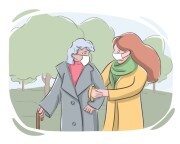
the act of providing treatment and paying attention to the physical and emotional needs of someone or something

péče,  pozornost
péče, pozornost

Ex: The hospital provides compassionate care to all patients , ensuring their physical and emotional needs are met .

Nemocnice poskytuje všem pacientům soucitnou péči a zajišťuje, aby byly uspokojeny jejich fyzické a emocionální potřeby.

to keep
to keep
[sloveso]

to make someone or something stay or remain in a specific state, position, or condition

udržovat, uchovávat

udržovat, uchovávat

Ex: They keep the fridge stocked with fresh ingredients .

Udržují lednici zásobenou čerstvými surovinami.

close
close
[Přídavné jméno]

sharing a strong and intimate bond

blízký,  důvěrný

blízký, důvěrný

Ex: Their close relationship made them inseparable , both in good times and bad .

Jejich blízký vztah je učinil nerozlučnými, jak v dobrých, tak ve špatných časech.

LanGeek
Stáhnout aplikaci LanGeek