pattern

Klíčová slovní zásoba pro běžná onemocnění - Bolest hlavy

Revize

Kartičky

tvary

Pravopis

Kvíz

Začněte se učit
Key Vocabulary for Common Illnesses
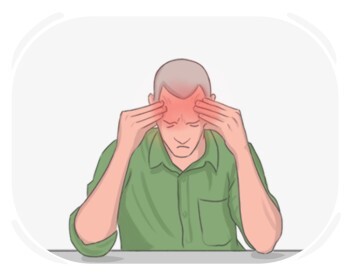
headache
headache
[Podstatné jméno]

a pain in the head, usually persistent

bolest hlavy
bolest hlavy

Ex: Avoiding stress can help you prevent headaches. 
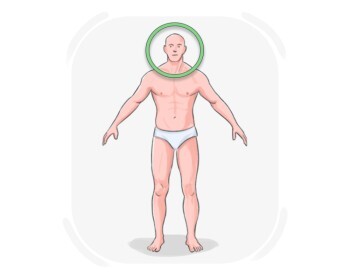
head
head
[Podstatné jméno]

the top part of body, where brain and face are located

hlava, kolečko
hlava, kolečko

Ex: The cat gently nudged its head against my hand, seeking affection. 
to hurt
to hurt
[sloveso]

to feel pain in a part of the body

bolet,  zraňovat

bolet, zraňovat

Ex: After the bee sting, the spot hurt for a few hours. 
reason
reason
[Podstatné jméno]

something that explains an action or event

důvod, příčina
důvod, příčina

Ex: She provided a valid reason for being late to the meeting. 
tired
tired
[Přídavné jméno]

needing to sleep or rest because of not having any more energy

unavený,  vyčerpaný
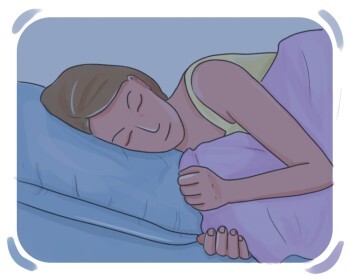
unavený, vyčerpaný

Ex: After a long day at work, he felt extremely tired. 
to sleep
to sleep
[sloveso]

to rest our mind and body, with our eyes closed

spát, odpočívat
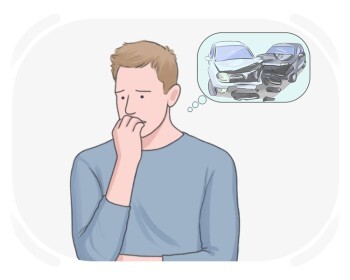
spát, odpočívat

Ex: After a long day of work, I like to relax and sleep to recharge my energy. 
stressed
stressed
[Přídavné jméno]

feeling so anxious that makes one unable to relax

vystresovaný, úzkostný
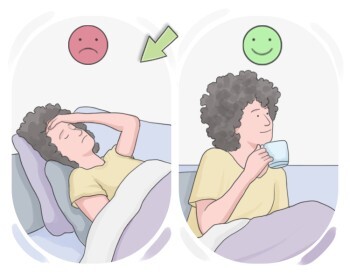
vystresovaný, úzkostný

Ex: She felt so stressed about the upcoming exams that she couldn't sleep. 
sick
sick
[Přídavné jméno]

not in a good and healthy physical or mental state

nemocný, nevolno
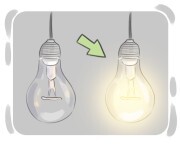
nemocný, nevolno

Ex: I think the milk was bad; it made me sick. 
bright
bright
[Přídavné jméno]

emitting or reflecting a significant amount of light

jasný, zářivý
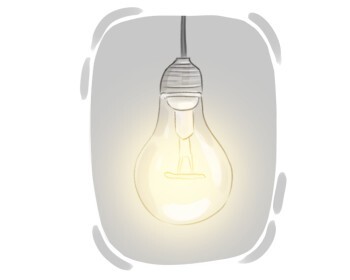
jasný, zářivý

Ex: The bright sun shone down on the beach, warming the sand. 
light
light
[Podstatné jméno]

a type of electromagnetic radiation that makes it possible to see, produced by the sun or another source of illumination

světlo
světlo

Ex: The room was filled with bright light from the lamp. 
loud
loud
[Přídavné jméno]

producing a sound or noise with high volume

hlasitý, hlučný
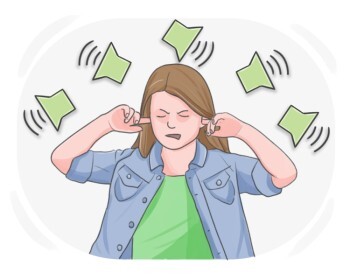
hlasitý, hlučný

Ex: He slammed the door with a loud bang. 
noise
noise
[Podstatné jméno]

sounds that are usually unwanted or loud

hluk, rámus
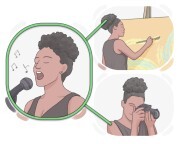
hluk, rámus

Ex: The construction site generated a lot of noise, disrupting the neighborhood. 
also
also
[Příslovce]

used to add another item, fact, or action to what has already been mentioned

také,  navíc
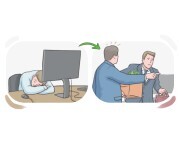
také, navíc

Ex: She teaches full-time and also runs her own business. 
to cause
to cause
[sloveso]

to make something happen, usually something bad

způsobit,  vyvolat
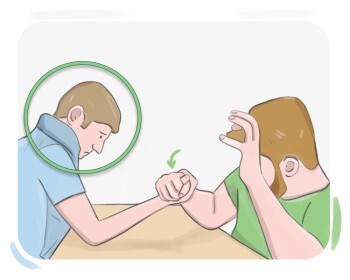
způsobit, vyvolat

Ex: Please don't cause any more problems in class. 
weak
weak
[Přídavné jméno]

not strong or vigorous in body or movement

slabý, křehký
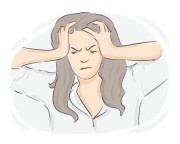
slabý, křehký

Ex: After several days without food, he felt too weak to stand. 
painful
painful
[Přídavné jméno]

causing physical pain in someone

bolestivý, utrpení

bolestivý, utrpení

Ex: The painful bruise on his leg made it hard to walk. 
heavy
heavy
[Přídavné jméno]

remarkably large, impressive, or prodigious in degree, quantity, or effect

zdrcující, ohromný
zdrcující, ohromný

Ex: The team achieved a heavy victory. 
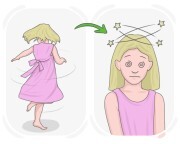
dizzy
dizzy
[Přídavné jméno]

unable to keep one's balance and feeling as though everything is circling around one, caused by an illness or looking down from a high place

závratě, motání hlavy
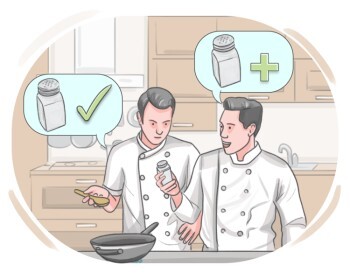
závratě, motání hlavy

Ex: She felt dizzy and lightheaded after standing up too quickly. 
important
important
[Přídavné jméno]

having a lot of value

důležitý, rozhodující
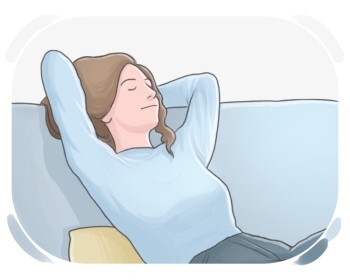
důležitý, rozhodující

Ex: Conserving water is important for the sustainable use of natural resources. 
to rest
to rest
[sloveso]

to stop working, moving, or doing an activity for a period of time and sit or lie down to relax

odpočívat, relaxovat
odpočívat, relaxovat

Ex: After a long day at work, I like to rest on the couch and watch TV. 
to lie down
to lie down
[sloveso]

to put one's body in a flat position in order to sleep or rest

lehnout si, odpočívat

lehnout si, odpočívat

Ex: I'm feeling tired, so I'm going to lie down for a while. 
quiet
quiet
[Přídavné jméno]

with little or no noise

tichý, klidný

tichý, klidný

Ex: The library was quiet, with only the sound of pages turning. 
dark
dark
[Přídavné jméno]

having very little or no light

temný, tmavý

temný, tmavý

Ex: He walked down the dark alley, looking over his shoulder. 
to help
to help
[sloveso]

to make something easier, particularly by improving the situation

pomáhat,  usnadňovat
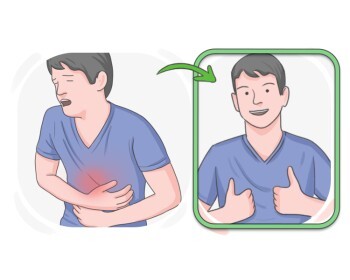
pomáhat, usnadňovat

Ex: Seeking therapy can help improve mental health. 
better
better
[Přídavné jméno]

recovered from a physical or mental health problem completely or compared to the past

lepší, uzdravený
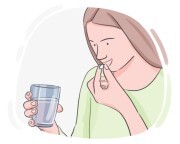
lepší, uzdravený

Ex: After using the medicine, I felt much better. 
to take
to take
[sloveso]

to consume a drug, medication, or substance in a specified manner, such as swallowing, inhaling, or injecting

brát, užívat
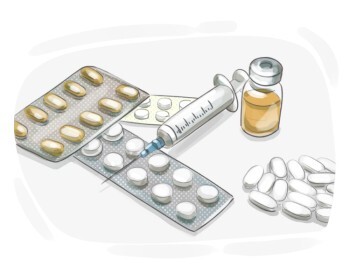
brát, užívat

Ex: The nurse instructed the patient to take the prescribed antibiotics with a full glass of water. 
medicine
medicine
[Podstatné jméno]

a substance that treats injuries or illnesses

lék, medicína

lék, medicína

Ex: The doctor prescribed medicine for her cough. 
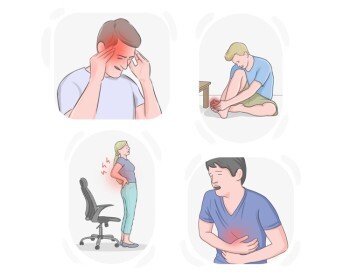
pain
pain
[Podstatné jméno]

the unpleasant feeling caused by an illness or injury

bolest
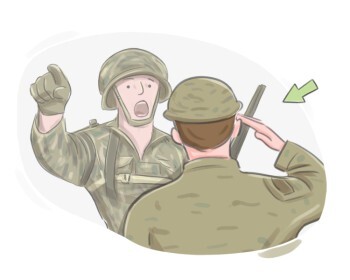
bolest

Ex: I have a sharp pain in my side when I breathe. 
strong
strong
[Přídavné jméno]

having a strong physiological or chemical effect

silný,  účinný

silný, účinný

to follow
to follow
[sloveso]

to act accordingly to someone or something's advice, commands, or instructions

následovat
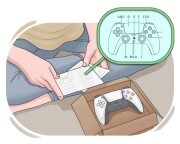
následovat

Ex: She followed her doctor's advice and improved her health. 
instruction
instruction
[Podstatné jméno]

guidance on how to carry out a task or operate something

instrukce, pokyn
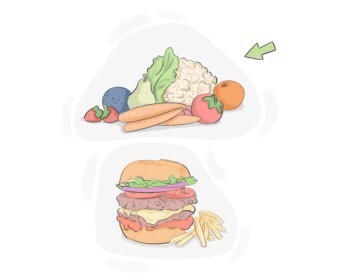
instrukce, pokyn

Ex: Following the cooking instructions precisely is key to achieving the perfect dish. 
healthy
healthy
[Přídavné jméno]

making someone feel well or showing good health

zdravý, prospěšný pro zdraví

zdravý, prospěšný pro zdraví

Ex: A good night's sleep is necessary for staying healthy. 
to prevent
to prevent
[sloveso]

to stop something from happening

zabránit, předcházet
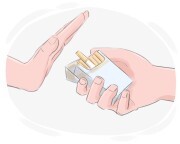
zabránit, předcházet

Ex: Regular exercise can help prevent certain health issues. 
to avoid
to avoid
[sloveso]

to keep away from or deliberately not do something

vyhnout se, držet se dál od
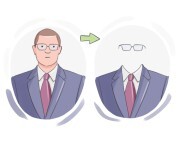
vyhnout se, držet se dál od

Ex: They avoid smoking as it's detrimental to their health. 
to go away
to go away
[sloveso]

to vanish or cease to exist

zmizet, vytratit se

zmizet, vytratit se

Ex: The magician made the rabbit go away in a puff of smoke. 
a few
a few
[Člen]

used to indicate a small number of items, people, or things

několik, pár
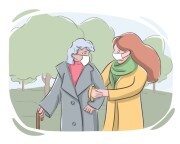
několik, pár

Ex: I have a few books to return to the library. 
care
care
[Podstatné jméno]

the act of providing treatment and paying attention to the physical and emotional needs of someone or something

péče,  pozornost

péče, pozornost

Ex: The elderly residents of the nursing home received compassionate care from the dedicated staff members. 
common
common
[Přídavné jméno]

frequently found, happening, or seen

běžný, častý
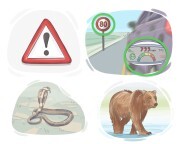
běžný, častý

Ex: It’s common for people to exchange holiday gifts with friends and family. 
dangerous
dangerous
[Přídavné jméno]

capable of destroying or causing harm to a person or thing

nebezpečný
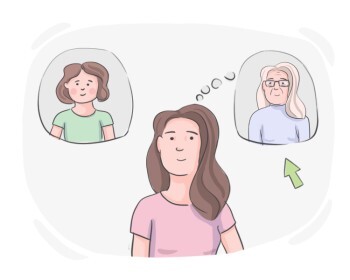
nebezpečný

Ex: Crossing the road without looking is dangerous. 
future
future
[Podstatné jméno]

the time that will come after the present or the events that will happen then

budoucnost, zítřek

budoucnost, zítřek

Ex: She's excited about her future at the new job. 
Klíčová slovní zásoba pro běžná onemocnění
ChladnoBolest v krkuBolest břichaHorečka
Bolest hlavyChřipka
LanGeek
Stáhnout aplikaci LanGeek