pattern

Vocabulario clave para enfermedades comunes - Dolor de cabeza

Revisión

Tarjetas de memoria

formas

Ortografía

Cuestionario

Empezar a aprender
Key Vocabulary for Common Illnesses
headache
headache
[Sustantivo]

a pain in the head, usually persistent

dolor de cabeza

dolor de cabeza

Ex: I can't concentrate on this report; I've got a terrible headache. 
head
head
[Sustantivo]

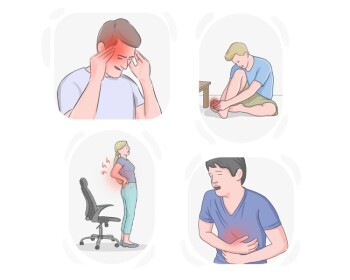
the top part of body, where brain and face are located

cabeza
cabeza

Ex: A scarf was wrapped around her head to keep her warm. 
to hurt
to hurt
[Verbo]

to feel pain in a part of the body

doler

doler

Ex: He said his tooth hurt every time he drank something cold. 
reason
reason
[Sustantivo]

something that explains an action or event

razón
razón

Ex: The teacher explained the reason behind the scientific principle to the students. 
tired
tired
[Adjetivo]

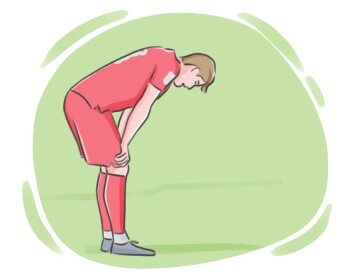
needing to sleep or rest because of not having any more energy

cansado

cansado

Ex: She was tired but satisfied after cleaning the whole house. 

Ella estaba cansada pero satisfecha después de limpiar toda la casa.

to sleep
to sleep
[Verbo]

to rest our mind and body, with our eyes closed

dormir
dormir

Ex: I often have vivid dreams when I sleep deeply. 
stressed
stressed
[Adjetivo]

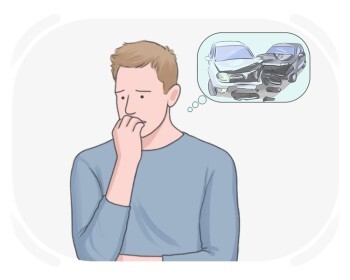
feeling so anxious that makes one unable to relax

estresado, agobiado

estresado, agobiado

Ex: The constant deadlines made her feel stressed and overwhelmed. 

Los plazos constantes la hacían sentirse estresada y abrumada.
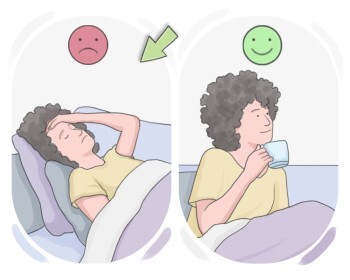
sick
sick
[Adjetivo]

not in a good and healthy physical or mental state

enfermo
enfermo

Ex: My father was so sick that he couldn't even get out of bed. 
bright
bright
[Adjetivo]

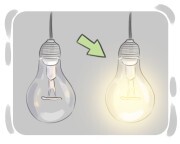
emitting or reflecting a significant amount of light

brillante

brillante

Ex: The flashlight cast a bright beam of light into the dark forest. 
light
light
[Sustantivo]

a type of electromagnetic radiation that makes it possible to see, produced by the sun or another source of illumination

luz

luz

Ex: Photographers often adjust the light to achieve the perfect shot. 
loud
loud
[Adjetivo]

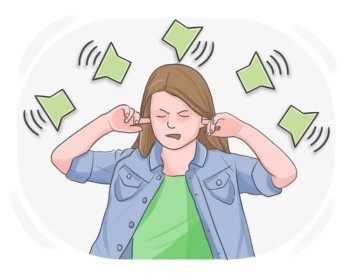
producing or involving a large amount of sound or noise

alto, fuerte
alto, fuerte

Ex: Please don't speak in such a loud voice. 
noise
noise
[Sustantivo]

sounds that are usually unwanted or loud

ruido

ruido

Ex: The noise from the party next door kept him awake all night. 
also
also
[Adverbio]

used to add another item, fact, or action to what has already been mentioned

también

también

Ex: He speaks Spanish and also understands Portuguese. 

Él habla español y también entiende portugués.
to cause
to cause
[Verbo]

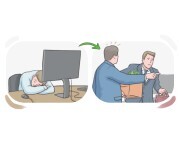
to make something happen, usually something bad

causar, provocar
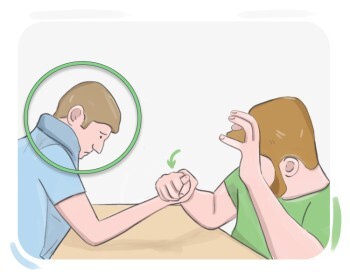
causar, provocar

Ex: Are you trying to cause a misunderstanding with your words? 
weak
weak
[Adjetivo]

not strong or vigorous in body or movement

débil, frágil

débil, frágil

Ex: Her grip was weak after the surgery on her wrist. 
painful
painful
[Adjetivo]

causing physical pain in someone

doloroso

doloroso

Ex: Her painful shoulder prevented her from lifting anything heavy. 

Su hombro doloroso le impedía levantar algo pesado.

heavy
heavy
[Adjetivo]

remarkably large, impressive, or prodigious in degree, quantity, or effect

aplastante, abrumador
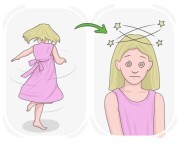
aplastante, abrumador

Ex: The book was a heavy read for casual readers. 
dizzy
dizzy
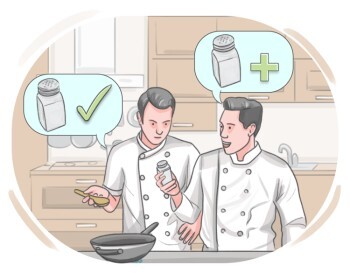
[Adjetivo]

unable to keep one's balance and feeling as though everything is circling around one, caused by an illness or looking down from a high place

mareado

mareado

Ex: Low blood sugar levels can cause people with diabetes to feel dizzy and disoriented. 

Los niveles bajos de azúcar en la sangre pueden hacer que las personas con diabetes se sientan mareadas y desorientadas.
important
important
[Adjetivo]

having a lot of value

importante

importante

Ex: Freedom of speech is an important right in democratic societies. 

La libertad de expresión es un derecho importante en las sociedades democráticas.

to rest
to rest
[Verbo]

to stop working, moving, or doing an activity for a period of time and sit or lie down to relax

descansar

descansar

Ex: Please rest and take a break before you continue with your tasks. 
to lie down

to put one's body in a flat position in order to sleep or rest

acostarse para dormir o descansar, poner el cuerpo en posición horizontal

acostarse para dormir o descansar, poner el cuerpo en posición horizontal

Ex: The weary traveler lay down on the bed, eager to escape the hustle and bustle of the city. 

El cansado viajero se acostó en la cama, ansioso por escapar del bullicio de la ciudad.

quiet
quiet
[Adjetivo]

with little or no noise

silencioso, tranquilo

silencioso, tranquilo

Ex: The quiet street was a welcome change from the bustling city. 
dark
dark
[Adjetivo]

having very little or no light

oscuro

oscuro

Ex: She enjoyed the quiet and calm of her dark bedroom at night. 
to help
to help
[Verbo]

to make something easier, particularly by improving the situation

ayudar,  facilitar
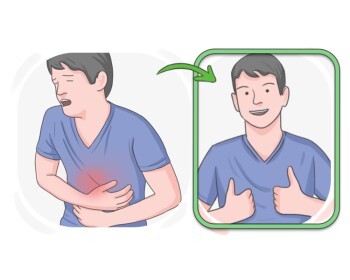
ayudar, facilitar

Ex: This new software helps to organize tasks efficiently. 
better
better
[Adjetivo]

recovered from a physical or mental health problem completely or compared to the past

mejor

mejor

Ex: I hope you get better soon! 

¡Espero que te mejores pronto!

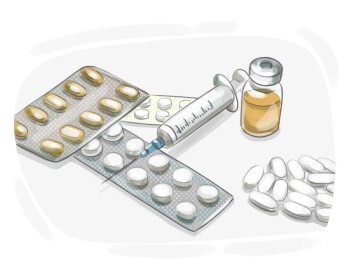
to take
to take
[Verbo]

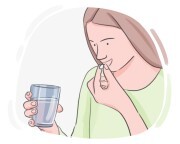
to consume a drug, medication, or substance in a specified manner, such as swallowing, inhaling, or injecting

tomar
tomar

Ex: The doctor advised him to take the cough syrup every six hours until the symptoms improved. 
medicine
medicine
[Sustantivo]

a substance that treats injuries or illnesses

medicina, medicamento

medicina, medicamento

Ex: The pharmacist explained how to use the medicine properly. 
pain
pain
[Sustantivo]

the unpleasant feeling caused by an illness or injury

dolor

dolor

Ex: The dentist gave me medicine to ease the pain. 
strong
strong
[Adjetivo]

having a strong physiological or chemical effect

fuerte,  potente

fuerte, potente

Ex: She needed a stronger painkiller after the operation. 
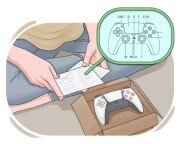
to follow
to follow
[Verbo]

to act accordingly to someone or something's advice, commands, or instructions

obedecer
obedecer

Ex: The soldiers claimed they were just following orders during the mission. 
instruction
instruction
[Sustantivo]

guidance on how to carry out a task or operate something

instrucción, directriz
instrucción, directriz

Ex: Without proper instructions, it was difficult to figure out how to use the new machine effectively. 
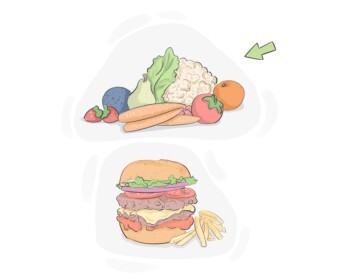
healthy
healthy
[Adjetivo]

making someone feel well or showing good health

sano

sano

Ex: She follows a healthy diet full of fruits and vegetables. 
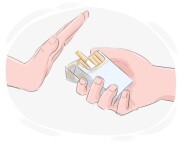
to prevent
to prevent
[Verbo]

to stop something from happening

impedir, prevenir
impedir, prevenir

Ex: Yesterday, the quick intervention prevented a serious accident. 
to avoid
to avoid
[Verbo]

to keep away from or deliberately not do something

evitar, alejarse de

evitar, alejarse de

Ex: To avoid conflict, she stayed silent during the heated discussion. 
to go away
to go away
[Verbo]

to vanish or cease to exist

desaparecer, esfumarse

desaparecer, esfumarse

Ex: The stain on the fabric wouldn't go away, no matter how hard she tried to clean it. 

La mancha en la tela no quería desaparecer, por mucho que intentara limpiarla.

a few
a few
[Determinante]

used to indicate a small number of items, people, or things

algunos, unos pocos

algunos, unos pocos

Ex: He has a few friends coming over to watch the game tonight. 

Tiene algunos amigos que vienen a ver el juego esta noche.
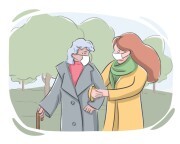
care
care
[Sustantivo]

the act of providing treatment and paying attention to the physical and emotional needs of someone or something

asistencia, atención

asistencia, atención

Ex: The organization provides palliative care to terminally ill patients, offering comfort and support during their final days. 
common
common
[Adjetivo]

frequently found, happening, or seen

común

común

Ex: Coffee is a common beverage in many cultures. 

El café es una bebida común en muchas culturas.
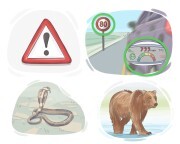
dangerous
dangerous
[Adjetivo]

capable of destroying or causing harm to a person or thing

peligroso

peligroso

Ex: She's allergic to bees; a sting can be dangerous for her. 

Ella es alérgica a las abejas; una picadura puede ser peligrosa para ella.
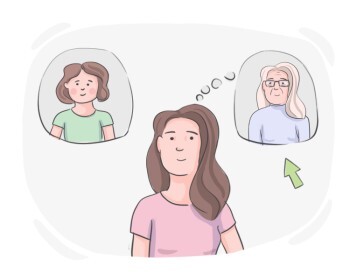
future
future
[Sustantivo]

the time that will come after the present or the events that will happen then

futuro

futuro

Ex: They are saving money for their child's future. 
Vocabulario clave para enfermedades comunes
FríoDolor de gargantaDolor de estómagoFiebre
Dolor de cabezaGripe
LanGeek
Descargar la aplicación LanGeek