pattern

Klíčová slovní zásoba pro zranění a první pomoc - Hořet

Revize

Kartičky

tvary

Pravopis

Kvíz

Začněte se učit
Key Vocabulary for Injuries & First Aid
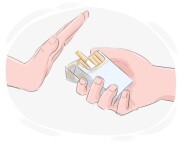
to avoid
to avoid
[sloveso]

to keep away from or deliberately not do something

vyhnout se, držet se dál od
vyhnout se, držet se dál od

Ex: They avoid smoking as it's detrimental to their health. 
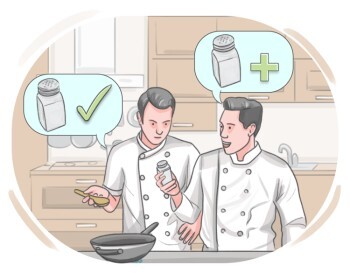
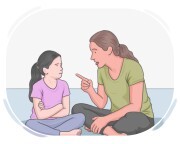
should
should
[sloveso]

used to say what is suitable, right, etc., particularly when one is disapproving of something

měl by, měli byste

měl by, měli byste

Ex: Individuals should refrain from spreading false information on social media. 

Jednotlivci by se měli zdržet šíření nepravdivých informací na sociálních sítích.
to touch
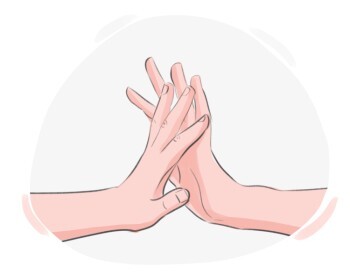
to touch
[sloveso]

to put our hand or body part on a thing or person

dotknout se, sáhnout
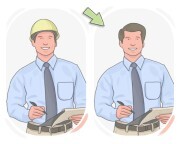
dotknout se, sáhnout

Ex: Please don't touch the fragile glass display. 
without
without
[předložka]

used to indicate that a person or thing does not have something or someone

bez, v nepřítomnosti

bez, v nepřítomnosti

Ex: She can't live without her phone. 

Nemůže žít bez svého telefonu.

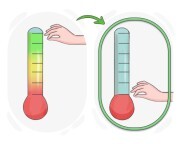
to cool
to cool
[sloveso]

to make something become less hot and slightly colder

ochlazovat, chladit
ochlazovat, chladit

Ex: Put the drinks in the refrigerator to cool them. 
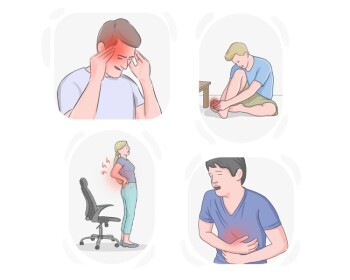
pain
pain
[Podstatné jméno]

the unpleasant feeling caused by an illness or injury

bolest
bolest

Ex: I have a sharp pain in my side when I breathe. 
to go down
to go down
[sloveso]

(of a price, temperature, etc.) to decrease in amount or level

klesnout v množství nebo úrovni, klesnout u ceny teploty apod

klesnout v množství nebo úrovni, klesnout u ceny teploty apod

Ex: As winter approaches, the temperature tends to go down significantly. 

Jak se zima blíží, teplota má tendenci výrazně klesat.
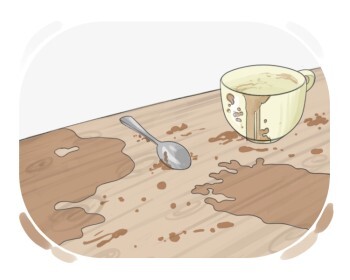
dirty
dirty
[Přídavné jméno]

covered or marked with dirt, stains, or other unwanted substances

špinavý,  ušpiněný
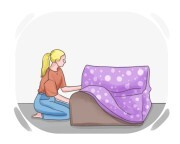
špinavý, ušpiněný

Ex: The children came home with dirty hands and muddy shoes. 
to cover
to cover
[sloveso]

to put something over something else in a way that hides or protects it

zakrýt, přikrýt
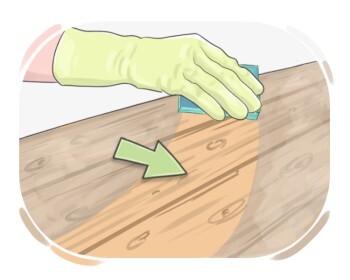
zakrýt, přikrýt

Ex: He covered the food with a clean cloth. 
clean
clean
[Přídavné jméno]

not having any bacteria, marks, or dirt

čistý, sterilní
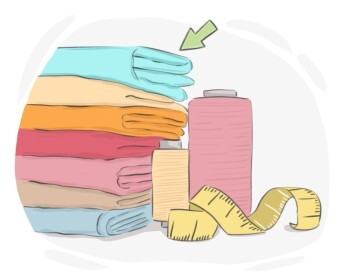
čistý, sterilní

Ex: He washed his hands to keep them clean. 
cloth
cloth
[Podstatné jméno]

material made by weaving, knitting, or otherwise forming fibers, especially for making clothes or household items

látka,  tkanina

látka, tkanina

Ex: This cloth is light enough for warm-weather clothing. 
bandage
bandage
[Podstatné jméno]

a piece of cloth that is put around a wound to prevent infections

obvaz, obvazový materiál

obvaz, obvazový materiál

Ex: After the injury, the doctor instructed him to change the bandage daily to ensure proper healing. 

Po zranění mu lékař nařídil denně měnit obvaz, aby zajistil správné hojení.
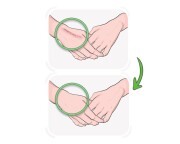
to heal
to heal
[sloveso]

to become healthy again

hojit, uzdravovat

hojit, uzdravovat

Ex: Patients have recently healed after undergoing medical procedures. 

Pacienti se nedávno uzdravili po lékařských zákrocích.
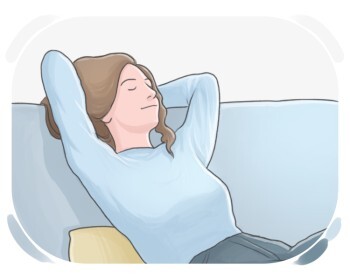
to rest
to rest
[sloveso]

to stop working, moving, or doing an activity for a period of time and sit or lie down to relax

odpočívat, relaxovat
odpočívat, relaxovat

Ex: You should rest for a while before continuing. 
to [take] care of {sb/sth}

to look after or manage someone or something, ensuring their needs are met

Ex: My neighbor has agreed to take care of my dog while I'm on vacation. 
until
until
[Spojka]

up to the point in time or the event mentioned

dokud ne, až do chvíle

dokud ne, až do chvíle

Ex: We won’t know the results until the final votes are counted. 

Nebudeme znát výsledky dokud nebudou sečteny konečné hlasy.
common
common
[Přídavné jméno]

frequently found, happening, or seen

běžný, častý

běžný, častý

Ex: It's common to see tourists in the city during the summer. 

Během léta je běžné vidět ve městě turisty.

care
care
[Podstatné jméno]

the act of providing treatment and paying attention to the physical and emotional needs of someone or something

péče,  pozornost

péče, pozornost

Ex: She received excellent medical care after the accident. 
needed
needed
[Přídavné jméno]

required or necessary for a specific purpose

potřebný, vyžadovaný

potřebný, vyžadovaný

Ex: Proof of identification is needed to enter the building. 

Pro vstup do budovy je potřeba doklad totožnosti.
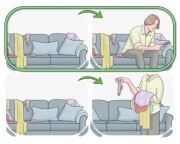
to keep
to keep
[sloveso]

to make someone or something stay or remain in a specific state, position, or condition

udržovat, uchovávat
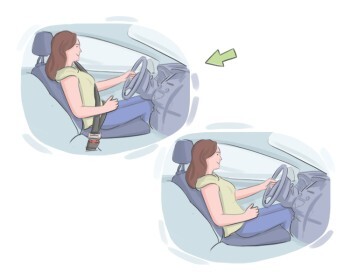
udržovat, uchovávat

Ex: She keeps her room tidy. 
safe
safe
[Přídavné jméno]

protected from any danger

bezpečný, chráněný
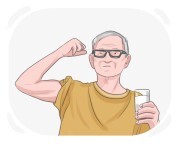
bezpečný, chráněný

Ex: The children are quite safe here, playing under the watchful eye of their parents. 
healthy
healthy
[Přídavné jméno]

(of a person) not having physical or mental problems

zdravý, vitální

zdravý, vitální

Ex: Despite her age, she's very healthy and active. 
burn
burn
[Podstatné jméno]

a mark or injury that is caused by exposure to fire, acid, heat, etc.

popálenina, stopa po popálení

popálenina, stopa po popálení

Ex: Doctors treated the burn immediately. 
skin
skin
[Podstatné jméno]

the thin layer of tissue that covers the body of a person or an animal

kůže, pokožka

kůže, pokožka

Ex: He applied lotion to keep his skin moisturized during the winter. 
to hurt
to hurt
[sloveso]

to feel pain in a part of the body

bolet,  zraňovat
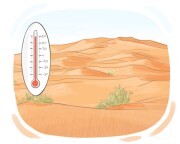
bolet, zraňovat

Ex: After the bee sting, the spot hurt for a few hours. 
heat
heat
[Podstatné jméno]

a state of having a higher than normal temperature

vedro, teplo
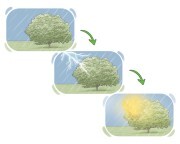
vedro, teplo

Ex: In spite of the heat, they continued their trek through the desert. 
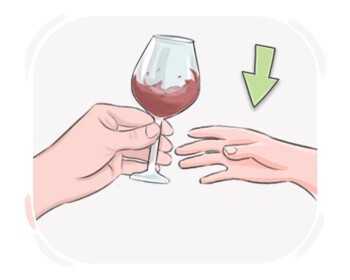
to happen
to happen
[sloveso]

to come into existence by chance or as a consequence

stát se, přihodit se
stát se, přihodit se

Ex: Sometimes the best ideas happen when you least expect them. 
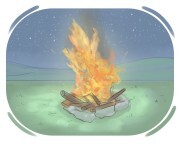
fire
fire
[Podstatné jméno]

the result of something burning that often produces heat, flame, light, and smoke

oheň, plamen
oheň, plamen

Ex: Can you please add some logs to the fire to keep it burning? 
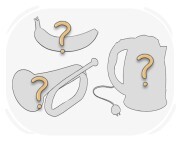
object
object
[Podstatné jméno]

a non-living thing that one can touch or see

předmět, objekt
předmět, objekt

Ex: The sculpture in the museum is an ancient object made of marble. 
to get
to get
[sloveso]

to receive or come to have something

dostávat, získat

dostávat, získat

Ex: He got an unexpected bonus at work. 
to make
to make
[sloveso]

to cause someone or something to display or possess a specific quality, emotion, or state

udělat, způsobit

udělat, způsobit

Ex: The challenging task can make individuals anxious. 
sore
sore
[Přídavné jméno]

(of a body part) feeling painful or tender, often as a result of injury, strain, or illness

bolavý, citlivý

bolavý, citlivý

Ex: Mary had a sore tooth that made it painful for her to chew on that side of her mouth. 

Mary měla bolavý zub, který jí ztěžoval žvýkání na té straně úst.
painful
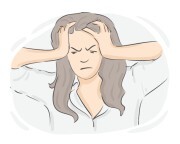
painful
[Přídavné jméno]

causing physical pain in someone

bolestivý, utrpení

bolestivý, utrpení

Ex: The painful bruise on his leg made it hard to walk. 

Bolestivá modřina na jeho noze ztěžovala chůzi.
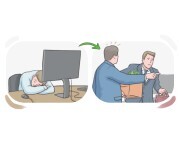
to cause
to cause
[sloveso]

to make something happen, usually something bad

způsobit,  vyvolat
způsobit, vyvolat

Ex: Please don't cause any more problems in class. 
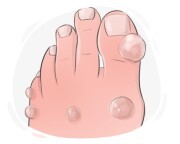
blister
blister
[Podstatné jméno]

a swollen area on the skin filled with liquid, caused by constant rubbing or by burning

puchýř, blistr

puchýř, blistr

Ex: In severe cases, large or infected blisters may require medical attention to prevent complications and promote healing. 

V závažných případech mohou velké nebo infikované puchýře vyžadovat lékařskou péči, aby se předešlo komplikacím a podpořilo hojení.
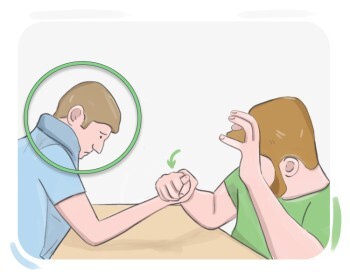
weak
weak
[Přídavné jméno]

not strong or vigorous in body or movement

slabý, křehký
slabý, křehký

Ex: After several days without food, he felt too weak to stand. 
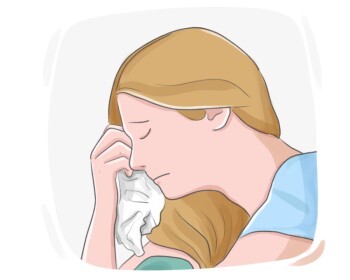
upset
upset
[Přídavné jméno]

feeling disturbed or distressed due to a negative event

rozrušený, rozčilený
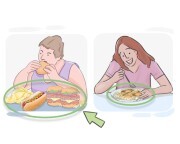
rozrušený, rozčilený

Ex: She was upset after hearing the bad news. 
a lot
a lot
[Příslovce]

to a large degree

hodně, moc

hodně, moc

Ex: He's improved a lot since last season. 

Od minulé sezóny se hodně zlepšil.

important
important
[Přídavné jméno]

having a lot of value

důležitý, rozhodující

důležitý, rozhodující

Ex: Conserving water is important for the sustainable use of natural resources. 

Šetření vodou je důležité pro udržitelné využívání přírodních zdrojů.
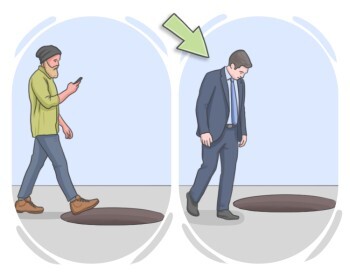
careful
careful
[Přídavné jméno]

giving attention or thought to what we are doing to avoid doing something wrong, hurting ourselves, or damaging something

opatrný, pečlivý

opatrný, pečlivý

Ex: We have to be careful not to overwater the plants. 

Musíme být opatrní, abychom rostliny nepřelévali.

Klíčová slovní zásoba pro zranění a první pomoc
ModřinaHořetKrvácení z nosuŘezat
TeploměrLedový obklad
LanGeek
Stáhnout aplikaci LanGeek