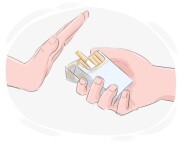
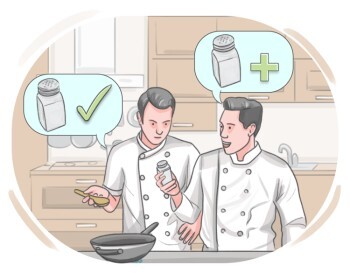
pattern

Vocabulario clave para lesiones y primeros auxilios - Quemar

Revisión

Tarjetas de memoria

formas

Ortografía

Cuestionario

Empezar a aprender
Key Vocabulary for Injuries & First Aid
to avoid
to avoid
[Verbo]

to keep away from or deliberately not do something

evitar, alejarse de
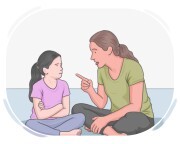
evitar, alejarse de

Ex: To avoid conflict, she stayed silent during the heated discussion. 
should
should
[Verbo]

used to say what is suitable, right, etc., particularly when one is disapproving of something

deber

deber

Ex: Students should complete their assignments on time to excel academically. 

Los estudiantes deberían completar sus tareas a tiempo para sobresalir académicamente.
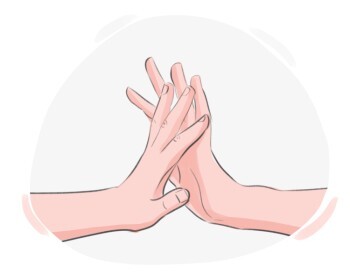
to touch
to touch
[Verbo]

to put our hand or body part on a thing or person

tocar, rozar

tocar, rozar

Ex: She gently touched the soft fur of the cat. 
without
without
[Preposición]

used to indicate that a person or thing does not have something or someone

sin

sin

Ex: I can't believe you left without me. 

No puedo creer que te hayas ido sin mí.

to cool
to cool
[Verbo]

to make something become less hot and slightly colder

enfriarse
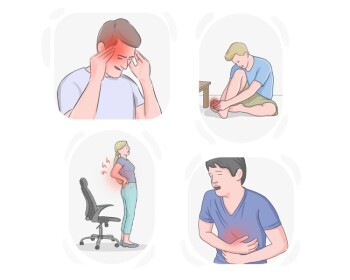
enfriarse

Ex: She poured cold water over her sunburned skin to cool the burning sensation. 
pain
pain
[Sustantivo]

the unpleasant feeling caused by an illness or injury

dolor
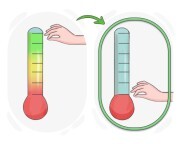
dolor

Ex: The dentist gave me medicine to ease the pain. 
to go down
to go down
[Verbo]

(of a price, temperature, etc.) to decrease in amount or level

disminuir en cantidad o nivel, bajar el precio la temperatura etc

disminuir en cantidad o nivel, bajar el precio la temperatura etc

Ex: The stock market saw a sharp decline, causing prices to go down. 

El mercado de valores experimentó un fuerte descenso, lo que hizo que los precios bajaran.
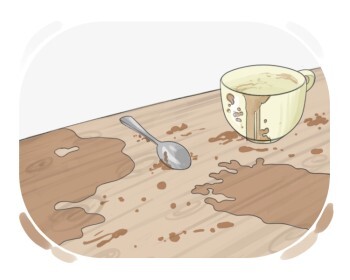
dirty
dirty
[Adjetivo]

covered or marked with dirt, stains, or other unwanted substances

sucio
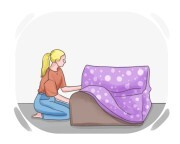
sucio

Ex: Emma wiped the dirty window with a damp cloth. 
to cover
to cover
[Verbo]

to put something over something else in a way that hides or protects it

cubrir, tapar
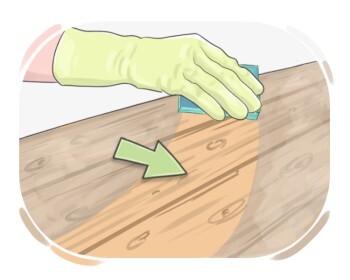
cubrir, tapar

Ex: He decided to cover his plants with a tarp to protect them from the impending frost. 
clean
clean
[Adjetivo]

not having any bacteria, marks, or dirt

limpio, aseado
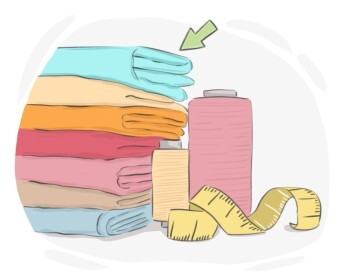
limpio, aseado

Ex: She used a clean sponge to wipe the kitchen counter. 
cloth
cloth
[Sustantivo]

material made by weaving, knitting, or otherwise forming fibers, especially for making clothes or household items

tela, tejido

tela, tejido

Ex: Daniel wrapped the fragile vase in cloth before packing it. 
bandage
bandage
[Sustantivo]

a piece of cloth that is put around a wound to prevent infections

vendaje, venda

vendaje, venda

Ex: In case of an emergency, it’s important to know how to properly use a bandage to dress a wound. 

En caso de una emergencia, es importante saber cómo usar correctamente un vendaje para cubrir una herida.
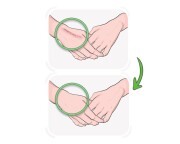
to heal
to heal
[Verbo]

to become healthy again

sanarse, curarse

sanarse, curarse

Ex: The injury is currently healing with the prescribed treatment. 

La lesión se está curando con el tratamiento prescrito.
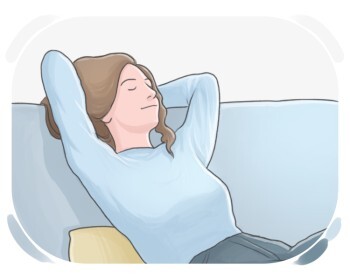
to rest
to rest
[Verbo]

to stop working, moving, or doing an activity for a period of time and sit or lie down to relax

descansar
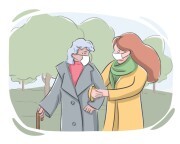
descansar

Ex: Please rest and take a break before you continue with your tasks. 
to [take] care of {sb/sth}

to look after or manage someone or something, ensuring their needs are met

cuidar de, cuidar a

cuidar de, cuidar a

Ex: She's been taking care of her sick mother for the past few months. 
until
until
[Conjunción]

up to the point in time or the event mentioned

hasta que, hasta el momento en que

hasta que, hasta el momento en que

Ex: He worked tirelessly until the project was completed. 

Trabajó incansablemente hasta que el proyecto fue completado.
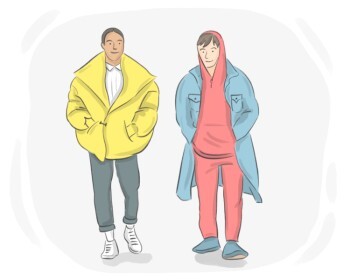
common
common
[Adjetivo]

frequently found, happening, or seen

común

común

Ex: Coffee is a common beverage in many cultures. 

El café es una bebida común en muchas culturas.

care
care
[Sustantivo]

the act of providing treatment and paying attention to the physical and emotional needs of someone or something

asistencia, atención

asistencia, atención

Ex: The organization provides palliative care to terminally ill patients, offering comfort and support during their final days. 
needed
needed
[Adjetivo]

required or necessary for a specific purpose

necesario, requerido

necesario, requerido

Ex: A good night's sleep is needed for optimal performance. 

Se necesita una buena noche de sueño para un rendimiento óptimo.
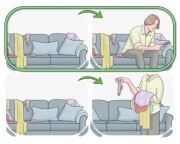
to keep
to keep
[Verbo]

to make someone or something stay or remain in a specific state, position, or condition

mantener, guardar
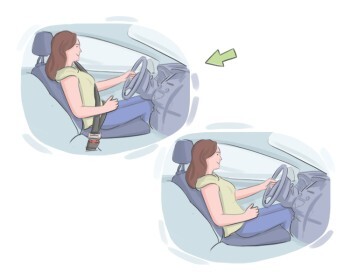
mantener, guardar

Ex: The teacher keeps the students engaged. 
safe
safe
[Adjetivo]

protected from any danger

sin peligro, seguro
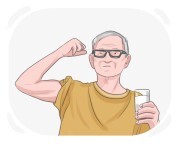
sin peligro, seguro

Ex: The secure vault kept the valuable documents safe from theft. 
healthy
healthy
[Adjetivo]

(of a person) not having physical or mental problems

sano

sano

Ex: She's a healthy young woman who exercises regularly. 
burn
burn
[Sustantivo]

a mark or injury that is caused by exposure to fire, acid, heat, etc.

quemadura, marca de quemadura

quemadura, marca de quemadura

Ex: He went to the hospital with serious burns. 
skin
skin
[Sustantivo]

the thin layer of tissue that covers the body of a person or an animal

cutis, piel

cutis, piel

Ex: The baby's skin was soft and smooth to the touch. 
to hurt
to hurt
[Verbo]

to feel pain in a part of the body

doler
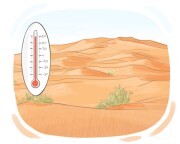
doler

Ex: He said his tooth hurt every time he drank something cold. 
heat
heat
[Sustantivo]

a state of having a higher than normal temperature

calor
calor

Ex: She sat in the shade to escape the intense heat. 
to happen
to happen
[Verbo]

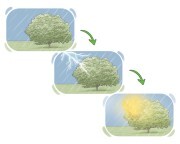
to come into existence by chance or as a consequence

ocurrir
ocurrir

Ex: The meeting happened because everyone agreed it was necessary. 
fire
fire
[Sustantivo]

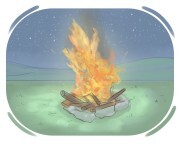
the result of something burning that often produces heat, flame, light, and smoke

incendio, fuego
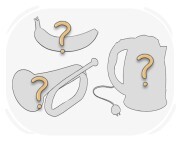
incendio, fuego

Ex: The firefighter bravely extinguished the house fire. 
object
object
[Sustantivo]

a non-living thing that one can touch or see

objeto
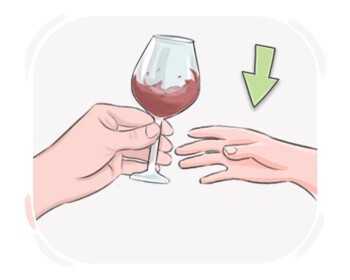
objeto

Ex: The telescope allowed astronomers to observe distant objects in the night sky. 
to get
to get
[Verbo]

to receive or come to have something

conseguir, obtener

conseguir, obtener

Ex: They got an invitation to the exclusive event. 
to make
to make
[Verbo]

to cause someone or something to display or possess a specific quality, emotion, or state

hacer

hacer

Ex: The challenging task can make individuals anxious. 
sore
sore
[Adjetivo]

(of a body part) feeling painful or tender, often as a result of injury, strain, or illness

dolorido, doloroso
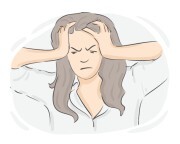
dolorido, doloroso

Ex: Sarah's feet were sore from walking around in high heels all day. 
painful
painful
[Adjetivo]

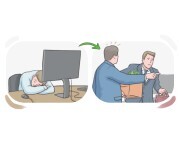
causing physical pain in someone

doloroso

doloroso

Ex: Her painful shoulder prevented her from lifting anything heavy. 

Su hombro doloroso le impedía levantar algo pesado.
to cause
to cause
[Verbo]

to make something happen, usually something bad

causar, provocar
causar, provocar

Ex: Are you trying to cause a misunderstanding with your words? 
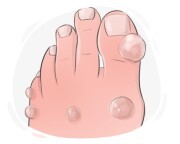
blister
blister
[Sustantivo]

a swollen area on the skin filled with liquid, caused by constant rubbing or by burning

ampolla

ampolla

Ex: Common causes of blisters include wearing ill-fitting shoes, repetitive friction from tools or sports equipment, or exposure to heat. 

Las causas comunes de las ampollas incluyen el uso de zapatos que no ajustan bien, la fricción repetitiva de herramientas o equipos deportivos, o la exposición al calor.
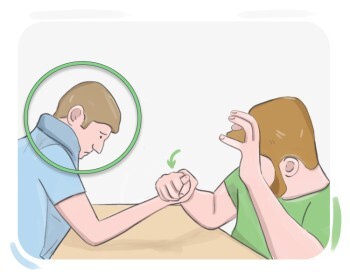
weak
weak
[Adjetivo]

not strong or vigorous in body or movement

débil, frágil
débil, frágil

Ex: Her grip was weak after the surgery on her wrist. 
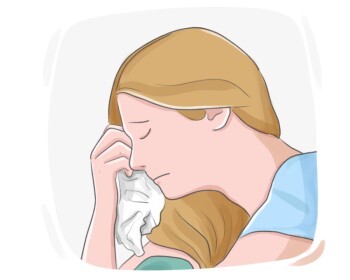
upset
upset
[Adjetivo]

feeling disturbed or distressed due to a negative event

molesto, triste
molesto, triste

Ex: She tried to hide how upset she was during the meeting. 
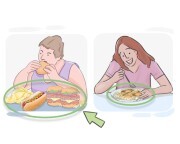
a lot
a lot
[Adverbio]

to a large degree

mucho

mucho

Ex: This book means a lot to me. 

Este libro significa mucho para mí.

important
important
[Adjetivo]

having a lot of value

importante

importante

Ex: Freedom of speech is an important right in democratic societies. 

La libertad de expresión es un derecho importante en las sociedades democráticas.
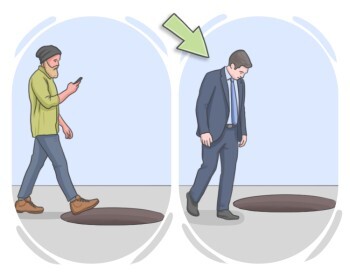
careful
careful
[Adjetivo]

giving attention or thought to what we are doing to avoid doing something wrong, hurting ourselves, or damaging something

cuidadoso

cuidadoso

Ex: She was careful not to wake the sleeping baby. 

Ella tuvo cuidado de no despertar al bebé dormido.

Vocabulario clave para lesiones y primeros auxilios
MoretónQuemarSangrado nasalCorte
TermómetroBolsa de hielo
LanGeek
Descargar la aplicación LanGeek