pattern

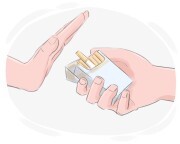
Kluczowe słownictwo dotyczące urazów i pierwszej pomocy - Palić

Przegląd

Fiszki

formy

Pisownia

Test

Zacznij naukę
Key Vocabulary for Injuries & First Aid
to avoid
to avoid
[Czasownik]

to keep away from or deliberately not do something

unikać, trzymać się z dala od
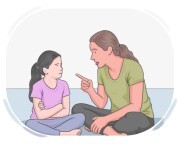
unikać, trzymać się z dala od

Ex: They avoid smoking as it's detrimental to their health. 
should
should
[Czasownik]

used to say what is suitable, right, etc., particularly when one is disapproving of something

powinien, powinieneś
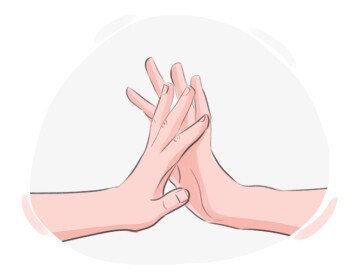
powinien, powinieneś

Ex: You should always show respect to your elders. 
to touch
to touch
[Czasownik]

to put our hand or body part on a thing or person

dotykać, dotknąć
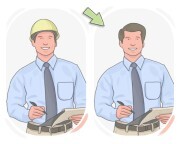
dotykać, dotknąć

Ex: Please don't touch the fragile glass display. 
without
without
[Przyimek]

used to indicate that a person or thing does not have something or someone

bez, w przypadku braku

bez, w przypadku braku

Ex: She can't live without her phone. 
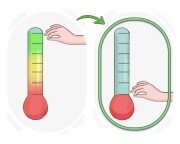
to cool
to cool
[Czasownik]

to make something become less hot and slightly colder

chłodzić, ochładzać
chłodzić, ochładzać

Ex: He used a fan to cool his overheated laptop during a long gaming session. 
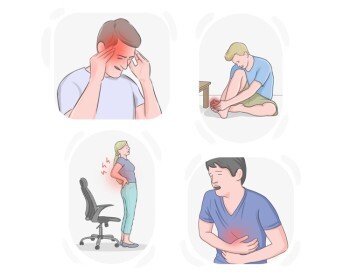
pain
pain
[Rzeczownik]

the unpleasant feeling caused by an illness or injury

ból
ból

Ex: I have a sharp pain in my side when I breathe. 
to go down
to go down
[Czasownik]

(of a price, temperature, etc.) to decrease in amount or level

spadać, zmniejszać się
spadać, zmniejszać się

Ex: During a sale, many items in the store will go down in price. 
dirty
dirty
[przymiotnik]

having stains, bacteria, marks, or dirt

brudny, zabrudzony
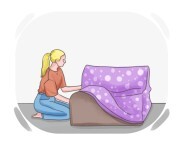
brudny, zabrudzony

Ex: He had a dirty face after playing in the mud. 
to cover
to cover
[Czasownik]

to put something over something else in a way that hides or protects it

zakryć, przykryć
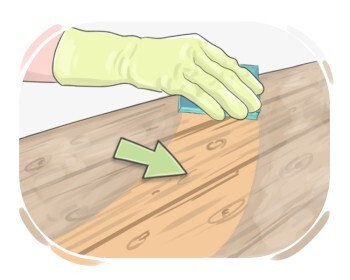
zakryć, przykryć

Ex: She used a blanket to cover the delicate furniture during the move. 
clean
clean
[przymiotnik]

not having any bacteria, marks, or dirt

czysty, sterylny
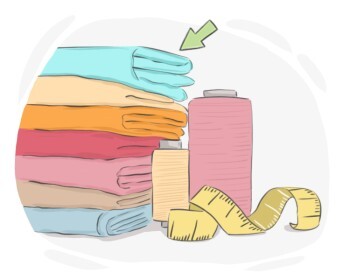
czysty, sterylny

Ex: He washed his hands to keep them clean. 
cloth
cloth
[Rzeczownik]

material used for making clothes, which is made by knitting or weaving silk, cotton, etc.

tkanina, materiał

tkanina, materiał

Ex: She selected a beautiful piece of cloth to make her new dress. 
bandage
bandage
[Rzeczownik]

a piece of cloth that is put around a wound to prevent infections

bandaż, opatrunek
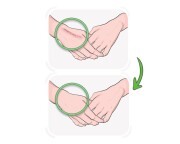
bandaż, opatrunek

Ex: She wrapped a bandage around the cut on her finger to protect it from infection. 
to heal
to heal
[Czasownik]

to become healthy again

goić się, uzdrawiać
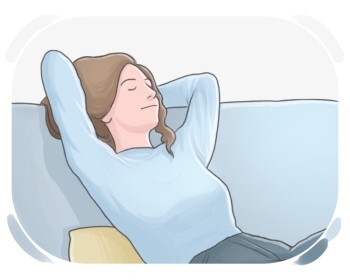
goić się, uzdrawiać

Ex: Over time, a wound may heal and gradually close. 
to rest
to rest
[Czasownik]

to stop working, moving, or doing an activity for a period of time and sit or lie down to relax

odpoczywać, relaksować się

odpoczywać, relaksować się

Ex: After a long day at work, I like to rest on the couch and watch TV. 
to [take] care of {sb/sth}

to look after or manage someone or something, ensuring their needs are met

Ex: My neighbor has agreed to take care of my dog while I'm on vacation. 
until
until
[Spójnik]

up to the point in time or the event mentioned

dopóki nie, aż do momentu
dopóki nie, aż do momentu

Ex: She didn’t feel calm until the meeting was over. 
common
common
[przymiotnik]

frequently found, happening, or seen

powszechny, częsty

powszechny, częsty

Ex: It’s common for people to exchange holiday gifts with friends and family. 
care
care
[Rzeczownik]

the act of providing treatment and paying attention to the physical and emotional needs of someone or something

opieka,  uwaga

opieka, uwaga

Ex: The elderly residents of the nursing home received compassionate care from the dedicated staff members. 
needed
needed
[przymiotnik]

required or necessary for a specific purpose

potrzebny, wymagany
potrzebny, wymagany

Ex: Proper training is needed to operate the machinery safely. 
to keep
to keep
[Czasownik]

to make someone or something stay or remain in a specific state, position, or condition

utrzymywać, zachowywać
utrzymywać, zachowywać

Ex: She keeps her room tidy. 
safe
safe
[przymiotnik]

protected from any danger

bezpieczny, chroniony
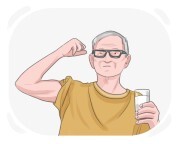
bezpieczny, chroniony

Ex: The children are quite safe here, playing under the watchful eye of their parents. 
healthy
healthy
[przymiotnik]

(of a person) not having physical or mental problems

zdrowy, krzepki

zdrowy, krzepki

Ex: Despite her age, she's very healthy and active. 
burn
burn
[Rzeczownik]

a mark or injury that is caused by exposure to fire, acid, heat, etc.

oparzenie, ślad oparzenia

oparzenie, ślad oparzenia

skin
skin
[Rzeczownik]

the thin layer of tissue that covers the body of a person or an animal

skóra, naskórek

skóra, naskórek

Ex: He applied lotion to keep his skin moisturized during the winter. 
to hurt
to hurt
[Czasownik]

to feel pain in a part of the body

boleć,  ranić
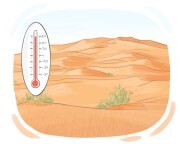
boleć, ranić

Ex: After the bee sting, the spot hurt for a few hours. 
heat
heat
[Rzeczownik]

a state of having a higher than normal temperature

upał, gorąco
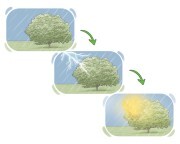
upał, gorąco

Ex: In spite of the heat, they continued their trek through the desert. 
to happen
to happen
[Czasownik]

to come into existence by chance or as a consequence

zdarzyć się, wydarzyć się
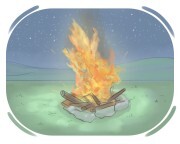
zdarzyć się, wydarzyć się

Ex: An unexpected storm can happen at any time of year. 
fire
fire
[Rzeczownik]

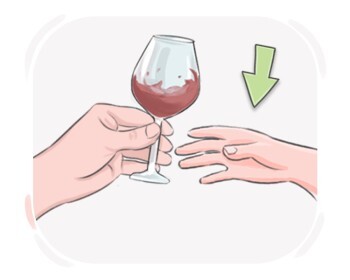
the result of something burning that often produces heat, flame, light, and smoke

ogień, płomień
ogień, płomień

Ex: Can you please add some logs to the fire to keep it burning? 
object
object
[Rzeczownik]

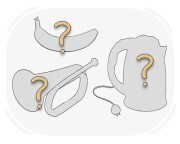
a non-living thing that one can touch or see

obiekt, przedmiot
obiekt, przedmiot

Ex: The sculpture in the museum is an ancient object made of marble. 
to get
to get
[Czasownik]

to receive or come to have something

otrzymywać, zdobywać

otrzymywać, zdobywać

Ex: He got an unexpected bonus at work. 
to make
to make
[Czasownik]

to cause someone or something to display or possess a specific quality, emotion, or state

robić, sprawiać

robić, sprawiać

Ex: His encouraging words made the team more confident. 
sore
sore
[przymiotnik]

(of a body part) feeling painful or tender, often as a result of injury, strain, or illness

obolały, wrażliwy
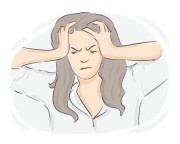
obolały, wrażliwy

Ex: Jane's throat was sore, making it difficult for her to swallow, after catching a cold. 
painful
painful
[przymiotnik]

causing physical pain in someone

bolesny, bolesny
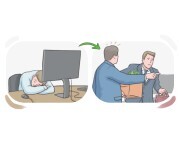
bolesny, bolesny

Ex: The painful bruise on his leg made it hard to walk. 
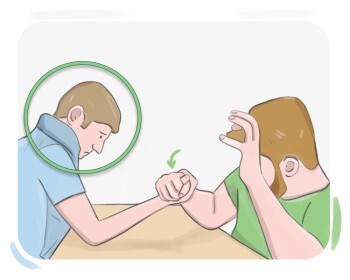
to cause
to cause
[Czasownik]

to make something happen, usually something bad

powodować,  wywoływać
powodować, wywoływać

Ex: Please don't cause any more problems in class. 
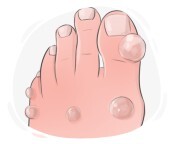
blister
blister
[Rzeczownik]

a swollen area on the skin filled with liquid, caused by constant rubbing or by burning

pęcherz, bąbel
pęcherz, bąbel

Ex: A blister is a small pocket of fluid that forms on the skin, typically caused by friction, burns, or other injuries. 
weak
weak
[przymiotnik]

not strong or vigorous in body or movement

słaby, wątły
słaby, wątły

Ex: After several days without food, he felt too weak to stand. 
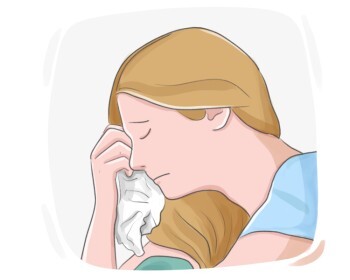
upset
upset
[przymiotnik]

feeling disturbed or distressed due to a negative event

zdenerwowany, zaniepokojony
zdenerwowany, zaniepokojony

Ex: She was upset after hearing the bad news. 
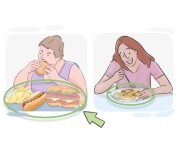
a lot
a lot
[przysłówek]

to a large degree

bardzo, moc

bardzo, moc

Ex: Thanks a lot for helping me with the move. 
important
important
[przymiotnik]

having a lot of value

ważny, kluczowy
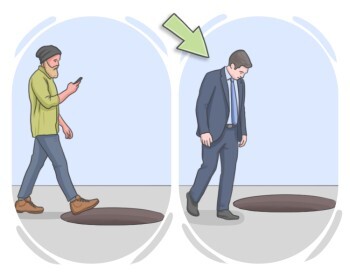
ważny, kluczowy

Ex: Conserving water is important for the sustainable use of natural resources. 
careful
careful
[przymiotnik]

giving attention or thought to what we are doing to avoid doing something wrong, hurting ourselves, or damaging something

ostrożny, uważny

ostrożny, uważny

Ex: Be careful when crossing the street. 
Kluczowe słownictwo dotyczące urazów i pierwszej pomocy
SiniakPalićKrwawienie z nosaCięcie
TermometrOkład z lodu
LanGeek
Pobierz aplikację LanGeek