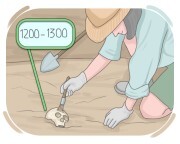
pattern

Slovní zásoba jižní a střední Asie - Afghánistán

Revize

Kartičky

tvary

Pravopis

Kvíz

Začněte se učit
South and Central Asia Vocabulary
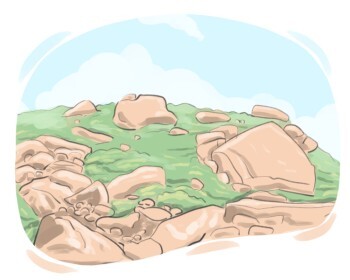
rugged
rugged
[Přídavné jméno]

(of land or terrain) rough, uneven, and often difficult to navigate, with features such as steep slopes or rocky surfaces

členitý, strmý

členitý, strmý

Ex: The rugged mountains were difficult to climb. 

Členité hory bylo obtížné zdolat.

diverse
diverse
[Přídavné jméno]

showing a variety of distinct types or qualities

různorodý, rozmanitý

různorodý, rozmanitý

Ex: The festival showcased diverse musical genres. 

Festival představil různé hudební žánry.
fascinating
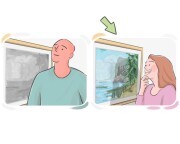
fascinating
[Přídavné jméno]

extremely interesting or captivating

fascinující, poutavý

fascinující, poutavý

Ex: The magician's tricks are fascinating to watch, leaving audiences spellbound. 

Kouzelnické triky jsou fascinující na pohled a nechávají publikum očarované.

harsh
harsh
[Přídavné jméno]

unpleasantly strong, bright, loud, bitter, or otherwise offensive to the senses

drsný,  ostrý
drsný, ostrý

Ex: Daniel disliked the harsh fluorescent lighting in the office. 
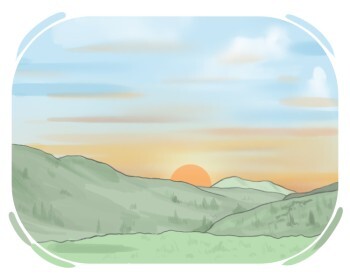
landscape
landscape
[Podstatné jméno]

an area of scenery visible in a single view

krajina, panoráma
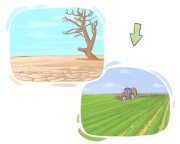
krajina, panoráma

Ex: The hikers admired the mountain landscape at sunrise. 
fertile
fertile
[Přídavné jméno]

(of land or soil) able to produce crops or plants well

úrodný

úrodný

Ex: The fertile delta of the Ganges River in India provides vital nutrients for rice cultivation. 

Úrodná delta řeky Gangy v Indii poskytuje životně důležité živiny pro pěstování rýže.
valley
valley
[Podstatné jméno]

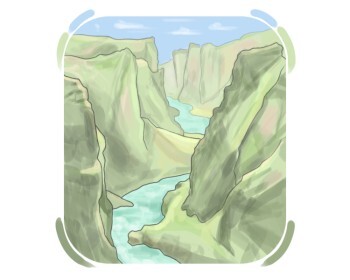
a low area of land between mountains or hills, often with a river flowing through it

údolí, dolina

údolí, dolina

Ex: The sun set behind the hills, casting long shadows over the valley. 
invader
invader
[Podstatné jméno]

a person or group that enters a place by force to take control

útočník, okupant

útočník, okupant

Ex: The army repelled the invader after a fierce battle. 

Armáda odrazila útočníka po zuřivé bitvě.

terrain
terrain
[Podstatné jméno]

an area of land, particularly in reference to its physical or natural features

terén, krajina

terén, krajina

Ex: Farmers adapted their cultivation techniques to suit the varying terrain of their land, employing terracing on slopes and irrigation systems in low-lying areas to optimize agricultural productivity. 

Zemědělci přizpůsobili své pěstitelské techniky různorodému terénu svých pozemků, využívali terasování na svazích a zavlažovací systémy v nížinách k optimalizaci zemědělské produktivity.

to resist
to resist
[sloveso]

to withstand or endure something, particularly a force, influence, or pressure

odolat, vydržet

odolat, vydržet

Ex: The paint can resist extreme temperatures without peeling. 
power
power
[Podstatné jméno]

a nation with significant influence and authority on a global scale

mocnost, supervelmoc
mocnost, supervelmoc

Ex: The United States is considered a major power in international politics. 
steep
steep
[Přídavné jméno]

(of a slope or surface) rising or falling at a sharp angle

Ex: We carefully climbed down the steep bank to the river. 
to [stand] still

to stop changing, developing, or making progress

Ex: Negotiations stood still until both sides reached a compromise. 
remote
remote
[Přídavné jméno]

far away in distance or position

Ex: Emma traveled to a remote part of the continent. 
to date back
to date back
[sloveso]

to have origins or existence that extends to a specific earlier time

pocházet z, datovat se do

pocházet z, datovat se do

Ex: The historic mansion's construction dates back to the early 19th century. 

Stavba historického sídla sahá do počátku 19. století.

over time
over time
[Příslovce]

as time passes or progresses

časem, s postupem času

časem, s postupem času

Ex: You’ll notice changes in your health over time if you follow the new diet. 

Pokud budete dodržovat novou dietu, postupem času si všimnete změn ve svém zdraví.

to [leave] {one's} mark

to have a powerful and lasting effect on someone or something

zanechat stopu, výrazně se zapsat

zanechat stopu, výrazně se zapsat

Ex: She hopes to leave her mark on the art world. 

Doufá, že zanechá stopu ve světě umění.

arrival
arrival
[Podstatné jméno]

the act of something or someone emerging or appearing such as a new product or development

příchod, objevení

příchod, objevení

Ex: The arrival of spring brought warmer weather and longer days. 
to follow
to follow
[sloveso]

to conform and adhere to the principles, practices, or guidelines established by someone or something

následovat, dodržovat
následovat, dodržovat

Ex: She follows a vegan lifestyle, avoiding all animal products. 
major
major
[Přídavné jméno]

serious and of great importance

důležitý, vážný
důležitý, vážný

Ex: The major issue facing the city is the lack of affordable housing. 
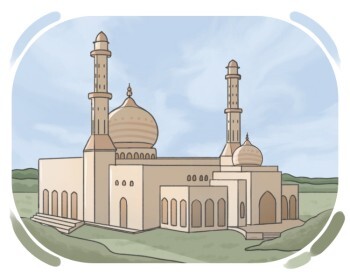
mosque
mosque
[Podstatné jméno]

a place of worship, used by Muslims

mešita, místo muslimského uctívání

mešita, místo muslimského uctívání

Ex: He listened to the imam's sermon during the weekly Friday sermon at the mosque. 

Poslouchal kázání imáma během týdenního pátečního kázání v mešitě.

battleground
battleground
[Podstatné jméno]

a region where a battle is being (or has been) fought

bojiště, bojová oblast

bojiště, bojová oblast

withdrawal
withdrawal
[Podstatné jméno]

the act or process of removing something, moving it away, or ending its provision

stažení,  odvolání

stažení, odvolání

Ex: The doctor recommended the gradual withdrawal of the medication. 
civil war
civil war
[Podstatné jméno]

a war that is between people who are in the same country

občanská válka, vnitřní konflikt

občanská válka, vnitřní konflikt

Ex: Civil wars typically arise from internal conflicts over political, social, or economic differences within a nation. 

Občanské války obvykle vznikají z vnitřních konfliktů kvůli politickým, sociálním nebo ekonomickým rozdílům v rámci národa.

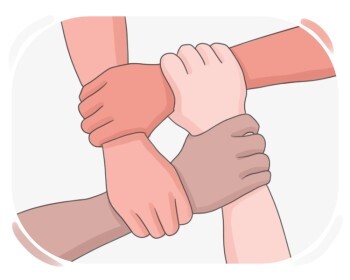
to remove
to remove
[sloveso]

to take away or eliminate something, often permanently

odstranit, vyloučit
odstranit, vyloučit

Ex: The update removes several unnecessary features. 
ethnic group
ethnic group
[Podstatné jméno]

a group of people who share a common culture, language, religion, or ancestry

etnická skupina, etnikum

etnická skupina, etnikum

Ex: Some ethnic groups have distinct religious beliefs. 

Některé etnické skupiny mají odlišná náboženská přesvědčení.

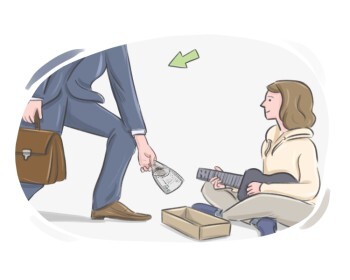
custom
custom
[Podstatné jméno]

a way of behaving or of doing something that is widely accepted in a society or among a specific group of people

zvyk, tradice
zvyk, tradice

Ex: It is a custom in Japan to take off your shoes before entering a house. 
hospitality
hospitality
[Podstatné jméno]

kindness in welcoming guests or strangers

pohostinnost

pohostinnost

generous
generous
[Přídavné jméno]

having a willingness to freely give or share something with others, without expecting anything in return

štědrý,  velkorysý

štědrý, velkorysý

Ex: They thanked her for the generous offer to pay for the repairs. 

Poděkovali jí za štědrý návrh zaplatit opravy.

welcoming
welcoming
[Přídavné jméno]

showing warmth and friendliness to a guest or visitor

přívětivý, pohostinný

přívětivý, pohostinný

Ex: The organization prided itself on its welcoming culture, ensuring that everyone felt included and respected. 

Organizace byla hrdá na svou přívětivou kulturu, která zajistila, že se každý cítil zahrnutý a respektovaný.

to treat to
to treat to
[sloveso]

to provide someone with something special, often as a gesture of kindness or generosity

poctít, pohostit

poctít, pohostit

Ex: He treated his colleagues to coffee and pastries in the morning. 

Ráno pohostil své kolegy kávou a pečivem.
household
household
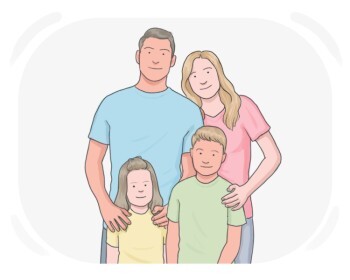
[Podstatné jméno]

all the people living in a house together, considered as a social unit

domácnost, rodina
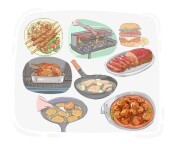
domácnost, rodina

Ex: The entire household gathered in the living room to discuss the upcoming family vacation. 
cuisine
cuisine
[Podstatné jméno]

a method or style of cooking that is specific to a country or region

kuchyně

kuchyně

Ex: She appreciated the rich flavors and spices found in traditional Indian cuisine. 

Ocenila bohaté chutě a koření nalezené v tradiční indické kuchyni.

rich
rich
[Přídavné jméno]

possessing or providing an abundance of resources or qualities

bohatý, hojný

bohatý, hojný

Ex: This soil is rich in nutrients. 
raisin
raisin
[Podstatné jméno]

a dried grape, often used in baking, cooking, or as a snack

rozinka, sušené hrozno

rozinka, sušené hrozno

Ex: The bread was soft and filled with raisins and cinnamon. 

Chléb byl měkký a plný rozinek a skořice.

tunic
tunic
[Podstatné jméno]

a hip-length loose-fitting blouse that women wear with pants or a skirt

tunika, dlouhá halenka

tunika, dlouhá halenka

to spin
to spin
[sloveso]

to turn around and around rapidly

točit se

točit se

Ex: The coin spun on the table before falling flat. 
due to
due to
[předložka]

as a result of a specific cause or reason

kvůli, z důvodu

kvůli, z důvodu

Ex: The cancellation of classes was due to a teacher strike. 

Zrušení hodin bylo kvůli stávce učitelů.

agriculture
agriculture
[Podstatné jméno]

the business of using the land to grow and take care of crops and livestock

zemědělství
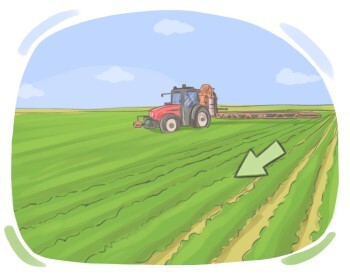
zemědělství

Ex: He built a successful career in commercial agriculture. 
crop
crop
[Podstatné jméno]

a plant that is grown for food over large areas of land

plodina, sklizeň

plodina, sklizeň

Ex: The farmers planted a new crop of wheat this season. 
pomegranate
pomegranate
[Podstatné jméno]

a round fruit with a thick red skin, containing many red edible seeds that are of sour or sweet taste

granátové jablko, plod granátovníku

granátové jablko, plod granátovníku

Ex: She enjoyed scooping out the ruby-red seeds from a ripe pomegranate for a flavorful snack. 

Bavilo ji vybírat rubínově červená semínka z zralého granátového jablka pro chutnou svačinu.

grape
grape
[Podstatné jméno]

a purple or green fruit that is round, small, and grows in bunches on a vine

hroznové víno, hrozen
hroznové víno, hrozen

Ex: She packed a small bag of grapes in her lunchbox for school. 
resource
resource
[Podstatné jméno]

(usually plural) a country's gas, oil, trees, etc. that are considered valuable and therefore can be sold to gain wealth

zdroj, přírodní bohatství

zdroj, přírodní bohatství

Ex: The country's natural resources include oil, natural gas, and minerals. 
mineral
mineral
[Podstatné jméno]

a naturally occurring inorganic solid with a characteristic chemical composition and physical structure

minerál

minerál

Ex: Students examined the mineral under a microscope during geology class. 
copper
copper
[Podstatné jméno]

a reddish-brown metallic chemical element that conducts heat and electricity well and is widely used in electrical wiring and alloys

měď,  červená měď

měď, červená měď

Ex: The pipes were made from copper. 
mining
mining
[Podstatné jméno]

the activity or industry of extracting minerals and other valuable materials from the earth

těžba,  hornictví
těžba, hornictví

Ex: Gold mining remains an important source of income for the town. 
despite
despite
[předložka]

used to show that something happened or is true, even though there was a difficulty or obstacle that might have prevented it

navzdory, přestože
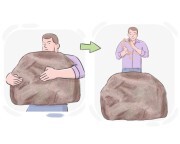
navzdory, přestože

Ex: The business thrived despite the economic downturn. 
education
education
[Podstatné jméno]

knowledge acquired by learning and instruction

vzdělání,  výuka

vzdělání, výuka

with time
with time
[Příslovce]

gradually as time passes

časem

časem

Ex: The colors faded with time. 
to overcome
to overcome
[sloveso]

to succeed in solving, controlling, or dealing with something difficult

překonat, zvítězit

překonat, zvítězit

Ex: She overcame obstacles in her career by demonstrating resilience and determination. 
oil painting
oil painting
[Podstatné jméno]

a work of art created using oil-based paints

olejomalba, olejový obraz

olejomalba, olejový obraz

Ex: The museum restored an oil painting damaged by humidity. 

Muzeum restaurovalo olejomalbu poškozenou vlhkostí.

mural
mural
[Podstatné jméno]

a large painting done on a wall

nástěnná malba, mural

nástěnná malba, mural

Ex: The ancient cave paintings discovered in France are some of the earliest known examples of murals depicting daily life and hunting scenes. 

Starověké jeskynní malby objevené ve Francii jsou jedny z nejstarších známých příkladů nástěnných maleb zobrazujících každodenní život a lovecké scény.

discovery
discovery
[Podstatné jméno]

the act of finding something for the first time and before others

objev, nález

objev, nález

Ex: The discovery of penicillin revolutionized medicine by introducing the first antibiotic. 
hub
hub
[Podstatné jméno]

a central or focal point of activity, importance, or connection

centrum, uzel

centrum, uzel

Ex: The new shopping mall has become a hub for social activities in the area. 

Nové nákupní centrum se stalo centrem společenských aktivit v oblasti.

LanGeek
Stáhnout aplikaci LanGeek