pattern

Słownictwo Azji Południowej i Centralnej - Afganistan

Przegląd

Fiszki

formy

Pisownia

Test

Zacznij naukę
South and Central Asia Vocabulary
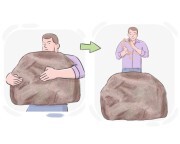
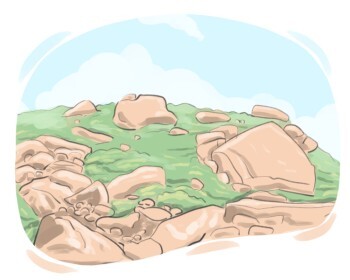
rugged
rugged
[przymiotnik]

(of land or terrain) rough, uneven, and often difficult to navigate, with features such as steep slopes or rocky surfaces

wyboisty, stromy

wyboisty, stromy

Ex: They navigated the rugged hills with great difficulty. 

Przebyli wyboiste wzgórza z wielkim trudem.

diverse
diverse
[przymiotnik]

showing a variety of distinct types or qualities

różnorodny, zróżnicowany

różnorodny, zróżnicowany

Ex: The museum's collection includes diverse artworks from around the world. 

Kolekcja muzeum obejmuje różnorodne dzieła sztuki z całego świata.
fascinating
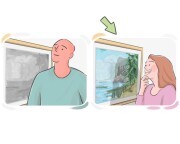
fascinating
[przymiotnik]

extremely interesting or captivating

fascynujący, porywający

fascynujący, porywający

Ex: The scientist's discoveries about space are truly fascinating, expanding our understanding of the universe. 

Odkrycia naukowca dotyczące kosmosu są naprawdę fascynujące, poszerzając nasze rozumienie wszechświata.

harsh
harsh
[przymiotnik]

unpleasantly strong, bright, loud, bitter, or otherwise offensive to the senses

ostry,  surowy
ostry, surowy

Ex: The wine had a harsh taste that softened after a few minutes. 
landscape
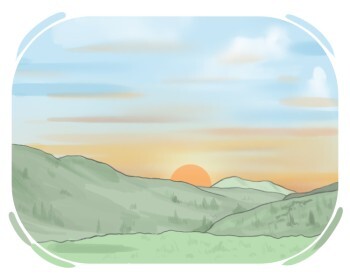
landscape
[Rzeczownik]

an area of scenery visible in a single view

krajobraz, panorama
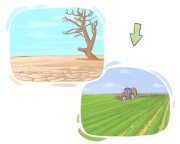
krajobraz, panorama

Ex: The hikers admired the mountain landscape at sunrise. 
fertile
fertile
[przymiotnik]

(of land or soil) able to produce crops or plants well

żyzny

żyzny

Ex: Fertile regions attract settlers and agricultural development due to their potential for high crop yields and sustainable farming practices. 

Żyzne regiony przyciągają osadników i rozwój rolnictwa ze względu na ich potencjał wysokich plonów i zrównoważonych praktyk rolniczych.
valley
valley
[Rzeczownik]

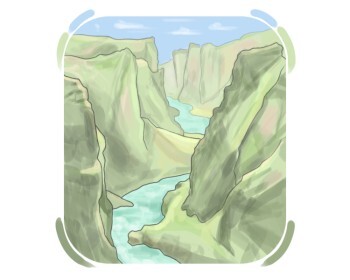
a low area of land between mountains or hills, often with a river flowing through it

dolina, kotlina

dolina, kotlina

Ex: The sun set behind the hills, casting long shadows over the valley. 
invader
invader
[Rzeczownik]

a person or group that enters a place by force to take control

najeźdźca, okupant

najeźdźca, okupant

Ex: Citizens fled when the invader approached. 

Obywatele uciekli, gdy najeźdźca się zbliżył.

terrain
terrain
[Rzeczownik]

an area of land, particularly in reference to its physical or natural features

teren, krajobraz

teren, krajobraz

Ex: The diverse terrain of the national park attracted outdoor enthusiasts seeking adventure, from dense forests to rocky cliffs and serene lakes. 

Różnorodny teren parku narodowego przyciągał miłośników outdooru poszukujących przygód, od gęstych lasów po skaliste klify i spokojne jeziora.

to resist
to resist
[Czasownik]

to withstand or endure something, particularly a force, influence, or pressure

opierać się, wytrzymywać

opierać się, wytrzymywać

Ex: The paint can resist extreme temperatures without peeling. 
power
power
[Rzeczownik]

a nation with significant influence and authority on a global scale

mocarstwo, supermocarstwo
mocarstwo, supermocarstwo

Ex: The United States is considered a major power in international politics. 
steep
steep
[przymiotnik]

(of a slope or surface) rising or falling at a sharp angle

Ex: Their house stands on a steep slope overlooking the sea. 
to [stand] still

to stop changing, developing, or making progress

Ex: Without new ideas, the organization risks standing still. 
remote
remote
[przymiotnik]

far away in distance or position

odległy,  daleki
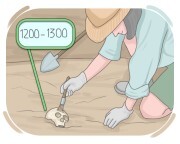
odległy, daleki

Ex: The research station is remote from the country's main cities. 
to date back
to date back
[Czasownik]

to have origins or existence that extends to a specific earlier time

sięgać czasów, pochodzić z

sięgać czasów, pochodzić z

Ex: The manuscript discovered in the library archives dates back to the medieval period. 

Rękopis odkryty w archiwach biblioteki pochodzi z okresu średniowiecza.

over time
over time
[przysłówek]

as time passes or progresses

z czasem, w miarę upływu czasu

z czasem, w miarę upływu czasu

Ex: Over time, the company expanded its operations internationally. 

Z czasem firma rozszerzyła swoją działalność na arenie międzynarodowej.

to [leave] {one's} mark

to have a powerful and lasting effect on someone or something

odcisnąć swoje piętno, pozostawić trwały ślad

odcisnąć swoje piętno, pozostawić trwały ślad

Ex: That accident left a mark on him, both physically and emotionally. 

Ten wypadek odcisnął na nim piętno, fizycznie i emocjonalnie.

arrival
arrival
[Rzeczownik]

the act of something or someone emerging or appearing such as a new product or development

przybycie, pojawienie się

przybycie, pojawienie się

Ex: Many jobs disappeared after the arrival of automated systems. 
to follow
to follow
[Czasownik]

to conform and adhere to the principles, practices, or guidelines established by someone or something

podążać, przestrzegać
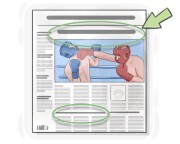
podążać, przestrzegać

Ex: She follows a vegan lifestyle, avoiding all animal products. 
major
major
[przymiotnik]

serious and of great importance

ważny, poważny
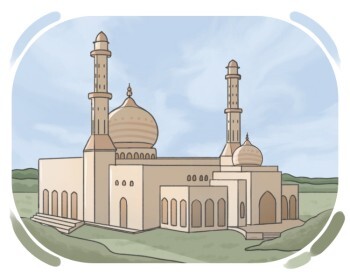
ważny, poważny

Ex: The major issue facing the city is the lack of affordable housing. 
mosque
mosque
[Rzeczownik]

a place of worship, used by Muslims

meczet, muzułmańskie miejsce kultu

meczet, muzułmańskie miejsce kultu

Ex: The mosque's dome was adorned with intricate geometric patterns and calligraphy. 

Kopuła meczetu była ozdobiona skomplikowanymi wzorami geometrycznymi i kaligrafią.

battleground
battleground
[Rzeczownik]

a region where a battle is being (or has been) fought

pole bitwy, teren walki

pole bitwy, teren walki

withdrawal
withdrawal
[Rzeczownik]

the act or process of removing something, moving it away, or ending its provision

wycofanie,  wycofywanie

wycofanie, wycofywanie

Ex: Emma objected to the withdrawal of several services from the neighborhood. 
civil war
civil war
[Rzeczownik]

a war that is between people who are in the same country

wojna domowa, konflikt wewnętrzny

wojna domowa, konflikt wewnętrzny

Ex: The Syrian Civil War has caused a humanitarian crisis with millions displaced and seeking refuge in neighboring countries. 

Syryjska wojna domowa spowodowała kryzys humanitarny, w wyniku którego miliony osób zostały przesiedlone i szukają schronienia w sąsiednich krajach.

to remove
to remove
[Czasownik]

to take away or eliminate something, often permanently

usunąć, wyeliminować
usunąć, wyeliminować

Ex: The teacher announced plans to remove outdated textbooks from the curriculum and replace them with newer editions. 
ethnic group
ethnic group
[Rzeczownik]

a group of people who share a common culture, language, religion, or ancestry

grupa etniczna, etnos

grupa etniczna, etnos

Ex: Each ethnic group contributes to the nation’s diversity. 

Każda grupa etniczna przyczynia się do różnorodności narodu.
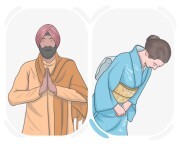
custom
custom
[Rzeczownik]

a way of behaving or of doing something that is widely accepted in a society or among a specific group of people

zwyczaj, obyczaj
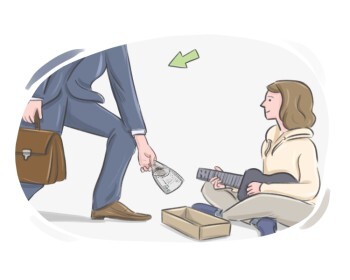
zwyczaj, obyczaj

Ex: It is a custom in Japan to take off your shoes before entering a house. 
hospitality
hospitality
[Rzeczownik]

kindness in welcoming guests or strangers

gościnność

gościnność

generous
generous
[przymiotnik]

having a willingness to freely give or share something with others, without expecting anything in return

hojny,  szczodry

hojny, szczodry

Ex: The generous tip left by the satisfied customer reflected their appreciation for the exceptional service they received. 

Hojny napiwek pozostawiony przez zadowolonego klienta odzwierciedlał ich uznanie za wyjątkową obsługę, którą otrzymali.

welcoming
welcoming
[przymiotnik]

showing warmth and friendliness to a guest or visitor

gościnny, serdeczny

gościnny, serdeczny

Ex: The restaurant's staff were known for their welcoming demeanor, making diners feel valued and appreciated. 

Personel restauracji był znany ze swojego przyjaznego usposobienia, sprawiając, że goście czuli się doceniani i wartościowi.

to treat to
to treat to
[Czasownik]

to provide someone with something special, often as a gesture of kindness or generosity

poczęstować, ugościć

poczęstować, ugościć

Ex: She treated herself to a relaxing spa day. 

Potraktowała się relaksującym dniem w spa.
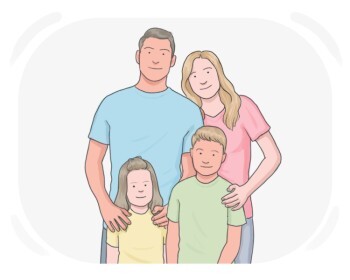
household
household
[Rzeczownik]

all the people living in a house together, considered as a social unit

gospodarstwo domowe, rodzina
gospodarstwo domowe, rodzina

Ex: The entire household gathered in the living room to discuss the upcoming family vacation. 
cuisine
cuisine
[Rzeczownik]

a method or style of cooking that is specific to a country or region

kuchnia

kuchnia

Ex: The local food festival showcased the best of regional cuisine with food from different cultures. 

Lokalny festiwal żywności zaprezentował najlepsze z regionalnej kuchni z jedzeniem z różnych kultur.

rich
rich
[przymiotnik]

possessing or providing an abundance of resources or qualities

bogaty, obfity

bogaty, obfity

Ex: The region is rich in natural resources. 
raisin
raisin
[Rzeczownik]

a dried grape, often used in baking, cooking, or as a snack

rodzynek, suszone winogrono

rodzynek, suszone winogrono

Ex: The child picked out all the raisins from his cookie. 

Dziecko wybrało wszystkie rodzynki ze swojego ciastka.

tunic
tunic
[Rzeczownik]

a hip-length loose-fitting blouse that women wear with pants or a skirt

tunika, długa bluzka

tunika, długa bluzka

to spin
to spin
[Czasownik]

to turn around and around rapidly

obracać się

obracać się

Ex: The car hit a patch of ice and spun across the road. 
due to
due to
[Przyimek]

as a result of a specific cause or reason

z powodu, z uwagi na

z powodu, z uwagi na

Ex: The increase in prices was due to inflation. 

Wzrost cen był spowodowany inflacją.

agriculture
agriculture
[Rzeczownik]

the business of using the land to grow and take care of crops and livestock

rolnictwo
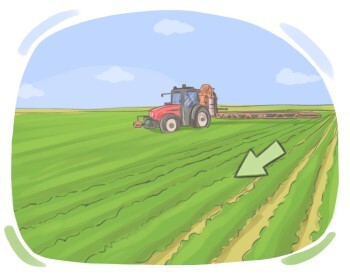
rolnictwo

Ex: The drought caused serious problems for agriculture. 
crop
crop
[Rzeczownik]

a plant that is grown for food over large areas of land

uprawa, plon

uprawa, plon

Ex: The farmers planted a new crop of wheat this season. 
pomegranate
pomegranate
[Rzeczownik]

a round fruit with a thick red skin, containing many red edible seeds that are of sour or sweet taste

granat, owoc granatu

granat, owoc granatu

Ex: She admired the vibrant red color of the pomegranate as she prepared to open it. 

Podziwiała żywy czerwony kolor granatu, przygotowując się do jego otwarcia.

grape
grape
[Rzeczownik]

a purple or green fruit that is round, small, and grows in bunches on a vine

winogrono, grono
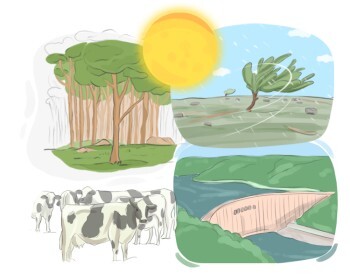
winogrono, grono

Ex: I enjoy relaxing with a glass of red wine made from the finest grapes. 
resource
resource
[Rzeczownik]

(usually plural) a country's gas, oil, trees, etc. that are considered valuable and therefore can be sold to gain wealth

zasób, bogactwo naturalne

zasób, bogactwo naturalne

Ex: The country's natural resources include oil, natural gas, and minerals. 
mineral
mineral
[Rzeczownik]

a naturally occurring inorganic solid with a characteristic chemical composition and physical structure

minerał

minerał

Ex: The rock contains several different minerals, including feldspar and mica. 
copper
copper
[Rzeczownik]

a reddish-brown metallic chemical element that conducts heat and electricity well and is widely used in electrical wiring and alloys

miedź,  miedź czerwona

miedź, miedź czerwona

Ex: Copper conducts both heat and electricity efficiently. 
mining
mining
[Rzeczownik]

the activity or industry of extracting minerals and other valuable materials from the earth

górnictwo,  wydobycie
górnictwo, wydobycie

Ex: The government introduced stricter safety rules for underground mining. 
despite
despite
[Przyimek]

used to show that something happened or is true, even though there was a difficulty or obstacle that might have prevented it

pomimo, mimo

pomimo, mimo

Ex: The business thrived despite the economic downturn. 
education
education
[Rzeczownik]

knowledge acquired by learning and instruction

edukacja,  nauczanie

edukacja, nauczanie

with time
with time
[przysłówek]

gradually as time passes

z czasem

z czasem

Ex: With time, people adapted to the new system. 
to overcome
to overcome
[Czasownik]

to succeed in solving, controlling, or dealing with something difficult

pokonać, przezwyciężyć

pokonać, przezwyciężyć

Ex: She overcame obstacles in her career by demonstrating resilience and determination. 
oil painting
oil painting
[Rzeczownik]

a work of art created using oil-based paints

obraz olejny, malarstwo olejne

obraz olejny, malarstwo olejne

Ex: He admired the texture of brushstrokes in the oil painting. 

Podziwiał fakturę pociągnięć pędzla w obrazie olejnym.

mural
mural
[Rzeczownik]

a large painting done on a wall

mural, malowidło ścienne

mural, malowidło ścienne

Ex: The graffiti artist gained recognition for their striking murals that appeared overnight on city walls, sparking conversations about urban art. 

Artysta graffiti zyskał uznanie za swoje uderzające murale, które pojawiły się z dnia na dzień na miejskich ścianach, wywołując rozmowy o sztuce miejskiej.

discovery
discovery
[Rzeczownik]

the act of finding something for the first time and before others

odkrycie, znalezisko

odkrycie, znalezisko

Ex: The discovery of penicillin revolutionized medicine by introducing the first antibiotic. 
hub
hub
[Rzeczownik]

a central or focal point of activity, importance, or connection

centrum, ośrodek

centrum, ośrodek

Ex: The university is a hub for research and academic excellence. 

Uniwersytet jest ośrodkiem badań i doskonałości akademickiej.

Słownictwo Azji Południowej i Centralnej
IndiePakistanAfganistanBangladesz
BhutanTadżykistanKazachstanUzbekistan
KirgistanNepal
LanGeek
Pobierz aplikację LanGeek