


showing a variety of distinct types or qualities

různorodý, rozmanitý
Festival představil různé hudební žánry.

an area of scenery visible in a single view
krajina, panoráma
Zahrada byla navržena tak, aby zdůraznila přírodní krajinu.
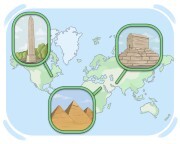
the customs, traditions, rituals, and behaviors that are inherited and preserved within a community or society over time
dědictví, kulturní dědictví
Dědictví města se odráží v jeho starověkých budovách a festivalech.

connected with or pertaining to language in general
jazykovědný, jazykový
Festival oslavil jazykové dědictví.
to serve as an instance that embodies the characteristics, qualities, or traits associated with a particular category or concept
reprezentovat, symbolizovat
Její oddanost komunitní službě a filantropii skutečně představuje ducha altruismu a soucitu.
(of plants) existing and growing densely close together with little space in between, creating a lush and impenetrable area
hustý, silný
Objevitelé se ztratili v hustém lese a nemohli najít cestu ven.
found only in small numbers so considered interesting or valuable
vzácný, cenný
Muzeum vystavovalo vzácné artefakty z dávných civilizací, každý považovaný za neocenitelný kvůli své vzácnosti.
used to describe something that exists, grows, etc.
najít, objevit
Další informace lze najít v uživatelské příručce.
(of a volcano) currently showing signs of volcanic activity or having the potential to become active soon
aktivní, činný
Vulkanologové byli překvapeni, když se dříve klidná sopka přes noc stala aktivní.
to possess or exhibit a specific vertical height
měřit, mít
to walk upward or ascend a slope, hill, or mountain
stoupat, vystoupat
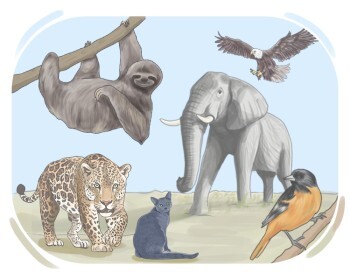
all wild animals, considered as a whole, living in the natural environment
divoká zvěř, fauna
Vláda přijala zákony na ochranu místní divočiny.
to demand something as one's rightful possession
nárokovat, požadovat
any territory under the full or partial control of another more powerful nation, often occupied by settlers from that nation
kolonie, území pod kontrolou
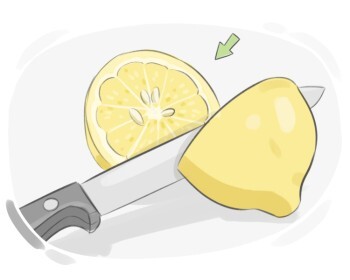
to separate people or things into two or more groups, parts, etc.
dělit, oddělit
Projev politika rozdělil veřejné mínění v této otázce.
the state of being free from the control of others
nezávislost, autonomie
Mnoho lidí usiluje o nezávislost ve své kariéře, usiluje o soběstačnost.
a governing system in which the supreme power is held by people and their chosen representatives
republika, republika
Republika oslavila svůj den nezávislosti velkou přehlídkou.
a mixture in which different elements are combined evenly
směs, blend
Víno bylo pečlivou směsí několika odrůd hroznů.
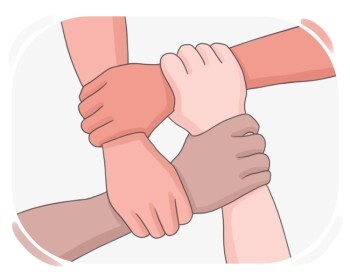
a group of people who share a common culture, language, religion, or ancestry
etnická skupina, etnikum
Některé etnické skupiny mají odlišná náboženská přesvědčení.

to show a lot of respect for someone or something
ctít, projevovat úctu
Škola uctila odcházející učitelku upřímnou poctou za její roky oddané služby.

a blood relative who lived a long time ago, usually before one's grandparents
předek, prarodič
Sdíleli příběhy o svých předcích a předávali rodinnou historii mladší generaci.

a way of behaving or of doing something that is widely accepted in a society or among a specific group of people
zvyk, tradice
Zvyk odpoledního čajování je stále populární v některých částech Spojeného království.
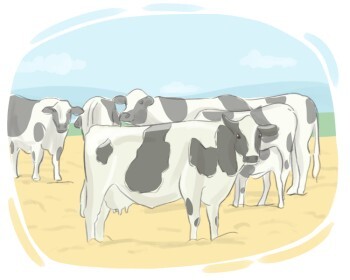
large farm animals, such as cows and bulls, raised for meat, milk, or labor
dobytek, skot
Koupil více dobytek, aby rozšířil své podnikání.
the activity of guiding, managing, and caring for groups of livestock

related or belonging to a particular area or place that someone lives in or mentions
místní, regionální
Místní pekárna je známá svým čerstvě upečeným chlebem a pečivem.

a food item that forms part of a recipe or culinary mixture
přísada, složka
Každá složka byla před smícháním pečlivě zvážena.

having a strong taste that is unpleasant and not sweet
hořký, ostrý
Navzdory své hořké chuti ocenil zdravotní výhody konzumace kapusty ve svém salátu.
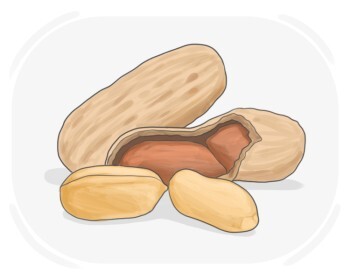
a type of nut that could be eaten, growing underground in a thin shell
arašíd, burský oříšek
Recept na dort vyžaduje šálek arašídového másla.
cooked in extremely hot liquids
vařený, uvařený
Vařené kuře bylo roztrháno na kousky a použito jako základ pro chutné jídlo.

a cooking banana that is starchy and grows in tropical regions
plantain, zeleninový banán
Rád smažím plantainy, dokud nezezlátnou, a užívám si je jako chutnou přílohu.

shredded into small pieces or fine fragments, typically using a grater
nastrouhaný, strouhaný
Nastrouhaný zázvor dodal omáčce na smažení pikantní chuť.
used or consumed regularly by many people as a fundamental part of daily life
základní, hlavní
Káva je základním nápojem pro mnoho lidí, aby začali svůj den.

associated with or characteristic of the tropics, regions of the Earth near the equator known for their warm climate and lush vegetation
tropický, rovníkový
Tropické slunce poskytuje hojnost tepla a energie pro fotosyntézu rostlin.

an object or device used for producing music, such as a violin or a piano
nástroj, hudební nástroj
Pro hraní na flétnu, nástroj z rodiny dřevěných dechových nástrojů, musíte ovládnout umění ovládání dechu.
a strong repeated pattern of musical notes or sounds
rytmus, takt
Pochodová kapela následovala přesný rytmus.
(of music, movement, etc.) quick, spirited, and exciting
živý, čilý
Děti tleskaly živé písni.
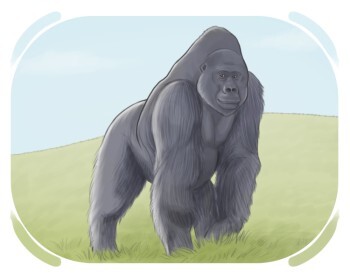
an African ape which has a large head and short neck that looks like a monkey with no tail
gorila
Gorily vykazují složité sociální chování, včetně vokalizací, gest a výrazů obličeje, aby komunikovaly ve svých skupinách.
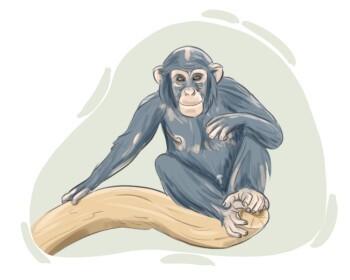
an intelligent ape, with mainly black fur, which has no tail and is native to the forests of western and central Africa
šimpanz, lidoop
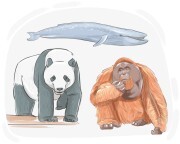
(of an animal, plant, etc.) being at risk of extinction
ohrožený
Klimatické změny představují významnou hrozbu pro mnoho ohrožených druhů tím, že mění jejich stanoviště a zdroje potravy.
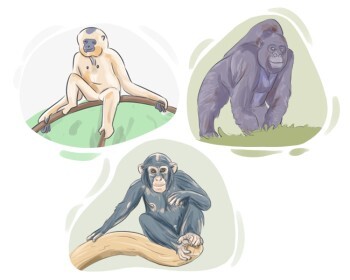
any mammalian animal that belongs to the same group as humans, such as monkeys, apes, lemurs, etc.
primát, opice

someone who makes efforts to protect the environment and wildlife from any type of harm
ochránce přírody, environmentalista
Ochranář úspěšně vedl kampaň za založení přírodních rezervací v ohrožených oblastech.
the environment where a plant or animal species normally lives and grows, with the conditions that suit its needs
přirozené prostředí, přirozený habitat
Odstranění stromů narušilo přirozené prostředí druhu.
a person who identifies and studies birds in their natural habitats
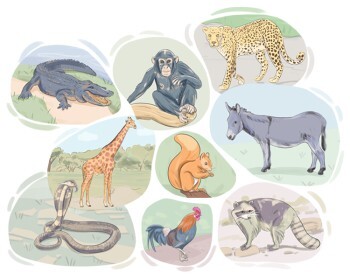
a group that animals, plants, etc. of the same type which are capable of producing healthy offspring with each other are divided into
druh, druhy
Monarcha stěhovavý je druh motýla, který každý rok migruje tisíce mil.
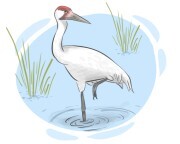
a large, long-necked wading bird, typically found in marshes, wetlands, and plains worldwide
jeřáb, jeřáb popelavý
Jeřábi často hnízdí v mokřadech a rákosinách.

a tropical bird with bright colors and a curved beak that can be trained to mimic human speech
papoušek, andulka
Koupil mluvícího papouška, který uměl opakovat základní fráze.
a lake that can suddenly release large amounts of gas or water, causing violent eruptions or explosions
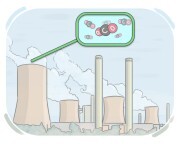
a type of gas with no color and smell that is produced by burning carbon or during breathing out
oxid uhličitý, kysličník uhličitý
Spalování fosilních paliv vytváří oxid uhličitý.

able to cause death
smrtelný, smrtonosný
Přežil smrtelný pád z útesu.
to try to do or accomplish something, particularly something difficult

to set a piece of equipment in place and make it ready for use
nainstalovat, namontovat
Pro zlepšení energetické účinnosti se rozhodli nainstalovat solární panely na střechu.

the necessary things that you need for doing a particular activity or job
vybavení, zařízení
Filmový tým vyložil filmové vybavení, aby se připravil na natáčení.
| Slovní zásoba východní a střední Afriky | |||
|---|---|---|---|
| Keňa | Tanzanie | Uganda | Etiopie |
| Rwanda | Somálsko | Středoafrická republika | Rovníková Guinea |
| Kamerun | Demokratická republika Kongo | ||
