
Základní vědy - Astronomie
Studujte termíny týkající se nebeských objektů, galaxií, kosmických jevů, fází Měsíce, zatmění a astronomického pozorování.
Revize
Kartičky
Pravopis
Kvíz

a scientist who studies or observes planets, stars, and other happenings in the universe

astronom
Moderní astronomové používají počítačové simulace a matematické modely k předpovědi nebeských událostí a jevů.
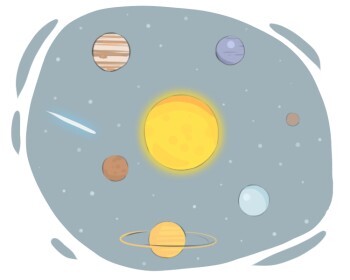
a huge round object that moves in an orbit, around the sun, or any other star
planeta, nebeské těleso
Saturnovy prstence z něj dělají jednu z nejvíce vizuálně výrazných planet v naší sluneční soustavě.

a planet that is outside the solar system
exoplaneta, mimozemská planeta
Vědci používají pokročilé dalekohledy a observatoře k detekci slabých signálů exoplanet obíhajících vzdálené hvězdy.
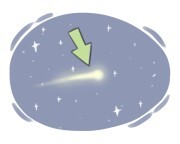
an object in space that is a mass of ice and dust and when it nears the sun it starts illuminating in the shape of a tail
kometa
Vzhled jasné komety na noční obloze často přitahuje pozornost amatérských astronomů i pozorovatelů hvězd.
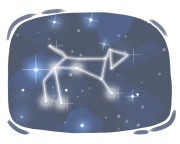
a specific group of stars that form a pattern and have a name related to their shape
souhvězdí, skupina hvězd
Souhvězdí Kasiopeja tvoří výrazný tvar "W" na severní obloze.
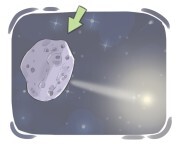
any of the rocky bodies orbiting the sun, ranging greatly in diameter, also found in large numbers between Jupiter and Mars
asteroid, kamenné nebeské těleso
Některé asteroidy obsahují cenné minerály a zdroje, které by mohly být v budoucnu těženy.
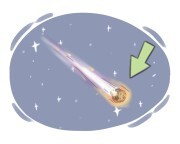
a usually small meteor that burns with a bright light when entering the earth's atmosphere
padající hvězda, meteor
Padající hvězda zmizela během několika vteřin a zanechala po sobě jen krátkou stopu světla.
an exploding star that as a result is emitting a very large amount of light, more than the sun
supernova
Supernovy uvolňují obrovské množství energie, vytvářejí těžké prvky nezbytné pro formování planet.
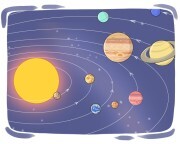
a natural body in space that moves around the earth or other planets
družice, měsíc
Měsíc je satelitem Země, obíhá naši planetu a ovlivňuje příliv a odliv.
(astronomy) a small, cool, faint star that is much less massive than the Sun and burns its fuel very slowly
a small, dense, and faint stellar remnant that is left after a medium-sized star exhausts the nuclear fuel in its core and undergoes gravitational collapse
bílý trpaslík, hvězda bílý trpaslík
Ačkoli malé, bílí trpaslíci mohou být docela horkí, vyzařují záření v širokém spektru včetně viditelného světla.
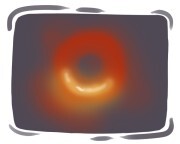
a place in the space with such high gravity that pulls in everything, even light
černá díra, temná díra
Hranice obklopující černou díru, za kterou nic nemůže uniknout, se nazývá horizont událostí.
(physics) a theoretical tunnel through space-time that could connect two distant points in the universe
very small particles originally derived from stars, serving as raw material for forming planets, and existing between galaxies, stars, and other celestial bodies
kosmický prach, hvězdný prach
Kosmický prach lze detekovat pomocí různých metod, včetně infračerveného a mikrovlnného pozorování, které odhalují jeho přítomnost a složení v různých oblastech vesmíru.
(physics) an invisible substance that makes up most of the universe's mass, detectable only through its gravitational effects
temná hmota, černá hmota
Byly navrženy různé teorie, které vysvětlují identitu částic temná hmota, ale přesvědčivé důkazy dosud nebyly nalezeny.

a large number of star systems bound together by gravitational force
galaxie
Pozorování vzdálených galaxií pomáhá astronomům pochopit raný vesmír a procesy, které vedly k formování galaxií.
a pale band of light seen in the sky at night that contains the solar system and billions of other stars
Mléčná dráha, Galaxie
Starověké kultury pozorovaly Mléčnou dráhu a začleňovaly ji do svých mýtů a legend.
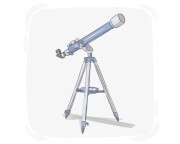
a piece of equipment by which the far objects, particularly those in space, are made clearly visible
teleskop, dalekohled
Koupili si dalekohled, aby zlepšili své pozorování noční oblohy.
the outer layer of the Sun's atmosphere, observable as a plasma halo during a solar eclipse
koróna, vnější atmosféra Slunce
Magnetická pole koróny přispívají k tvorbě slunečních protuberancí a erupcí.
related to the sun
solární, heliocentrický
Solární panely přeměňují sluneční světlo na elektřinu.

a single ray or beam of sunlight
the highest point that a certain celestial body reaches, directly above an observer
zenit, nejvyšší bod
Teleskop byl upraven tak, aby sledoval planety, když se blížily k jejich zenitu.
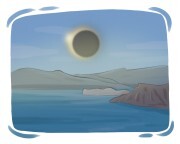
a period during which the sun or moon is temporarily obscured by the shadow of another celestial body
zatmění, okultace
Během zatmění se obloha zatměla i v poledne.

a curved shape with narrow points at the ends that appears wider in the middle, like the shape of the moon in its first and last quarters
půlměsíc, srpek měsíce
Půlměsíc nového měsíce byl sotva viditelný proti soumračné obloze.

the complete and round-shaped moon as seen from the earth
úplněk, plný měsíc
Lidé se shromáždili na pláži, aby sledovali východ úplňku nad obzorem.
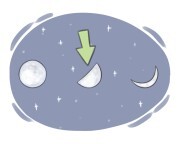
the moon when only half of its bright surface can be seen from the earth
půlměsíc, srpek měsíce
Noční běžci si užili svůj běh pod jemnou září půlměsíce.
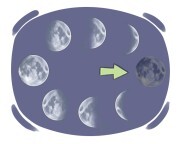
the moon when only a small portion of its bright side is visible from the earth
nov, mladý měsíc
Astronomové studují zarovnání nebeských těles během novoluní, aby pozorovali slabé hvězdy a galaxie.

relating to the moon
měsíční, lunární
Měsíční krátery jsou tvořeny dopady meteoritů na povrch Měsíce.
(of the moon) to gradually decrease in its visible illuminated surface as it progresses from full to new moon
ubývat, snižovat se
Jas měsíce začal ubývat jen několik dní po úplňku.
(of the moon) to progressively display a larger illuminated section until it turns into a full moon
přibývat, růst
Měsíc dorůstá, dosahuje plné jasnosti za přibližně dva týdny.
the distance that light travels in a year (about 9.46 trillion kilometers)
světelný rok, ly
Teleskop zachytil světlo z kvasaru vzdáleného miliardy světelných let.
