

pattern

Klíčová slovní zásoba alkoholických nápojů - Sake

Revize

Kartičky

tvary

Pravopis

Kvíz

Začněte se učit
Key Alcoholic Drinks Vocabulary
sake
sake
[Podstatné jméno]

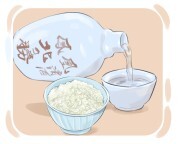
an alcoholic drink made from rice, originated in Japan

sake, japonské rýžové víno
sake, japonské rýžové víno

traditional
traditional
[Přídavné jméno]

belonging to or following the methods or thoughts that are old as opposed to new or different ones

tradiční, klasický
tradiční, klasický

Ex: The company ’s traditional dress code requires formal attire , while other workplaces are adopting casual policies .

Tradiční dress code společnosti vyžaduje formální oblečení, zatímco jiná pracoviště přijímají uvolněné politiky.

Japanese
Japanese
[Přídavné jméno]

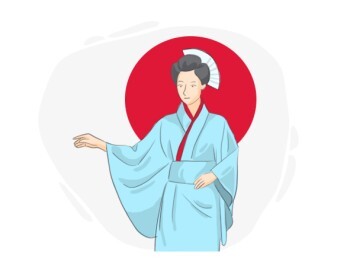
relating to the country, people, culture, or language of Japan

japonský
japonský

Ex: Japanese technology companies are known for their innovation in electronics and robotics .

Japonské technologické společnosti jsou známé svými inovacemi v elektronice a robotice.

drink
drink
[Podstatné jméno]

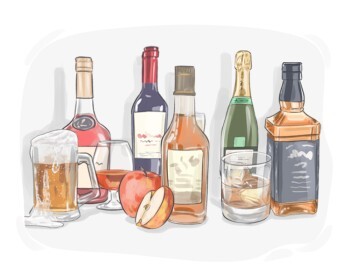
alcohol or an alcoholic beverage, commonly consumed in social gatherings

alkoholický nápoj, drink
alkoholický nápoj, drink

Ex: They stopped at a bar to grab a quick drink before continuing their sightseeing tour .

Zastavili se v baru, aby si dali rychlý nápoj, než pokračovali v prohlídce města.

rice
rice
[Podstatné jméno]

a small and short grain that is white or brown and usually grown and eaten a lot in Asia

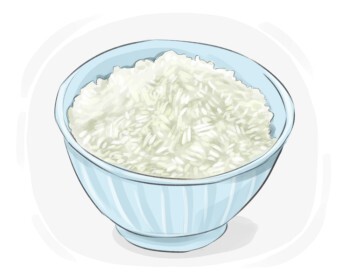
rýže, hnědá rýže

rýže, hnědá rýže

Ex: We had sushi for lunch , which was filled with rice and fresh fish .

Měli jsme k obědu sushi, které bylo plné rýže a čerstvých ryb.

japan
japan
[Podstatné jméno]

a country that is in East Asia and made up of many islands

Japonsko

Japonsko

Ex: Japan's public transportation system is known for its efficiency and punctuality, especially the Shinkansen bullet trains.

Veřejná dopravní síť Japonska je známá svou efektivitou a přesností, zejména vlaky Shinkansen.

year
year
[Podstatné jméno]

a period of time that is made up of twelve months, particularly one that starts on January first and ends on December thirty-first

rok, léto

rok, léto

Ex: The year is divided into twelve months , with each month having its own unique characteristics .

Rok je rozdělen na dvanáct měsíců, každý měsíc má své vlastní jedinečné charakteristiky.

important
important
[Přídavné jméno]

having a lot of value

důležitý, rozhodující
důležitý, rozhodující

Ex: The important issue at hand is ensuring the safety of the workers .

Důležitou otázkou je zajištění bezpečnosti pracovníků.

culture
culture
[Podstatné jméno]

the general beliefs, customs, and lifestyles of a specific society

kultura

kultura

Ex: We experienced the local culture during our stay in Italy .

Zažili jsme místní kulturu během našeho pobytu v Itálii.

special
special
[Přídavné jméno]

different or better than what is normal

zvláštní, speciální

zvláštní, speciální

Ex: The special occasion called for a celebration with family and friends .

Zvláštní příležitost vyžadovala oslavu s rodinou a přáteli.

kind
kind
[Podstatné jméno]

a group of people or things that have similar characteristics or share particular qualities

druh, kategorie

druh, kategorie

Ex: The store sells products of various kinds, from electronics to clothing .

Obchod prodává produkty různých druhů, od elektroniky po oblečení.

different
different
[Přídavné jméno]

not like another thing or person in form, quality, nature, etc.

jiný
jiný

Ex: The book had a different ending than she expected .

Kniha měla jiný konec, než očekávala.

to soak
to soak
[sloveso]

to put something in a liquid for a period of time to allow it to absorb or become saturated

namočit, máčet

namočit, máčet

Ex: He soaked the wooden plank in water to prevent it from drying out .

Namáčel dřevěnou desku ve vodě, aby zabránil jejímu vyschnutí.

to add
to add
[sloveso]

to put something such as an ingredient, additional element, etc. together with something else

přidat, vmíchat

přidat, vmíchat

Ex: Stir-fry the vegetables , then add the tofu .

Opečte zeleninu, poté přidejte tofu.

mold
mold
[Podstatné jméno]

a container or form used to shape food or other materials by pouring them in while liquid, which then hardens into the container's shape

forma, pečicí forma
forma, pečicí forma

Ex: The ice cream was shaped using a plastic mold.

Zmrzlina byla tvarována pomocí plastové formy.

to turn into
to turn into
[sloveso]

to change and become something else

proměnit se v, stát se
proměnit se v, stát se

Ex: The small village has started to turn into a bustling town .

Malá vesnice se začala měnit v rušné město.

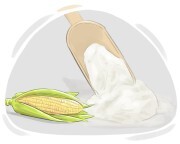
starch
starch
[Podstatné jméno]

a white carbohydrate food substance that exists in flour, potatoes, rice, etc.

škrob, sacharid
škrob, sacharid

Ex: You can use tapioca starch as a gluten-free alternative in baking recipes .

Můžete použít tapiokový škrob jako bezlepkovou alternativu v pekařských receptech.

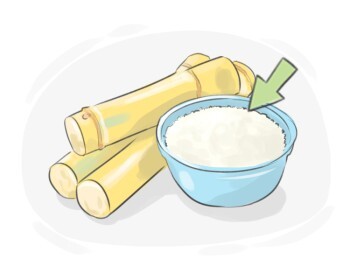
sugar
sugar
[Podstatné jméno]

a sweet white or brown substance that is obtained from plants and used to make food and drinks sweet

cukr, třtinový cukr
cukr, třtinový cukr

Ex: The children enjoyed colorful cotton candy at the fair , made from sugar.

Děti si užily barevnou cukrovou vatu na pouti, vyrobenou z cukru.

yeast
yeast
[Podstatné jméno]

a type of fungus capable of converting sugar into alcohol and carbon dioxide, used in making alcoholic drinks and bread swell

kvasnice, ferment
kvasnice, ferment

Ex: I need to activate the yeast by dissolving it in warm water before adding it to the bread dough .

Potřebuji aktivovat kvasnice rozpuštěním v teplé vodě před přidáním do těsta na chléb.

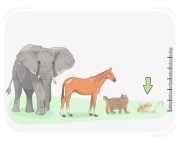
tiny
tiny
[Přídavné jméno]

extremely small

malinký, droboučký

malinký, droboučký

Ex: The tiny kitten fit comfortably in the palm of her hand .

Maličké kotě se pohodlně vešlo do dlaně její ruky.

to sit
to sit
[sloveso]

to be or remain in a specific state or position

zůstat, pobývat

zůstat, pobývat

Ex: The old barn has sat empty for decades , slowly succumbing to decay .

Stará stodola stála prázdná po desetiletí, pomalu podléhající zkáze.

alcohol
alcohol
[Podstatné jméno]

any drink that can make people intoxicated, such as wine, beer, etc.

alkohol
alkohol

Ex: He prefers wine over other types of alcohol.

Upřednostňuje víno před jinými druhy alkoholu.

to separate
to separate
[sloveso]

to divide into distinct parts or groups

oddělit, rozdělit

oddělit, rozdělit

Ex: She separated her finances into different accounts for savings , bills , and discretionary spending .

Oddělila své finance na různé účty pro úspory, účty a volitelné výdaje.

smooth
smooth
[Přídavné jméno]

(of food and drink) having a soft and even texture without any roughness or lumps

hladký, krémový

hladký, krémový

Ex: The smooth smoothie went down easily , with no chunks to interrupt the experience .

Hladký smoothie šel snadno dolů, bez hrudek, které by přerušily zážitek.

to filter
to filter
[sloveso]

to pass through or as if through a filtering device or process

filtrovat, procházet filtrem

filtrovat, procházet filtrem

Ex: The rainwater filtered through the soil , nourishing the plants below .

Dešťová voda se přefiltrovala půdou a vyživovala rostliny pod ní.

to taste
to taste
[sloveso]

to have a specific flavor

ochutnat, mít chuť

ochutnat, mít chuť

Ex: The pastry tasted of flaky butter and sweet cinnamon , melting in your mouth .

Pečivo chutnalo po máslových lupíncích a sladké skořici, rozpouštějící se v ústech.

event
event
[Podstatné jméno]

anything that takes place, particularly something important

událost, akce

událost, akce

Ex: Graduation day is a significant event in the lives of students and their families .

Den promoce je významnou událostí v životě studentů a jejich rodin.

festival
festival
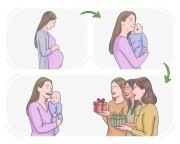
[Podstatné jméno]

a series of performances of music, plays, movies, etc. typically taking place in the same location every year

festival
festival

Ex: They attended a cultural festival held in their town .

Zúčastnili se kulturního festivalu konaného v jejich městě.

tradition
tradition
[Podstatné jméno]

an established way of thinking or doing something among a specific group of people

tradice, zvyk

tradice, zvyk

Ex: Some traditions are deeply rooted in cultural or religious practices .

Některé tradice jsou hluboce zakořeněny v kulturních nebo náboženských praktikách.

history
history
[Podstatné jméno]

a description of a past event available in the form of a writing or recorded voice

historie

historie

Ex: They recorded the history of the company for future generations .

Zaznamenali historii společnosti pro budoucí generace.

to believe
to believe
[sloveso]

to think something is true, even if one is not completely sure

věřit, myslet

věřit, myslet

Ex: ' What 's her favorite food ? ' ' Pasta , I believe. '

'Jaké je její oblíbené jídlo?' 'Těstoviny, věřím.'

religious
religious
[Přídavné jméno]

related to or associated with religion, faith, or spirituality

náboženský, duchovní

náboženský, duchovní

Ex: The architectural style of the building reflected religious influences .

Architektonický styl budovy odrážel náboženské vlivy.

temple
temple
[Podstatné jméno]

a building used for worshiping one or several gods, used by some religious communities, especially Buddhists and Hindus

chrám, svatyně

chrám, svatyně

Ex: He made a pilgrimage to the temple to fulfill a vow made to the deity .

Vykonal pouť do chrámu, aby splnil slib daný božstvu.

national
national
[Přídavné jméno]

relating to a particular nation or country, including its people, culture, government, and interests

národní

národní

Ex: The national economy is influenced by factors such as trade , employment , and inflation .

Národní hospodářství je ovlivněno faktory, jako je obchod, zaměstnanost a inflace.

to celebrate
to celebrate
[sloveso]

to do something special such as dancing or drinking that shows one is happy for an event

oslavovat, slavit

oslavovat, slavit

Ex: They have celebrated the completion of the project with a team-building retreat .

Oslavili dokončení projektu teambuildingovým retreatem.

LanGeek
Stáhnout aplikaci LanGeek