
Klíčová Slovní Zásoba Starověkých Památek - Cairn Barnenez
Revize
Kartičky
tvary
Pravopis
Kvíz

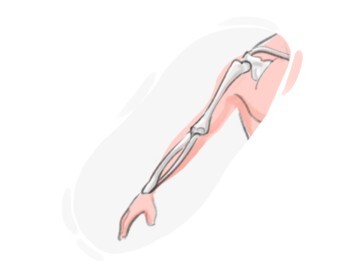
any of the hard pieces making up the skeleton in humans and some animals

kost, lidská kost
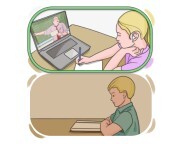
at the present time
dnes, v současnosti
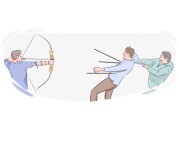
keeping something safe from harm, loss, or danger
chráněný, zabezpečený
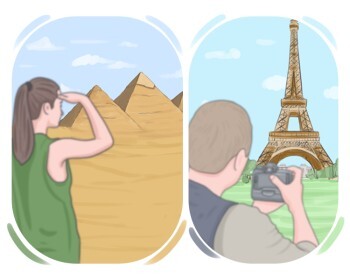
to go somewhere for a short time, especially to see something
navštívit, zavítat

to give a name or title to someone or something
nazývat, jmenovat

the era in human history from which we have no written record
pravěk, prehistorie

a country with a long history and rich culture located in South Eastern Europe and Northern Mediterranean Sea
Řecko, Řecko
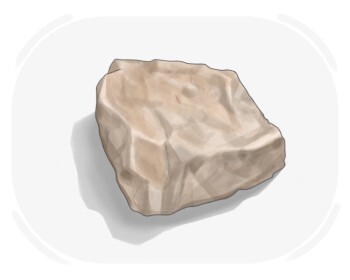
a hard material, usually made of minerals, and often used for building things
kámen
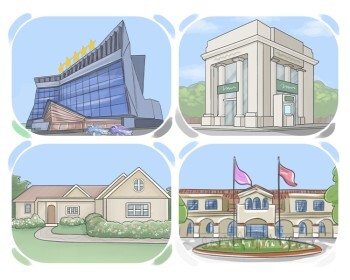
anything that is built from several parts, such as a house, bridge, etc.
struktura, stavba
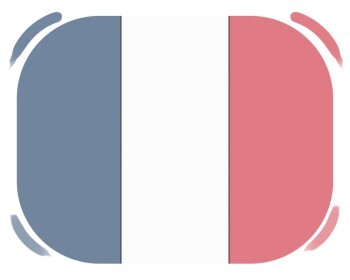
a country in Europe known for its famous landmarks such as the Eiffel Tower
Francie
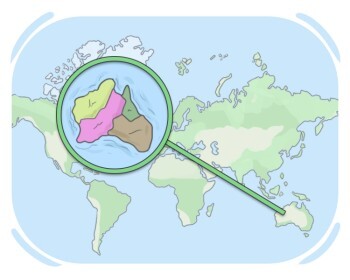
a large area of land or of the world with specific characteristics, which is usually borderless
region, oblast
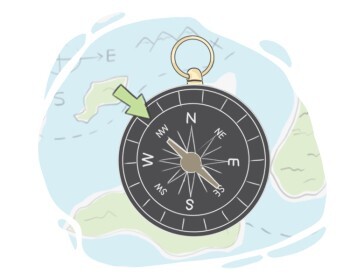
the direction midway between north and west
severozápad, nordwest
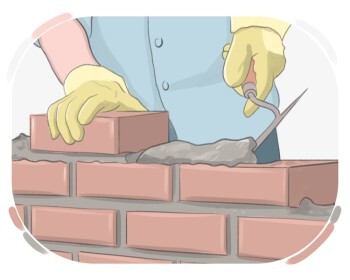
to put together different materials such as brick to make a building, etc.
stavět, budovat
used to express exceeding a particular amount, level, or limit
více než, přes

a structure built in honor of a public figure or a special event
památník
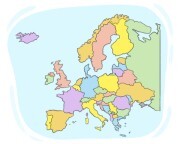
the second smallest continent, next to Asia in the east, the Atlantic Ocean in the west, and the Mediterranean Sea in the south
Evropa
a solid material forming part of the earth's surface, often made of one or more minerals
skála, kámen

to lay things on top of each other
hromadit, skládat

used with a number to show that it is not exact
přibližně, zhruba
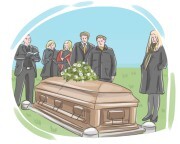
the act of burying a dead body or the ceremony in which a dead body is buried
pohřeb, pohřbení
related to the latest part of the Stone Age when humans used stones as tools and weapons
neolitický, vztahující se k mladší době kamenné
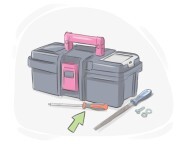
something such as a hammer, saw, etc. that is held in the hand and used for a specific job
nástroj
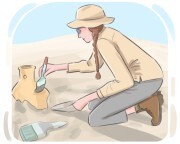
a person whose job is to study ancient societies using facts, objects, buildings, etc. remaining in excavation sites
archeolog
a mound of stones piled up as a memorial or to mark a boundary or path
cairn, kamenná mohyla
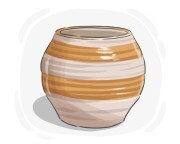
pots, dishes, etc. that are made of clay by hand and then baked in a kiln to be hardened
keramika, hrnčířství
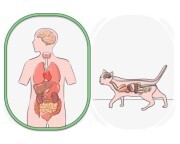
related or belonging to people, not machines or animals
lidský, lidská
| Klíčová Slovní Zásoba Starověkých Památek | |||
|---|---|---|---|
| Velká pyramida v Gíze | Velká čínská zeď | Machu Picchu | Colosseum |
| Stonehenge | Petra | Moai | Akropolis v Athénách |
| Chichén Itzá | Persepolis | Pompeii | Velká sfinga v Gíze |
| Efez | Cairn Barnenez | Kuélap | Velké Zimbabwe |
| Terakotová armáda | Římské fórum | Sigiriya | Tiwanaku |
