
Vocabulario de Puntos de Referencia Antiguos Clave - Cairn de Barnenez
Revisión
Tarjetas de memoria
Ortografía
Cuestionario

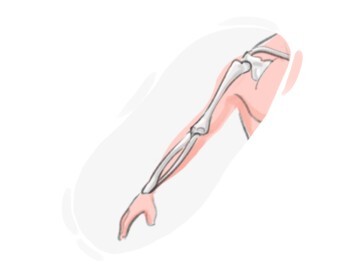
any of the hard pieces making up the skeleton in humans and some animals

hueso

something that is discovered
descubrimiento
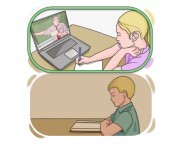
at the present time
hoy en día
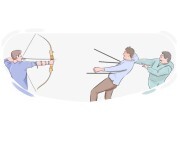
keeping something safe from harm, loss, or danger
protegido, resguardado
El guardia de seguridad se aseguró de que las exhibiciones del museo estuvieran protegidas contra robos o vandalismo durante las horas nocturnas.
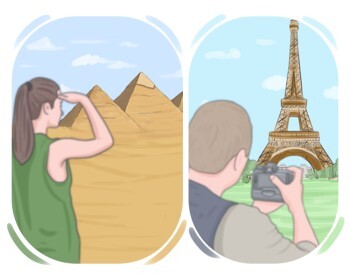
to go somewhere for a short time, especially to see something
visitar
to give a name or title to someone or something
llamar, nombrar

a country in southeastern Europe on the southern part of the Balkan Peninsula
Grecia
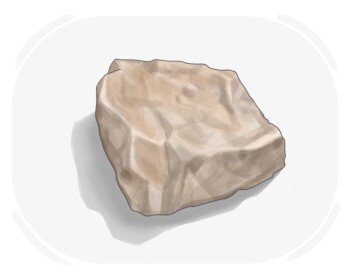
a hard material, usually made of minerals, and often used for building things
piedra
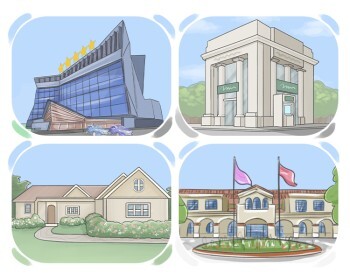
anything that is built from several parts, such as a house, bridge, etc.
estructura
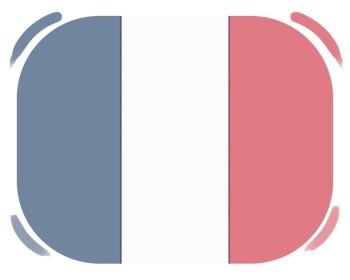
a country in Europe known for its famous landmarks such as the Eiffel Tower
Francia
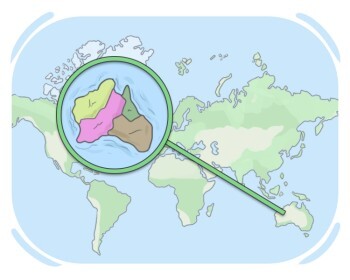
a large area of land or of the world with specific characteristics, which is usually borderless
región, zona
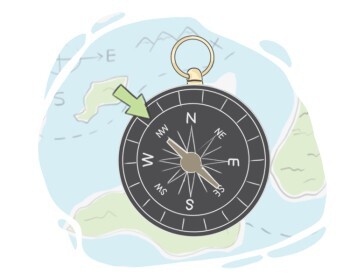
the direction midway between north and west
noroeste
El atardecer es más hermoso cuando se ve desde el noroeste.
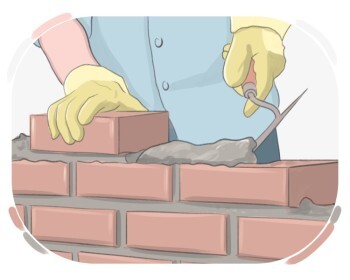
to put together different materials such as brick to make a building, etc.
construir
used to express exceeding a particular amount, level, or limit
más de, por encima de

a structure, statue, or other object built to commemorate a person or important event
monumento
the second smallest continent, next to Asia in the east, the Atlantic Ocean in the west, and the Mediterranean Sea in the south
Europa
a solid material forming part of the earth's surface, often made of one or more minerals
roca, piedra
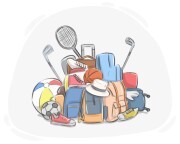
to lay things on top of each other
apilar, amontonar
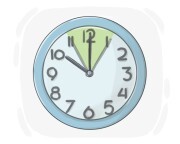
used with a number to show that it is not exact
aproximadamente, alrededor de
El libro cuesta alrededor de 15 $.
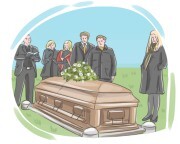
the act of burying a dead body or the ceremony in which a dead body is buried
entierro
related to the latest part of the Stone Age when humans used stones as tools and weapons
neolítico, relacionado con el neolítico
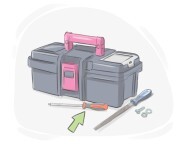
something such as a hammer, saw, etc. that is held in the hand and used for a specific job
herramienta
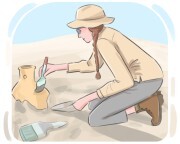
a person whose job is to study ancient societies using facts, objects, buildings, etc. remaining in excavation sites
arqueólogo
a pile of stones built as a monument or as a marker for a route or boundary
cairn, montículo de piedras
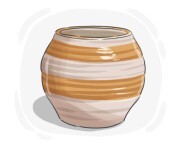
pots, dishes, etc. that are made of clay by hand and then baked in a kiln to be hardened
cerámica, alfarería
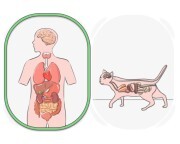
related or belonging to people, not machines or animals
humano
| Vocabulario de Puntos de Referencia Antiguos Clave | |||
|---|---|---|---|
| Gran Pirámide de Guiza | Gran Muralla China | Machu Picchu | Coliseo |
| Stonehenge | Petra | Moai | Acrópolis de Atenas |
| Chichén Itzá | Persépolis | Pompeya | Gran Esfinge de Guiza |
| Éfeso | Cairn de Barnenez | Kuélap | Gran Zimbabue |
| Ejército de Terracota | Foro Romano | Sigiriya | Tiwanaku |
