
Inglés de Cambridge: FCE (B2 First) - Movimiento y movimiento físico
Aprende vocabulario del FCE sobre el movimiento y la locomoción física, incluyendo dirección, velocidad, posición, viaje, gestos, movimiento de objetos y cambios de ubicación.
Revisión
Tarjetas de memoria
formas
Ortografía
Cuestionario


to move or progress at the same rate as someone or something else

mantener el ritmo, seguir el paso
Para tener éxito en el mercado, las empresas necesitan mantenerse al día con las tendencias de los consumidores.
the rate or speed at which something progresses or changes
ritmo, velocidad
the action of moving closer to something in space
acercamiento, aproximación
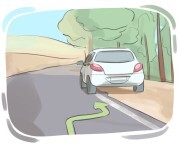
to stop a vehicle, often in a particular location
detener, parar
El agente de tráfico señaló detener los coches para comprobar los documentos válidos.
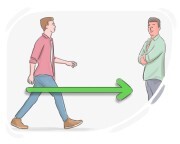
to go close or closer to something or someone
acercarse a

to eventually reach or find oneself in a particular place, situation, or condition, often unexpectedly or as a result of circumstances
acabar, terminar en
Después de varios desvíos, terminamos en la hermosa playa escondida de la que habíamos oído hablar.
(of a vehicle) to start moving forward or away from a place
alejarse, arrancar
Tan pronto como la luz se puso verde, ellos arrancarán.
(of a vehicle) to come to a stop
detenerse, parar el vehículo
Al ver el accidente, varios coches se detuvieron para ofrecer ayuda.
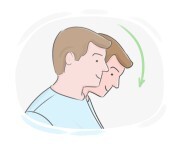
to move one's head up and down as a sign of agreement, understanding, or greeting
asentir con la cabeza
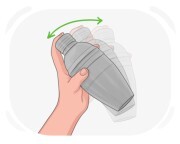
to cause someone or something to move up and down or from one side to the other with short rapid movements
agitar
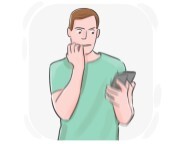
to shake slightly and involuntarily, especially from fear, cold, excitement, weakness, or illness
temblar, estremecerse
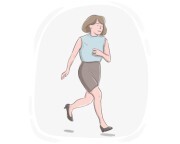
to move in the direction of something
dirigirse hacia, encaminarse a
Los niños se dirigieron al patio de recreo tan pronto como sonó el timbre de la escuela.

to seize and hold someone or something firmly, especially to restrain them or stop their movement
agarrar, coger
