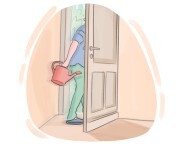
pattern

Inglés de Cambridge: KET (A2 Key) - Viajes y Travesías

Aprende vocabulario KET para viajes y trayectos, incluyendo excursiones, destinos, billetes, equipaje, vacaciones, rutas y situaciones comunes al ir de un lugar a otro.

Revisión

Tarjetas de memoria

formas

Ortografía

Cuestionario

Empezar a aprender
Cambridge English: KET (A2 Key)
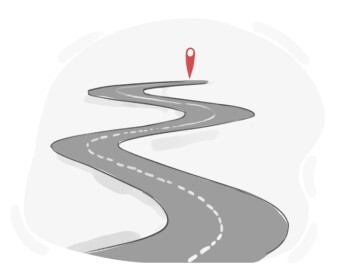
to go
to go
[Verbo]

to move or travel in order to do something specific

ir
ir

Ex: I have to go and visit the doctor for my annual check-up. 
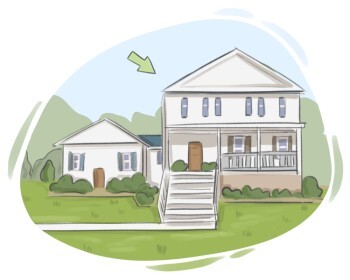
destination
destination
[Sustantivo]

the place to which someone or something is traveling or being sent

destino
destino

Ex: Emma entered the destination into the navigation system. 
accommodation
accommodation
[Sustantivo]

a place where people live, stay, or work in

alojamiento

alojamiento

Ex: The university provides accommodation for students in dormitories and off-campus housing options. 

La universidad proporciona alojamiento para los estudiantes en residencias y opciones de vivienda fuera del campus.
tent
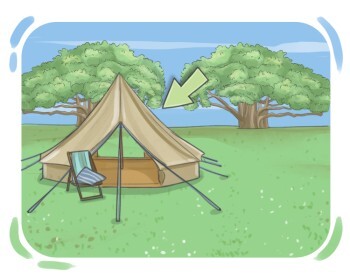
tent
[Sustantivo]

a portable shelter made of fabric stretched over poles or a frame, especially for camping

tienda de campaña
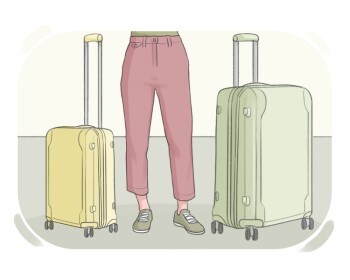
tienda de campaña

Ex: The campers stayed inside their tents during the storm. 
luggage
luggage
[Sustantivo]

suitcases, bags, etc. to keep one's clothes and other belongings while traveling

equipaje

equipaje

Ex: They bought new luggage for their overseas vacation. 

Compraron equipaje nuevo para sus vacaciones en el extranjero.
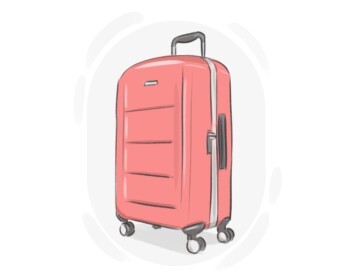
suitcase
suitcase
[Sustantivo]

a case with a handle, used for carrying clothes, etc. when we are traveling

maleta

maleta

Ex: The child sat on top of the suitcase while his dad tried to zip it closed. 

El niño se sentó encima de la maleta mientras su padre intentaba cerrarla.
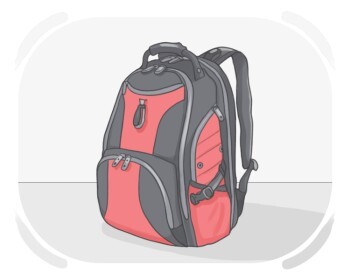
backpack
backpack
[Sustantivo]

a bag designed for carrying on the back, usually used by those who go hiking or climbing

mochila

mochila

Ex: He adjusted the straps of his backpack for a more comfortable fit. 

Ajustó las correas de su mochila para un ajuste más cómodo.
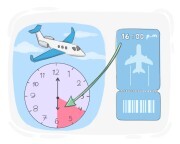
to delay
to delay
[Verbo]

to arrive later than expected or planned

retrasar
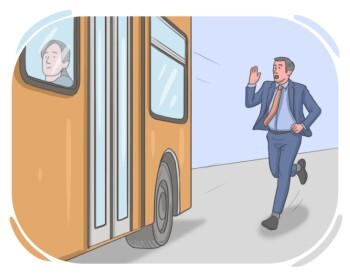
retrasar

Ex: She delays when it's time to leave for school. 
to miss
to miss
[Verbo]

to fail to catch a bus, airplane, etc.

perder
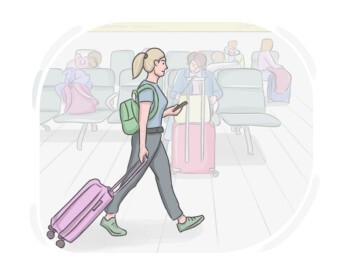
perder

Ex: She missed the school bus because she forgot her backpack. 
trip
trip
[Sustantivo]

a journey that you take for fun or a particular reason, generally for a short amount of time

viaje, excursión

viaje, excursión

Ex: They decided to take a day trip to explore the nearby national park. 
journey
journey
[Sustantivo]

the act of travelling between two or more places, especially when there is a long distance between them

viaje

viaje

Ex: She documented her solo journey through Europe in a travel journal, capturing memories and experiences along the way. 
to travel
to travel
[Verbo]

to go from one location to another, particularly to a far location

viajar
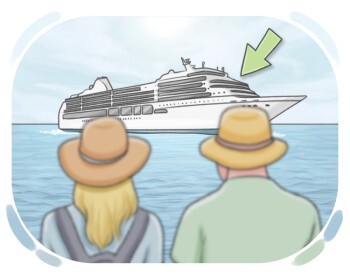
viajar

Ex: They traveled to the mountains to enjoy hiking and skiing. 
to cruise
to cruise
[Verbo]

to travel by ship or boat for pleasure, usually visiting several places

navegar, hacer un crucero

navegar, hacer un crucero

Ex: Daniel wants to cruise through the Caribbean after retirement. 
holiday
holiday
[Sustantivo]

a period of time away from home or work, typically to relax, have fun, and do activities that one enjoys

Vacaciones
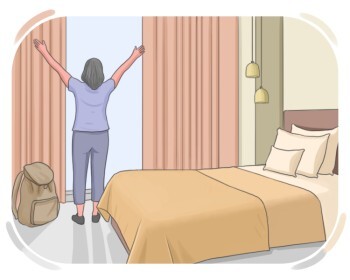
Vacaciones

Ex: Many families plan a holiday at the beach during school breaks. 
to stay
to stay
[Verbo]

to live somewhere for a short time, especially as a guest or visitor

quedarse,  hospedarse

quedarse, hospedarse

Ex: The company arranged for me to stay in a hotel during my business trip. 
explorer
explorer
[Sustantivo]

a person who visits unknown places to find out more about them

explorador

explorador

Ex: Ancient explorers relied on stars and maps to navigate the seas. 

Los antiguos exploradores dependían de las estrellas y los mapas para navegar por los mares.
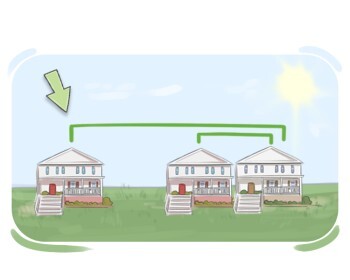
far
far
[Adjetivo]

situated at a considerable distance in space

lejano
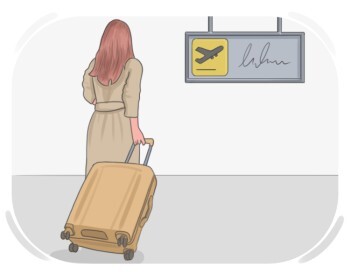
lejano

Ex: The spacecraft traveled to a far corner of the solar system. 
to leave
to leave
[Verbo]

to go away from somewhere

dejar

dejar

Ex: The bus will leave in five minutes, so be quick! 
to move
to move
[Verbo]

to change one's place of residence or work

mudarse, trasladarse
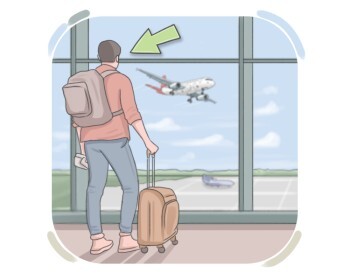
mudarse, trasladarse

Ex: We'll be moving to a different office building next month. 
passenger
passenger
[Sustantivo]

someone traveling in a vehicle, aircraft, ship, etc. who is not the pilot, driver, or a crew member

pasajero

pasajero

Ex: The bus was crowded with passengers during the morning commute. 
to return
to return
[Verbo]

to go or come back to a person or place

regresar
regresar

Ex: The athlete plans to return to training after recovering from an injury. 
stop
stop
[Sustantivo]

a place where a train or bus usually stops for passengers to get on or off

parada, estación
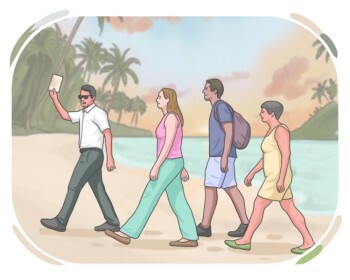
parada, estación

Ex: We got off at the wrong stop. 
tour
tour
[Sustantivo]

a journey for pleasure, during which we visit several different places

tour, recorrido
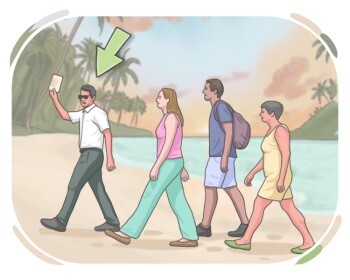
tour, recorrido

Ex: They planned a three-day tour to explore the historical sites in Rome. 
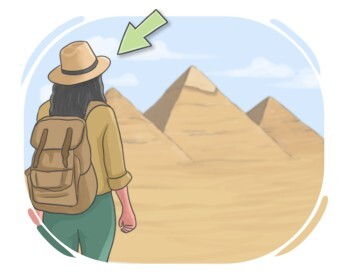
tour guide
tour guide
[Sustantivo]

someone whose job is taking tourists to interesting locations

guía turístico

guía turístico

Ex: With the help of our knowledgeable tour guide, we discovered hidden gems and local treasures off the beaten path. 

Con la ayuda de nuestro guía turístico conocedor, descubrimos joyas ocultas y tesoros locales fuera de lo común.
tourist
tourist
[Sustantivo]

someone who visits a place or travels to different places for pleasure

turista
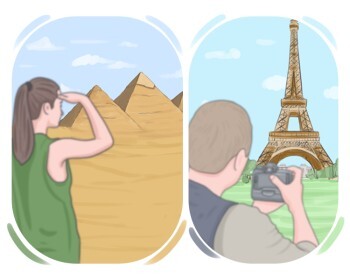
turista

Ex: She worked as a tour guide, assisting tourists in understanding the history of the city. 
to visit
to visit
[Verbo]

to go somewhere for a short time, especially to see something

visitar
visitar

Ex: The tourists visited the zoo to see exotic animals from around the world. 
way
way
[Sustantivo]

a passage used for walking, riding, or driving

camino

camino

Ex: The narrow way led to the village. 
LanGeek
Descargar la aplicación LanGeek