

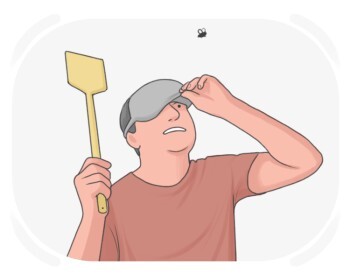
a feeling of irritation or discomfort caused by something that is bothersome, unpleasant, or disruptive

irritación
El ruido de la construcción afuera era un molestia diaria para los trabajadores de oficina.
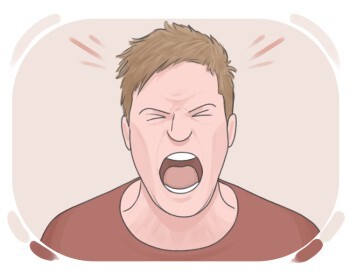
a strong feeling that we have when something bad has happened, so we might be unkind to someone or harm them
ira

a state of active opposition or hostility toward someone or something, characterized by conflict and resistance
antagonismo
El antagonismo entre los dos socios comerciales creció gradualmente, lo que resultó en una amarga disputa sobre la propiedad de la empresa.
a serious argument that causes people to end their relationship
riña, pelea
Hubo una discusión entre los dos vecinos ayer.
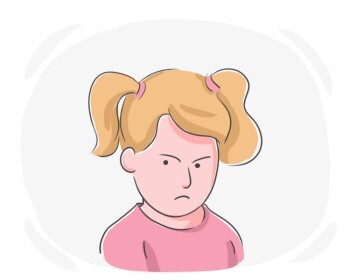
a long, angry, or hostile look
mirada fulminante
a feeling of anger or annoyance aroused by something unjust, unworthy, or mean
indignación
La indignación de la comunidad creció a medida que se desarrollaba el escándalo.
a period when someone feels irritated, impatient, or easily annoyed
mal humor, mal genio
a brief, intense feeling of anger, irritation, or resentment
un arrebato de ira, un acceso de mal humor
El comentario provocó un pique en su voz.
unfriendly actions or remarks that deliberately cause anger or resentment
provocación
Ella se negó a responder a sus constantes provocaciones en el trabajo.

to display one's anger or frustration by complaining or shouting, particularly for a while
despotricar, echar pestes
Despotricó contra las nuevas normas hasta que todos se cansaron de escucharla.
angry and uncontrolled complaining or speaking
diatriba, arenga
Sus despotriques sobre el retraso molestaron al personal.
describing a face that appears reddish, often due to emotions like embarrassment, anger, or physical exertion
rojo
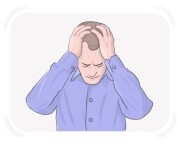
a lasting feeling of anger or bitterness because of unfair treatment
resentimiento
to suddenly become enraged and uncontrollably angry
perder el control de la ira, enfurecerse de repente
angry criticism, opposition, or argumentative talk
regaño, reprimenda
an emotional outburst, usually associated with anger or frustration, that involves screaming, crying, kicking, and sometimes even physical aggression
rabieta
Después de que le dijeran que no, el niño pequeño tuvo un berrinche fuerte en el supermercado.
a short period or sudden display of strong anger
furia
a lengthy speech that uses harsh and angry language and intends to condemn or criticize
diatriba
Se lanzó en una perorata sobre el trato injusto que recibió de sus colegas.
angry or violent behavior that causes disturbance or conflict
problema, conflicto
a hostile, aggressive attitude marked by a refusal to cooperate or submit
truculencia, actitud hostil y agresiva
Ella enfrentó las críticas con truculencia abierta.
