pattern

500 Adjetivos Más Comunes en Inglés - Adjetivos Comunes

Aquí tienes la parte 1 de la lista de los adjetivos más comunes en inglés como "good", "same" y "sure".

Revisión

Tarjetas de memoria

Ortografía

Cuestionario
Empezar a aprender
Most Common Adjectives in English Vocabulary
good
good
[Adjetivo]

having a quality that is satisfying

bueno
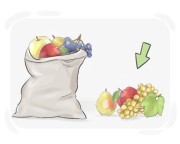
bueno

Ex: She has a good memory and can remember details easily. 
other
other
[Adjetivo]

being the one that is different, extra, or not included

otro

otro

Ex: I spent the other half of my salary on groceries. 
little
little
[Adjetivo]

below average in size

pequeño, chico

pequeño, chico

Ex: The little kitten curled up in the corner, its tiny frame barely visible in the dim light. 
new
new
[Adjetivo]

recently invented, made, etc.

nuevo

nuevo

Ex: The new software update includes several innovative features not seen before. 
great
great
[Adjetivo]

exceptionally large in degree or amount

grande

grande

Ex: The storm caused a great deal of damage to the coastal town. 
different
different
[Adjetivo]

not like another thing or person in form, quality, nature, etc.

diferente

diferente

Ex: He had a different perspective on the movie. 
divine
divine
[Adjetivo]

originating from, relating to, or associated with God or a god

divino

divino

Ex: The ancient Greeks believed in divine beings residing on Mount Olympus. 
big
big
[Adjetivo]

above average in size or extent

grande

grande

Ex: They live in a big house. 
right
right
[Adjetivo]

based on facts or the truth

correcto
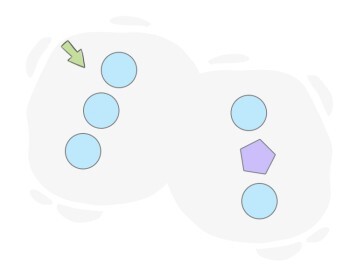
correcto

Ex: He made the right decision after carefully considering all the options. 
same
same
[Adjetivo]

like another thing or person in every way

mismo

mismo

Ex: I chose the same topic for my presentation as last year. 
next
next
[Adjetivo]

coming immediately after a person or thing in time, place, or rank

próximo

próximo

Ex: I'm excited about the next episode of my favorite TV show. 
last
last
[Adjetivo]

being the final one in a sequence

último

último

Ex: We missed the last train home, so we had to call a taxi. 
own
own
[Adjetivo]

used for showing that someone or something belongs to or is connected with a particular person or thing

propio
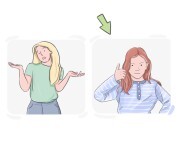
propio

Ex: Each plant has its own pot in the garden. 
sure
sure
[Adjetivo]

(of a person) feeling confident about something being correct or true

seguro
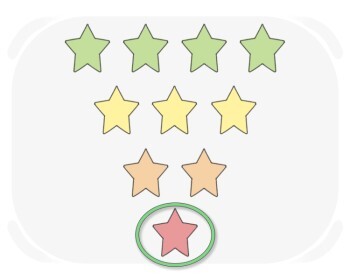
seguro

Ex: Being sure of his memory, he recited the poem flawlessly in front of the audience. 
bad
bad
[Adjetivo]

having a quality that is not satisfying

malo

malo

Ex: The movie was bad and not enjoyable to watch. 
important
important
[Adjetivo]

having a lot of value

importante

importante

Ex: Conserving water is important for the sustainable use of natural resources. 
high
high
[Adjetivo]

having a relatively great vertical extent

alto

alto

Ex: The high mountain peaks were covered in snow. 
able
able
[Adjetivo]

having the necessary skill, power, resources, etc. for doing something

capaz

capaz

Ex: She is able to speak five languages fluently. 
old
old
[Adjetivo]

of a particular age

de edad

de edad

Ex: She is fifty years old and still runs marathons. 
small
small
[Adjetivo]

below average in physical size

pequeño

pequeño

Ex: He had a small backpack that was easy to carry. 
whole
whole
[Adjetivo]

including every part, member, etc.

todo
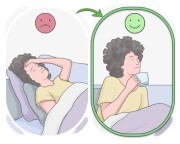
todo

Ex: He ate the whole pizza by himself. 
well
well
[Adjetivo]

having good health, especially after recovering from an illness or injury

bien

bien

Ex: She was relieved to see her grandmother looking well after recovering from surgery. 
long
long
[Adjetivo]

(of two points) having an above-average distance between them

largo
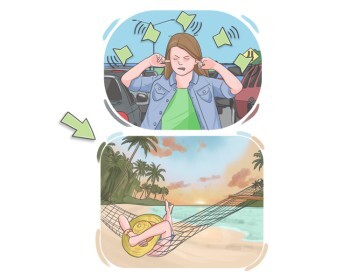
largo

Ex: The necklace she wore had a long chain adorned with intricate charms. 
nice
nice
[Adjetivo]

providing pleasure and enjoyment

agradable

agradable

Ex: The restaurant served a nice meal with fresh ingredients. 
real
real
[Adjetivo]

having actual existence and not imaginary

verdadero, real

verdadero, real

Ex: The real world is often different from dreams and fantasies. 
LanGeek
Descargar la aplicación LanGeek