pattern

Vocabulario de África del Norte y Occidental - Libia

Revisión

Tarjetas de memoria

formas

Ortografía

Cuestionario

Empezar a aprender
North and West Africa Vocabulary
dune
dune
[Sustantivo]

a mound or ridge of sand that is typically formed by the wind, often found in deserts, coastal areas, or other regions with significant wind activity

duna, montículo de arena

duna, montículo de arena

Ex: Dunes in desert regions like the Gobi Desert showcase the intricate patterns formed by wind-driven sand. 

Las dunas en regiones desérticas como el desierto de Gobi muestran los intrincados patrones formados por la arena movida por el viento.

lifeline
lifeline
[Sustantivo]

essential help, support, or connection that enables someone or something to survive or continue

tabla de salvación,  salvavidas

tabla de salvación, salvavidas

Ex: Food deliveries were a lifeline for isolated residents. 
unlike
unlike
[Preposición]

used to introduce differences between two things or people

a diferencia de

a diferencia de

Ex: Unlike yesterday, today's weather is sunny and warm. 

A diferencia de ayer, el clima de hoy es soleado y cálido.
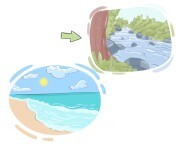
freshwater
freshwater
[Sustantivo]

water that does not contain salt and is suitable for consumption

agua dulce

agua dulce

to rely on
to rely on
[Verbo]

to depend on someone or something for support and assistance

contar con, depender de

contar con, depender de

Ex: Many students rely on scholarships to fund their education. 

Muchos estudiantes dependen de becas para financiar su educación.

irrigation
irrigation
[Sustantivo]

the artificial application of water to land or soil to assist in the growing of crops and the maintenance of landscapes

irrigación, riego

irrigación, riego

Ex: Drip irrigation is an efficient method that delivers water directly to the roots of plants. 

El riego por goteo es un método eficiente que suministra agua directamente a las raíces de las plantas.

pipe
pipe
[Sustantivo]

a cylindrical hollow tube or conduit typically made of metal, plastic, or other materials, used for the transportation of fluids, gases, or other substances from one place to another

tubo, cañería

tubo, cañería

Ex: The factory used a series of pipes to transport chemicals safely. 
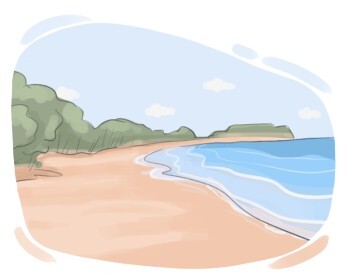
vast
vast
[Adjetivo]

extremely great in extent, size, or area

vasto, enorme
vasto, enorme

Ex: She inherited a vast estate that included forests, lakes, and farmland. 
coastline
coastline
[Sustantivo]

the boundary between land and water, particularly as seen on a map or from above

costa

costa

Ex: He took a scenic drive along the coastline. 

Dio un paseo pintoresco por la costa.

merchant
merchant
[Sustantivo]

a person or business that buys and sells goods, especially in large quantities, for profit

minorista

minorista

Ex: The merchant bought large quantities of cotton from local producers. 
civilization
civilization
[Sustantivo]

a society that has developed its own culture and institutions in a particular period of time or place

civilización

civilización

Ex: Many aspects of Greek civilization influence contemporary philosophy and art. 

Muchos aspectos de la civilización griega influyen en la filosofía y el arte contemporáneos.
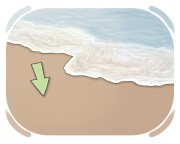
shore
shore
[Sustantivo]

the land along the edge of a sea, lake, river, or other body of water
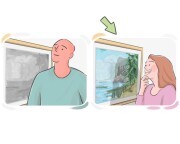
Ex: We could see houses scattered along the opposite shore. 
fascinating
fascinating
[Adjetivo]

extremely interesting or captivating

fascinante

fascinante

Ex: The intricate details of the artwork make it fascinating to study. 

Los intrincados detalles de la obra de arte la hacen fascinante de estudiar.
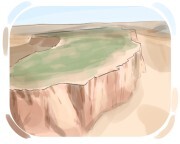
plateau
plateau
[Sustantivo]

an area of land that is flat and higher than the land surrounding it

meseta

meseta

Ex: After a steep climb, the hikers reached the top of the plateau, where they were rewarded with panoramic views of the valley below. 

Después de una empinada subida, los excursionistas llegaron a la cima de la meseta, donde fueron recompensados con vistas panorámicas del valle que se extendía abajo.
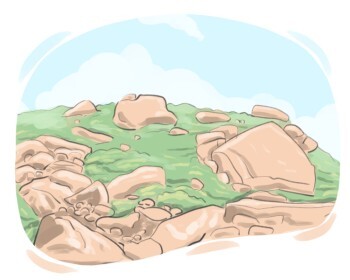
rocky
rocky
[Adjetivo]

having a surface that is covered with large, uneven, or rough rocks, stones, or boulders

rocoso, pedregoso

rocoso, pedregoso

Ex: The riverbed was rocky, with water cascading over the smooth stones. 

El lecho del río era rocoso, con agua cayendo en cascada sobre las piedras lisas.
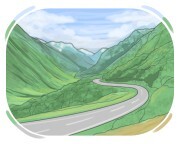
mountainous
mountainous
[Adjetivo]

(of an area) having a lot of mountains

montañoso

montañoso

Ex: The small village was nestled in a mountainous area, surrounded by peaks. 

El pequeño pueblo estaba enclavado en una zona montañosa, rodeado de picos.
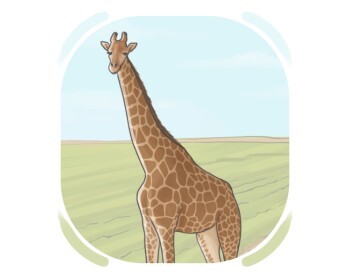
giraffe
giraffe
[Sustantivo]

a tall animal with a very long neck and long legs that has brown spots on its yellow fur

jirafa

jirafa

Ex: Tourists marveled at the sight of a herd of giraffes roaming the vast grasslands, their towering silhouettes against the horizon. 
coastal
coastal
[Adjetivo]

related to or situated along the coast, the area where land meets the sea

costero

costero

Ex: The coastal region is home to diverse marine life, including fish, dolphins, and seabirds. 

La región costera alberga una vida marina diversa, que incluye peces, delfines y aves marinas.

Mediterranean
Mediterranean
[Adjetivo]

relating to the Mediterranean Sea, the countries around it, or features typical of that region

mediterráneo,  mediterránea
mediterráneo, mediterránea

Ex: They spent a week exploring several Mediterranean ports. 
mild
mild
[Adjetivo]

not severe, strong, intense, or extreme in degree or effect

leve, templado

leve, templado

Ex: Daniel offered some mild criticism of the proposal. 
fresh breeze
fresh breeze
[Sustantivo]

wind moving 19-24 knots; 5 on the Beaufort scale

brisa fresca

brisa fresca

to settle
to settle
[Verbo]

to go and reside in a place as a permanent home

establecerse, instalarse

establecerse, instalarse

Ex: They were excited to settle into their new home after months of searching for the perfect place. 
seafaring
seafaring
[Adjetivo]

concerning or involving travel by sea, especially for work or adventure

marítimo, navegante

marítimo, navegante

Ex: The seafaring crew spent months at sea without seeing land. 

La tripulación marinera pasó meses en el mar sin ver tierra.

to establish

to create a company or organization with the intention of running it over the long term

establecer

establecer

Ex: They decided to establish a non-profit organization to address the community's healthcare needs. 
center
center
[Sustantivo]

a specific location or facility where a particular activity, function, or purpose is focused

centro, instalación
centro, instalación

Ex: The shopping center attracts thousands of visitors with its variety of stores and restaurants. 
major
major
[Adjetivo]

serious and of great importance

importante
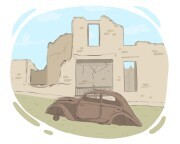
importante

Ex: The major breakthrough in medical research led to the development of a new treatment. 
ruin
ruin
[Sustantivo]

the remains of a building, town, or other structure that has been destroyed or fallen into decay

ruinas

ruinas

Ex: Only a few stone walls remain among the ruins. 
to take over

to occupy a territory by force, usually through military conquest or invasion

apoderarse de, invadir

apoderarse de, invadir

Ex: After a long siege, they finally took over the enemy's capital. 

Después de un largo asedio, finalmente tomaron el control de la capital enemiga.

well preserved
well preserved
[Adjetivo]

kept in good condition or protected from damage, even after a long time

bien conservado, en buen estado de conservación

bien conservado, en buen estado de conservación

Ex: He found a well preserved book from the 1800s in the library. 

Encontró un libro bien conservado de los años 1800 en la biblioteca.

colony
colony
[Sustantivo]

a country or territory politically controlled by another, more powerful country

colonia

colonia

Ex: The empire established colonies across several continents. 
independent
independent
[Adjetivo]

(of a country, state, etc.) function without being controlled or influenced by others

independiente

independiente

Ex: Many nations celebrate their independent status with a national holiday. 
descent
descent
[Sustantivo]

the origin or lineage of a person in terms of family, nationality, or ancestry

ascendencia, linaje

ascendencia, linaje

Ex: The museum exhibit focused on the Native American descent of the local population, highlighting their contributions to the region's history. 

La exposición del museo se centró en la ascendencia nativa americana de la población local, destacando sus contribuciones a la historia de la región.
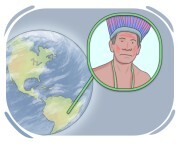
native
native
[Adjetivo]

relating to the people who originally lived in a particular place before others arrived or settled there

nativo
nativo

Ex: Traditional knowledge remains important to many native peoples. 
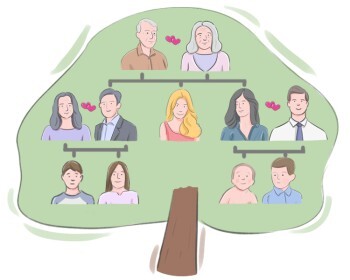
extended family
extended family
[Sustantivo]

a large family group consisting of parents and children that might also include grandparents, aunts, or uncles

familia extendida

familia extendida

Ex: During the holidays, the extended family gathers at the grandparents' house for a big feast. 

Durante las vacaciones, la familia extendida se reúne en la casa de los abuelos para un gran banquete.

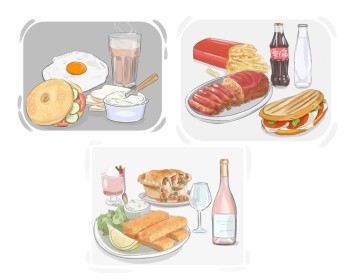
fasting
fasting
[Sustantivo]

abstaining from food

ayuno, abstinencia de alimentos

ayuno, abstinencia de alimentos

to [break] {one's} fast

to eat or drink for the first time after a period of not eating

Ex: He broke his fast with fruit and water. 
prayer
prayer
[Sustantivo]

the action of praying to God or other higher powers

oración, rezo

oración, rezo

Ex: The Muslim community observed the call to prayer, with worshippers facing towards Mecca and reciting sacred verses as a form of devotion. 
reflection
reflection
[Sustantivo]

serious and careful consideration of something

reflexión,  consideración
reflexión, consideración

Ex: Daniel spent the evening in quiet reflection on the past year. 
dish
dish
[Sustantivo]

food that is made in a special way as part of a meal

plato, platillo

plato, platillo

Ex: This dish is made with rice, vegetables, and spices. 
barley
barley
[Sustantivo]

a single seed or grain of the cereal plant barley

cebada

cebada

Ex: Barley grains are often soaked before cooking. 

Los granos de cebada a menudo se remojan antes de cocinar.
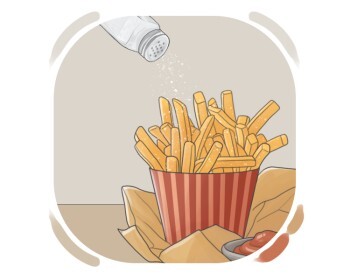
savory
savory
[Adjetivo]

(of food) salty or spicy rather than sweet

salado, picante

salado, picante

Ex: A slice of savory quiche was the perfect lunchtime treat. 

Una porción de quiche salado fue el capricho perfecto para la hora del almuerzo.

civil war
civil war
[Sustantivo]

a war that is between people who are in the same country

guerra civil

guerra civil

Ex: Civil wars often result in devastating consequences for the affected country, including loss of life and destruction of infrastructure. 

Las guerras civiles a menudo resultan en consecuencias devastadoras para el país afectado, incluyendo pérdida de vidas y destrucción de infraestructura.

to break out

(of a war, fight, or other unwelcome occurrence) to start suddenly

estallar de repente, comenzar bruscamente

estallar de repente, comenzar bruscamente

Ex: Riots broke out in the city after the controversial verdict. 

Los disturbios estallaron en la ciudad después del veredicto controvertido.

longtime
longtime
[Adjetivo]

referring to a person who has held a role, position, or relationship for an extended period of time

de larga data, antiguo

de larga data, antiguo

Ex: The company's CEO is a longtime advocate for environmental sustainability. 

El CEO de la empresa es un veterano defensor de la sostenibilidad ambiental.

to remove
to remove
[Verbo]

to terminate someone's employment or position

despedir, destituir

despedir, destituir

Ex: The coach was removed from their position after the team's poor performance throughout the season. 
power
power
[Sustantivo]

the ability to control or have an effect on things or people

poder
poder

Ex: They gained power through years of hard work and dedication. 
stability
stability
[Sustantivo]

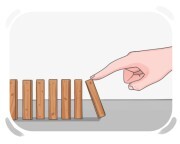
the state or quality of being steady, secure, and unlikely to move or change suddenly

estabilidad
estabilidad

Ex: The new measures are intended to restore stability to the economy. 
to affect
to affect
[Verbo]

to cause a change in a person, thing, etc.

afectar

afectar

Ex: The economic downturn is expected to affect businesses across various sectors. 
instability
instability
[Sustantivo]

a state in which unexpected change or failure is probable

inestabilidad

inestabilidad

oil reserve
oil reserve
[Sustantivo]

a known supply of underground oil that can be extracted in the future

reserva de petróleo

reserva de petróleo

Ex: The new oil reserve attracted foreign investment. 
to benefit
to benefit
[Verbo]

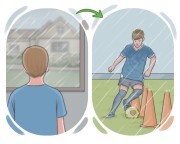
to gain something good from something or someone

beneficiarse
beneficiarse

Ex: Collaborating with a skilled partner on a creative project can allow you to benefit from their innovative ideas and approaches. 
despite
despite
[Preposición]

used to show that something happened or is true, even though there was a difficulty or obstacle that might have prevented it

a pesar de

a pesar de

Ex: The business thrived despite the economic downturn. 
bright
bright
[Adjetivo]

(of someone or something's future) likely to be successful and very good

brillante

brillante

Ex: After securing a major investor, the startup's prospects became much brighter. 
aid
aid
[Sustantivo]

food or financial help sent to support a person or country

ayuda
ayuda

Ex: Farmers received aid in the form of seeds and equipment to recover from the drought. 
wildlife
wildlife
[Sustantivo]

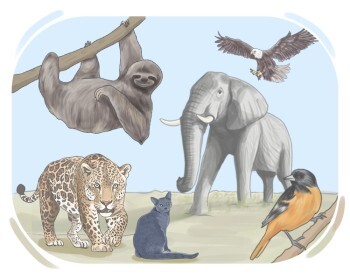
wild animals living freely in their natural environment, considered collectively

fauna

fauna

Ex: Emma enjoys photographing wildlife in the mountains. 
to adapt
to adapt
[Verbo]

to change one's behavior or habits in order to deal successfully with a new situation or environment

adaptarse
adaptarse

Ex: Children often adapt more easily to change than adults. 
hedgehog
hedgehog
[Sustantivo]

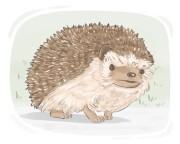
a small mammal that is active at night, which is covered with spines and can roll itself while attacked

erizo
erizo

Ex: Hedgehogs use their sharp spines to protect themselves from predators. 
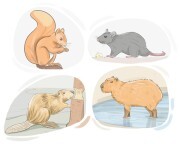
rodent
rodent
[Sustantivo]

any small mammal with a pair of strong front teeth, such as mice, hamsters, rats, etc.

roedor

roedor

Ex: Squirrels, although often considered cute, are also rodents that play crucial roles in forest ecosystems. 

Las ardillas, aunque a menudo se consideran lindas, también son roedores que desempeñan roles cruciales en los ecosistemas forestales.

marine life
marine life
[Sustantivo]

the organisms that inhabit the oceans and other saltwater environments

vida marina, fauna marina

vida marina, fauna marina

Ex: Scientists study marine life to understand ecosystems. 

Los científicos estudian la vida marina para entender los ecosistemas.

Vocabulario de África del Norte y Occidental
EgiptoLibiaArgeliaMarruecos
TúnezCosta de MarfilSenegalMalí
NigeriaGhana
LanGeek
Descargar la aplicación LanGeek
