
El libro Solutions - Intermedio Alto - Unidad 9 - 9H
Aquí encontrarás el vocabulario de la Unidad 9 - 9H en el libro de curso Solutions Upper-Intermediate, como "sugerir", "resolver", "estado", etc.
Repasar
Tarjetas de memoria
Ortografía
Cuestionario
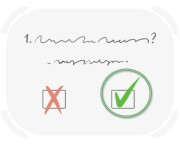
according to reality or facts

verdadero
Es cierto que la empresa obtuvo beneficios el año pasado, pero también enfrentó algunos desafíos.
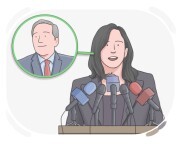
to clearly and formally express something in speech or writing
declarar
El manual del empleado establece claramente las políticas de la empresa con respecto a la conducta en el lugar de trabajo.
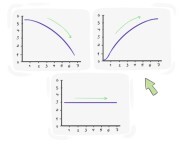
to become greater in amount, number, size, degree, or intensity
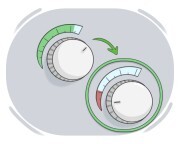
to make something smaller in amount, degree, price, etc.
reducir
El gobierno implementó medidas para reducir la contaminación en áreas urbanas.
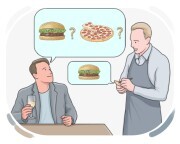
to mention an idea, proposition, plan, etc. for further consideration or possible action
sugerir
El profesor sugirió varios temas para los trabajos de investigación en el próximo semestre.

to let someone or something do a particular thing
permitir
La política de la escuela no permite que los estudiantes usen sus teléfonos durante la clase.
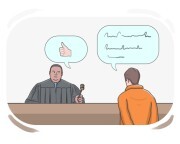
to accept something as true or real, even without conclusive proof
creer

to begin to experience a particular feeling, impression, or idea
tener
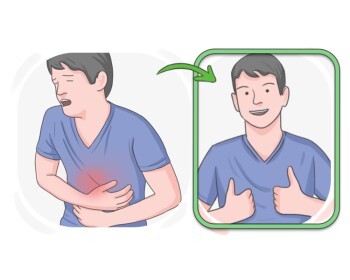
recovered from a physical or mental health problem completely or compared to the past
mejor
¡Espero que te mejores pronto!
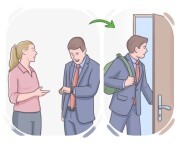
used to indicate an obligation or to emphasize the necessity of something happening
tener que
Tenemos que estar en el aeropuerto dos horas antes del vuelo.
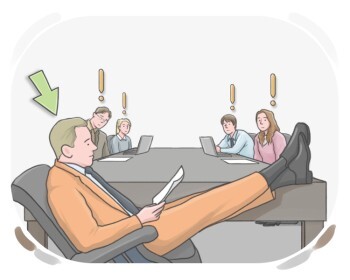
(of a person) having no respect for other people
maleducado, grosero, brusco
Es tan grosero, ni siquiera saludó cuando entró.
to separate and organize things into groups according to their type, purpose, or other characteristics
ordenar, colocar las cosas de forma ordenada
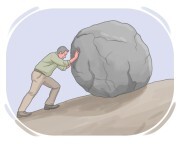
to make an effort or attempt to do or have something
intentar
Ella intentó hornear un pastel pero no salió bien.
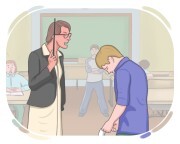
to express disapproval of someone or something by pointing out faults or weaknesses
criticar
| El libro Solutions - Intermedio Alto | |||
|---|---|---|---|
| Unidad 7 - 7F | Unidad 8 - 8A | Unidad 8 - 8C | Unidad 8 - 8E |
| Unidad 8 - 8F | Unidad 9 - 9A | Unidad 9 - 9E | Unidad 9 - 9F |
| Unidad 9 - 9H | Cultura 1 | Cultura 7 | |
