pattern

El libro Four Corners 2 - Unidad 6 Lección D

Aquí encontrarás el vocabulario de la Unidad 6 Lección D del libro de curso Four Corners 2, como "mejora", "darse cuenta", "presupuesto", etc.

Revisión

Tarjetas de memoria

formas

Ortografía

Cuestionario

Empezar a aprender
Four Corners 2
popular
popular
[Adjetivo]

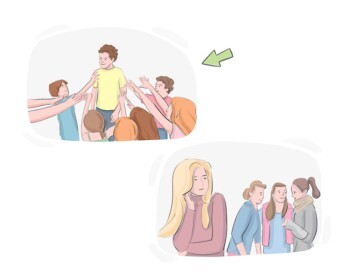
receiving a lot of love and attention from many people

popular

popular

Ex: Tennis is a popular sport in many countries around the world. 
improvement
improvement
[Sustantivo]

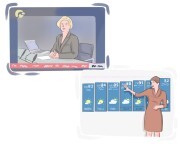
the action or process of making something better

mejora
mejora

Ex: The team's performance saw continuous improvement throughout the season. 
show
show
[Sustantivo]

a TV or radio program made to entertain people

programa, serie

programa, serie

Ex: Saturday Night Live is a sketch comedy show that has been on the air for decades. 
style
style
[Sustantivo]

the manner in which something takes place or is accomplished

estilo

estilo

Ex: The building was restored in its original architectural style. 
either
either
[Conjunción]

used to introduce two choices or possibilities

o

o

Ex: You can either sit here in the garden, or inside the house. 

Puedes o bien sentarte aquí en el jardín, o dentro de la casa.

to realize
to realize
[Verbo]

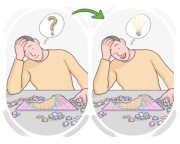
to have a sudden or complete understanding of a fact or situation

saber, reconocer
saber, reconocer

Ex: They only realized the importance of the meeting once it was too late. 
to find out

to get information about something after actively trying to do so

averiguar, obtener información investigando

averiguar, obtener información investigando

Ex: We will find out the results of the test after it's graded. 

Vamos a averiguar los resultados de la prueba después de que sea calificada.

more
more
[Determinante]

used to refer to a number, amount, or degree that is bigger or larger

más

más

Ex: We need more time to complete the project. 

Necesitamos más tiempo para completar el proyecto.
contestant
contestant
[Sustantivo]

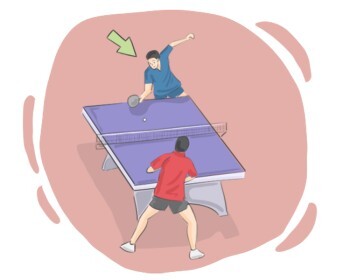
a person who takes part in a competition or contest

participante, concursante

participante, concursante

Ex: Contestants must register before entering the competition. 

Los concursantes deben registrarse antes de ingresar a la competencia.

to win
to win
[Verbo]

to become the most successful, the luckiest, or the best in a game, race, fight, etc.

ganar

ganar

Ex: Did the home team win the basketball game last night? 
prize
prize
[Sustantivo]

anything that is given as a reward to someone who has done very good work or to the winner of a contest, game of chance, etc.

premio

premio

Ex: The grand prize for the raffle was a luxury vacation package to a tropical island. 
each
each
[Adjetivo]

used to refer to every individual item or person in a group, considered separately

cada, cada uno

cada, cada uno

Ex: The teacher checked each answer carefully. 

El profesor revisó cada respuesta cuidadosamente.

to leave
to leave
[Verbo]

to go away from somewhere

dejar

dejar

Ex: The bus will leave in five minutes, so be quick! 
until
until
[Preposición]

used to show that something continues or lasts up to a specific point in time and often not happening or existing after that time

hasta

hasta

Ex: The library is open until 8 PM on weekdays. 

La biblioteca está abierta hasta las 8 PM entre semana.

viewer
viewer
[Sustantivo]

a person who watches or looks at something, especially television, video, or other visual content

espectador
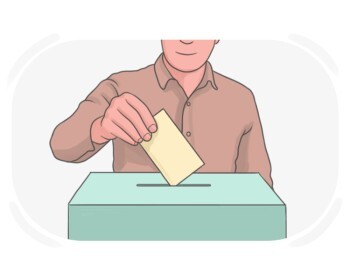
espectador

Ex: Emma creates short videos that keep viewers interested until the end. 
vote
vote
[Sustantivo]

an official choice made by an individual or a group of people in a meeting or election

voto

voto

Ex: The referendum resulted in a close vote on the new school funding measure. 
to judge
to judge
[Verbo]

to form a decision or opinion based on what one knows

juzgar

juzgar

Ex: They judge the safety of the neighborhood by observing its crime rate and infrastructure. 
to choose
to choose
[Verbo]

to decide what we want to have or what is best for us from a group of options

elegir

elegir

Ex: She couldn't choose a favorite book because she loved so many. 
example
example
[Sustantivo]

a sample, showing what the rest of the data is typically like

ejemplo
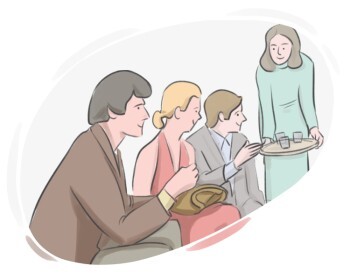
ejemplo

Ex: In the financial report, they presented multiple case studies, with Company A's performance being a prime example of success. 
host
host
[Sustantivo]

a person who invites guests to a social event and ensures they have a pleasant experience while there

anfitrión, anfitriona

anfitrión, anfitriona

Ex: The host planned various activities to keep the guests entertained throughout the evening. 
cook
cook
[Sustantivo]

a person who prepares and cooks food, especially as their job

cocinero

cocinero

Ex: The cook prepared a tasty meal for the guests. 
usually
usually
[Adverbio]

in most situations or under normal circumstances

normalmente

normalmente

Ex: We usually have a family gathering on Thanksgiving. 
to receive
to receive
[Verbo]

to be given something or to accept something that is sent

recibir

recibir

Ex: The charity received a large donation from an anonymous benefactor. 
course
course
[Sustantivo]

a series of lessons or lectures on a particular subject

curso

curso

Ex: The company provided a training course for all new employees. 
trophy
trophy
[Sustantivo]

an object awarded as a prize for winning a competition or achieving something

trofeo

trofeo

Ex: Daniel keeps his swimming trophies on a shelf. 
such as
such as
[Preposición]

used to introduce examples of something mentioned

como

como

Ex: She enjoys studying subjects such as history and literature. 

A ella le gusta estudiar materias como historia y literatura.

police officer
police officer
[Sustantivo]

someone whose job is to protect people, catch criminals, and make sure that laws are obeyed

policía
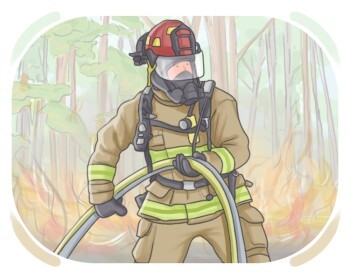
policía

Ex: The police officer arrested the thief and recovered the stolen items. 
firefighter
firefighter
[Sustantivo]

someone whose job is to put out fires and save people or animals from dangerous situations

bombero

bombero

Ex: The firefighter used a hose to douse the flames and prevent the fire from spreading. 

El bombero usó una manguera para apagar las llamas y evitar que el fuego se extendiera.

hospital
hospital
[Sustantivo]

a large building where sick or injured people receive medical treatment and care

hospital

hospital

Ex: They work as nurses at the hospital, taking care of patients' needs. 
regular
regular
[Adjetivo]

following a pattern, especially one with fixed or uniform intervals

regular

regular

Ex: The regular procedure for filing a report ensures that all information is correctly presented. 
to keep up
to keep up
[Verbo]

to preserve something at a consistently high standard, price, or level

mantener a un nivel alto, mantener

mantener a un nivel alto, mantener

Ex: Regular exercise can keep your energy levels up. 

El ejercicio regular puede mantener altos tus niveles de energía.

about
about
[Preposición]

used to express the matters that relate to a specific person or thing

sobre

sobre

Ex: She is writing a book about her adventures in Asia 

Ella está escribiendo un libro sobre sus aventuras en Asia.
life
life
[Sustantivo]

the state of existing as a person who is alive

vida
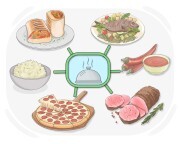
vida

Ex: He leads a quiet life in the countryside. 
type
type
[Sustantivo]

a class or group of people or things that have common characteristics or share particular qualities

tipo

tipo

Ex: In the animal kingdom, the lion belongs to the type of big cats. 
to need
to need
[Verbo]

to want something or someone that we must have if we want to do or be something

necesitar

necesitar

Ex: She needs a ride to the airport tomorrow. 
to change
to change
[Verbo]

to make a person or thing different

cambiar
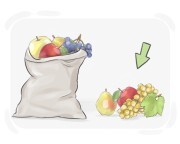
cambiar

Ex: The accident changed everything for him. 
other
other
[Adjetivo]

being the one that is different, extra, or not included

otro

otro

Ex: This dish is spicy, but the other dish is mild. 
to help
to help
[Verbo]

to give someone what they need

ayudar

ayudar

Ex: The teacher helped the student with her homework. 
couple
couple
[Sustantivo]

a pair of things or people

par

par

Ex: They adopted a couple of kittens from the animal shelter. 
to buy
to buy
[Verbo]

to get something in exchange for paying money

comprar

comprar

Ex: Let's buy some flowers for her birthday. 
to transform

to change the form, appearance, character, or nature of someone or something significantly

transformar

transformar

Ex: A fresh coat of paint can transform the appearance of a room. 
expensive
expensive
[Adjetivo]

having a high price

caro

caro

Ex: The restaurant had expensive prices, but the food was delicious. 
inexpensive
inexpensive
[Adjetivo]

having a reasonable price

barato, económico

barato, económico

Ex: She prefers to buy inexpensive cosmetics rather than splurging on high-end brands. 

Ella prefiere comprar cosméticos económicos en lugar de derrochar en marcas de lujo.

dream
dream
[Sustantivo]

a series of images, feelings, or events happening in one's mind during sleep

sueño

sueño

Ex: In her dream, she was reunited with old friends she hadn't seen in years. 
transformation
transformation
[Sustantivo]

a major change in the character, condition, or nature of someone or something

Ex: Emma's confidence underwent a dramatic transformation after she started the new job. 
to stay
to stay
[Verbo]

to continue to be in a particular condition or state

quedarse

quedarse

Ex: Please stay seated until the plane has come to a complete stop. 
budget
budget
[Sustantivo]

a specific amount of money set aside for a particular use

presupuesto

presupuesto

Ex: The travel budget covered flights and lodging. 
to race
to race
[Verbo]

to compete against someone to see who is the fastest

competir
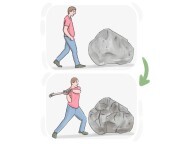
competir

Ex: Tomorrow, I will race in the city marathon. 
to solve
to solve
[Verbo]

to find an answer or solution to a question or problem

resolver, solucionar

resolver, solucionar

Ex: The scientist conducted experiments to solve the scientific question. 
logic
logic
[Sustantivo]

the study of the principles and methods used to distinguish valid reasoning from invalid reasoning

lógica

lógica

Ex: Aristotle made major contributions to the study of logic. 
variety
variety
[Sustantivo]

a range of things or people with the same general features but different in some details

variedad

variedad

Ex: The school hosts a variety of extracurricular activities, catering to different interests and talents. 
vehicle
vehicle
[Sustantivo]

a means of transportation used to carry people or goods from one place to another, typically on roads or tracks

vehículo

vehículo

Ex: You need a license to drive a vehicle. 
adventure
adventure
[Sustantivo]

an unusual, exciting, or potentially dangerous experience or activity

aventura

aventura

Ex: The children went on an adventure through the woods behind their house. 
LanGeek
Descargar la aplicación LanGeek