pattern

El libro Face2face - Elemental - Unidad 10 - 10C

Aquí encontrarás el vocabulario de la Unidad 10 - 10C en el libro de curso Face2Face Elementary, como "dolor de garganta", "enfermo", "temperatura", etc.

Revisión

Tarjetas de memoria

Ortografía

Cuestionario

Empezar a aprender
Face2face - Elementary
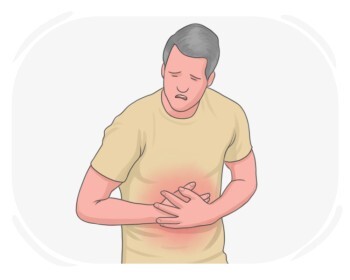
stomachache
stomachache
[Sustantivo]

a pain in or near someone's stomach

dolor de estómago

dolor de estómago

Ex: She felt a stomach ache coming on after the roller coaster ride. 

Ella sintió que le venía un dolor de estómago después del paseo en la montaña rusa.
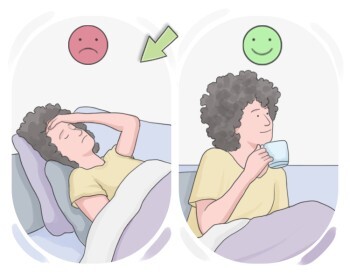
ill
ill
[Adjetivo]

not in a fine mental or physical state

enfermo, malo
enfermo, malo

Ex: Many students were ill with the flu, causing the school to close temporarily. 
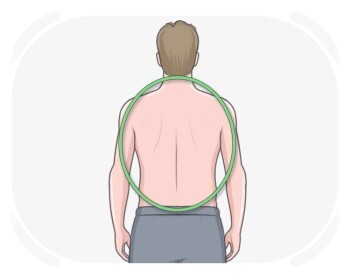
back
back
[Sustantivo]

the part of our body between our neck and our legs that we cannot see

espalda
espalda

Ex: She carried her baby on her back using a baby carrier. 
terrible
terrible
[Adjetivo]

extremely bad or unpleasant

terrible

terrible

Ex: She had a terrible headache that made it difficult to concentrate. 

Ella tenía un terrible dolor de cabeza que hacía difícil concentrarse.
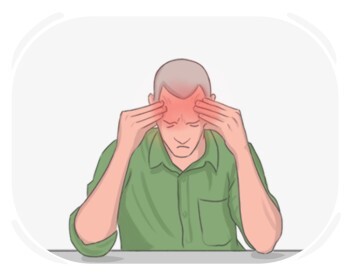
headache
headache
[Sustantivo]

a pain in the head, usually persistent

dolor de cabeza
dolor de cabeza

Ex: I can't concentrate on this report; I've got a terrible headache. 
arm
arm
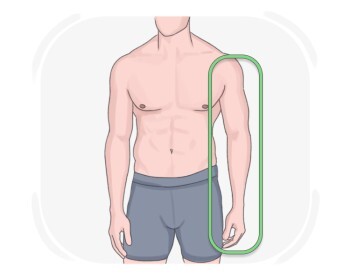
[Sustantivo]

one of the two body parts that is connected to the shoulder and ends with fingers

brazo
brazo

Ex: She carries the heavy grocery bags with one arm. 
toothache
toothache
[Sustantivo]

pain felt in a tooth or several teeth

dolor de muelas

dolor de muelas

Ex: He couldn't eat his ice cream because of his toothache. 

No podía comer su helado debido a su dolor de muelas.

sick
sick
[Adjetivo]

not in a good and healthy physical or mental state

enfermo
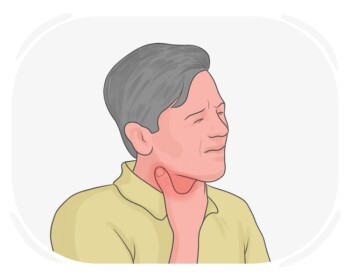
enfermo

Ex: My father was so sick that he couldn't even get out of bed. 
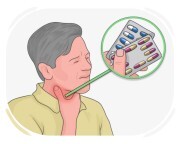
sore throat
sore throat
[Sustantivo]

a condition when you feel pain in the throat, usually caused by bacteria or viruses

dolor de garganta

dolor de garganta

Ex: He always gets a sore throat when the weather changes 

Siempre le duele la garganta cuando cambia el clima.
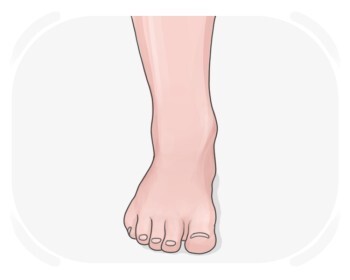
foot
foot
[Sustantivo]

the body part that is at the end of our leg and we stand and walk on

pie
pie

Ex: She kicked the soccer ball with her foot. 
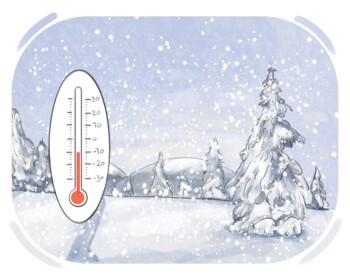
cold
cold
[Adjetivo]

having a temperature lower than the human body's average temperature

frío
frío

Ex: She bundled up in a scarf and gloves to stay warm in the cold weather. 
better
better
[Adjetivo]

having more of a good quality

mejor, superior

mejor, superior

Ex: After the renovation, the hotel rooms now boast better amenities for a more comfortable stay. 

Después de la renovación, las habitaciones del hotel ahora cuentan con mejores comodidades para una estancia más cómoda.
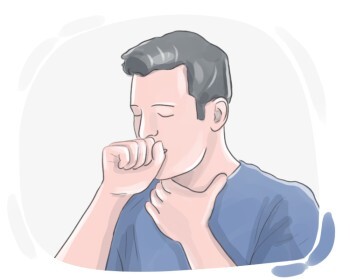
to cough
to cough
[Verbo]

to force air suddenly out of the lungs through the throat with a short, sharp sound

toser
toser

Ex: I started coughing during the night. 
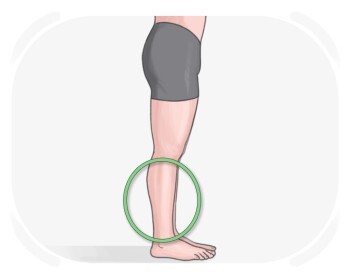
leg
leg
[Sustantivo]

each of the two long body parts that we use when we walk

pierna
pierna

Ex: I massaged my leg to relieve muscle tension. 
temperature
temperature
[Sustantivo]

a measure of how hot or cold something or somewhere is

temperatura
temperatura

Ex: The doctor took his temperature to see if he had a fever. 
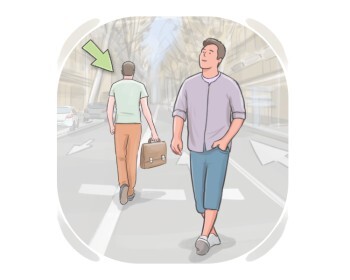
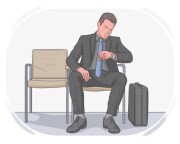
to go
to go
[Verbo]

to travel or move from one location to another

ir
ir

Ex: They have been to Australia twice and loved the experience. 
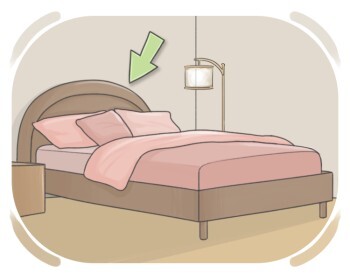
bed
bed
[Sustantivo]

furniture we use to sleep on that normally has a frame and mattress

cama
cama

Ex: I make my bed every morning to keep it tidy. 
to stay
to stay
[Verbo]

to remain in a particular place

quedarse
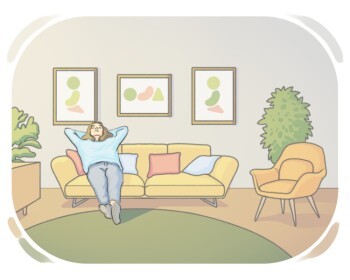
quedarse

Ex: We'll stay at the office to finish the project on time. 
home
home
[Sustantivo]

the place that we live in, usually with our family

casa, hogar
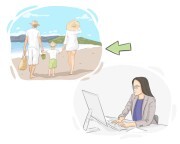
casa, hogar

Ex: He missed his home while traveling and couldn't wait to be back. 
day off
day off
[Sustantivo]

a day when a person does not have to work or go to school, and can instead relax or do other activities

día libre, día de descanso

día libre, día de descanso

Ex: On his day off, he decided to visit a new museum he had been wanting to see. 

En su día libre, decidió visitar un museo nuevo que había estado deseando ver.
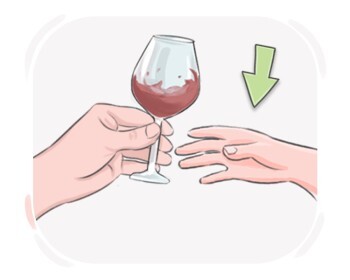
to take
to take
[Verbo]

to reach for something and hold it

tomar

tomar

Ex: May I take your coat and hat, sir? 
painkiller
painkiller
[Sustantivo]

a type of medicine that is used to reduce or relieve pain

analgésico, calmante

analgésico, calmante

Ex: He reached for an over-the-counter painkiller to alleviate his muscle pain from the workout. 

Él alcanzó un analgésico de venta libre para aliviar su dolor muscular después del entrenamiento.
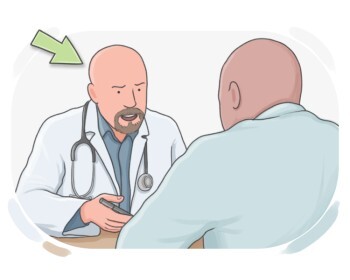
doctor
doctor
[Sustantivo]

someone who has studied medicine and treats sick or injured people

médico
médico

Ex: The doctor asked me about my symptoms and medical history to make a diagnosis. 
cough medicine
cough medicine
[Sustantivo]

a‌ medicine, often in a form of liquid, that one takes to relieve coughing

medicamento para la tos, antitusivo

medicamento para la tos, antitusivo

Ex: Cough medicine can help reduce coughing at night. 

El jarabe para la tos puede ayudar a reducir la tos por la noche.
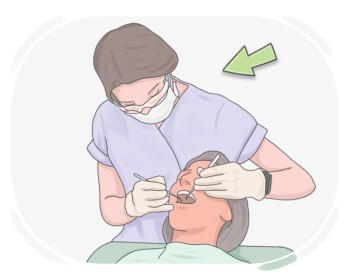
dentist
dentist
[Sustantivo]

someone who is licensed to fix and care for our teeth

dentista
dentista

Ex: The dentist recommended that I brush my teeth twice a day and floss regularly. 
antibiotic
antibiotic
[Sustantivo]

a medicine that kills or stops the growth of bacteria

antibiótico

antibiótico

Ex: Penicillin is a widely used antibiotic. 

La penicilina es un antibiótico ampliamente utilizado.

LanGeek
Descargar la aplicación LanGeek