pattern

Książka Face2face - Podstawowy - Jednostka 10 - 10C

Tutaj znajdziesz słownictwo z Unitu 10 - 10C w podręczniku Face2Face Elementary, takie jak "ból gardła", "chory", "temperatura" itp.

Przegląd

Fiszki

Pisownia

Test
Zacznij naukę
Face2face - Elementary
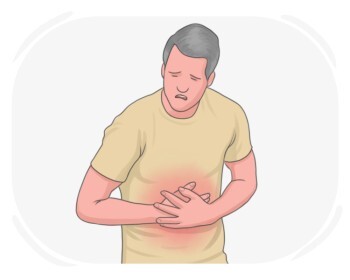
stomachache
stomachache
[Rzeczownik]

a pain in or near someone's stomach

ból brzucha, ból żołądka

ból brzucha, ból żołądka

Ex: She took a hot bath to help soothe her stomachache. 

Wzięła gorącą kąpiel, aby pomóc złagodzić ból brzucha.
ill
ill
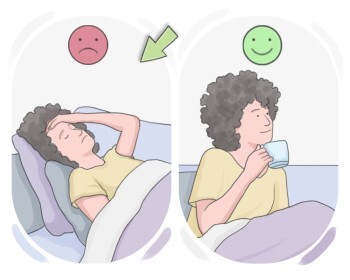
[przymiotnik]

not in a fine mental or physical state

chory, niedysponowany
chory, niedysponowany

Ex: She has been feeling ill for a week and finally decided to see a doctor. 
back
back
[Rzeczownik]

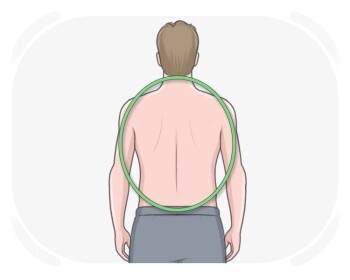
the part of our body between our neck and our legs that we cannot see

plecy, kręgosłup
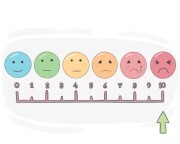
plecy, kręgosłup

Ex: He bent his back to lift the heavy box. 
terrible
terrible
[przymiotnik]

extremely bad or unpleasant

straszny, okropny

straszny, okropny

Ex: The movie received terrible reviews from critics due to its poor plot and acting. 

Film otrzymał straszne recenzje od krytyków z powodu słabej fabuły i gry aktorskiej.
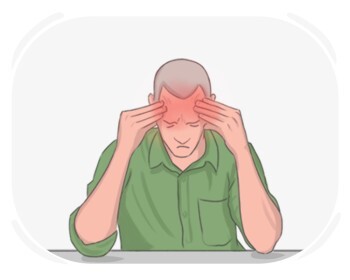
headache
headache
[Rzeczownik]

a pain in the head, usually persistent

ból głowy
ból głowy

Ex: She often gets a headache when she's tired. 
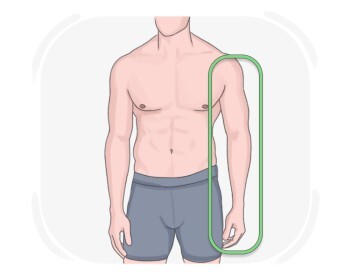
arm
arm
[Rzeczownik]

one of the two body parts that is connected to the shoulder and ends with fingers

ramię
ramię

Ex: He got a sunburn on his arm after spending the day at the beach. 
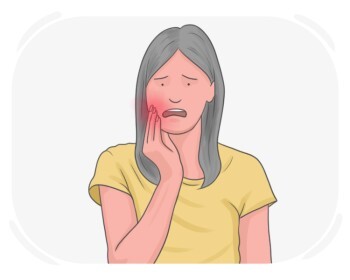
toothache
toothache
[Rzeczownik]

pain felt in a tooth or several teeth

ból zęba, zęboból

ból zęba, zęboból

Ex: If you have a toothache, you should avoid very hot or cold drinks. 

Jeśli masz ból zęba, powinieneś unikać bardzo gorących lub bardzo zimnych napojów.

sick
sick
[przymiotnik]

not in a good and healthy physical or mental state

chory, mdłości
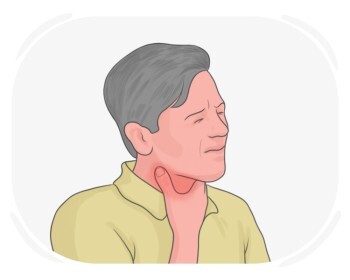
chory, mdłości

Ex: I think the milk was bad; it made me sick. 
sore throat
sore throat
[Rzeczownik]

a condition when you feel pain in the throat, usually caused by bacteria or viruses

ból gardła

ból gardła

Ex: His sore throat made it difficult for him to talk. 

Jego ból gardła utrudniał mu mówienie.
foot
foot
[Rzeczownik]

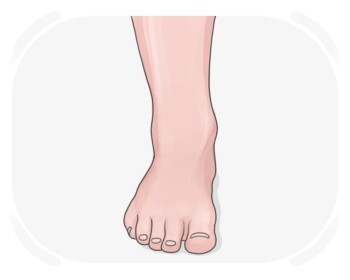
the body part that is at the end of our leg and we stand and walk on

stopa, noga
stopa, noga

Ex: He traced patterns in the sand with his foot, leaving temporary imprints. 
cold
cold
[przymiotnik]

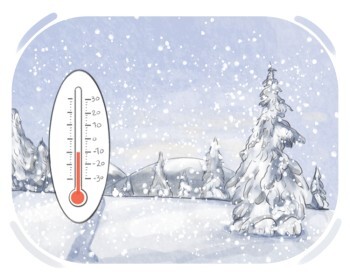
having a temperature lower than the human body's average temperature

zimny, lodowaty
zimny, lodowaty

Ex: I prefer to drink cold water on a hot day. 
better
better
[przymiotnik]

having more of a good quality

lepszy, doskonalszy

lepszy, doskonalszy

Ex: The enhanced software provides a better user experience with improved functionality. 

Ulepszone oprogramowanie zapewnia lepsze wrażenia użytkownika dzięki ulepszonej funkcjonalności.
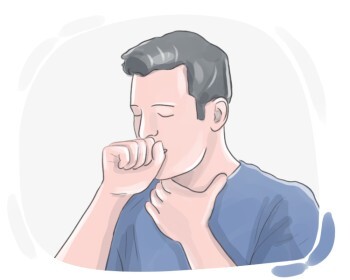
to cough
to cough
[Czasownik]

to force air suddenly out of the lungs through the throat with a short, sharp sound

kaszleć
kaszleć

Ex: She coughed loudly to get his attention. 
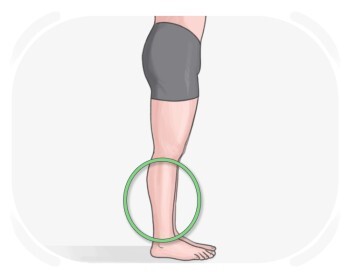
leg
leg
[Rzeczownik]

each of the two long body parts that we use when we walk

noga
noga

Ex: He stretched his legs before going for a run to prevent muscle cramps. 
temperature
temperature
[Rzeczownik]

a measure of how hot or cold something or somewhere is

temperatura, stopień ciepła
temperatura, stopień ciepła

Ex: The temperature outside dropped below freezing overnight. 
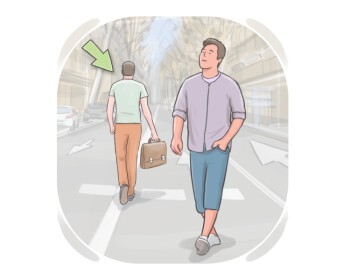
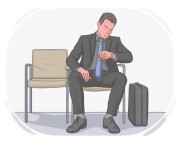
to go
to go
[Czasownik]

to travel or move from one location to another

iść, przemieszczać się
iść, przemieszczać się

Ex: Wouldn't it be more convenient to go by bus? 
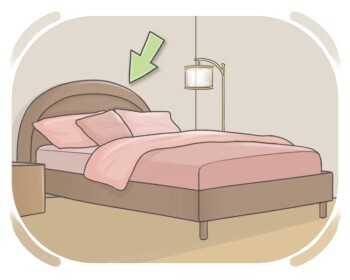
bed
bed
[Rzeczownik]

furniture we use to sleep on that normally has a frame and mattress

łóżko, posłanie
łóżko, posłanie

Ex: I have a bedside table next to my bed for my books and glasses. 
to stay
to stay
[Czasownik]

to remain in a particular place

pozostać, przebywać
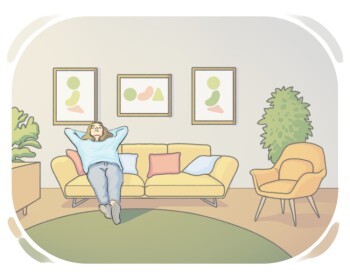
pozostać, przebywać

Ex: The weather is too unpredictable, so it's better to stay indoors. 
home
home
[Rzeczownik]

the place that we live in, usually with our family

dom, ognisko domowe
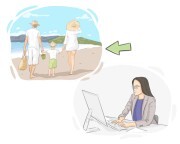
dom, ognisko domowe

Ex: The family moved into a new home in the suburbs. 
day off
day off
[Rzeczownik]

a day when a person does not have to work or go to school, and can instead relax or do other activities

dzień wolny, dzień odpoczynku

dzień wolny, dzień odpoczynku

Ex: Taking a day off from work can greatly improve your overall well-being. 

Wzięcie dnia wolnego od pracy może znacznie poprawić ogólne samopoczucie.
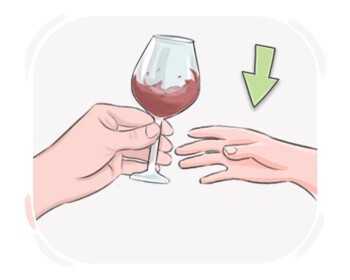
to take
to take
[Czasownik]

to reach for something and hold it

brać, chwytać
brać, chwytać

Ex: He took the cup of coffee from the table and sipped it slowly. 
painkiller
painkiller
[Rzeczownik]

a type of medicine that is used to reduce or relieve pain

środek przeciwbólowy, lekarstwo przeciwbólowe

środek przeciwbólowy, lekarstwo przeciwbólowe

Ex: They discussed the possible side effects of the painkiller with the pharmacist. 

Omówili z farmaceutą możliwe skutki uboczne leku przeciwbólowego.
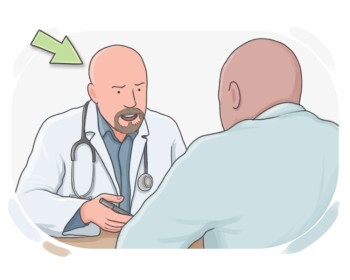
doctor
doctor
[Rzeczownik]

someone who has studied medicine and treats sick or injured people

lekarz, doktor
lekarz, doktor

Ex: I want to become a doctor so I can take care of people's health. 
cough medicine
cough medicine
[Rzeczownik]

a‌ medicine, often in a form of liquid, that one takes to relieve coughing

syrop na kaszel, lek na kaszel

syrop na kaszel, lek na kaszel

Ex: She gave her child a dose of cough medicine before bed. 

Dała swojemu dziecku dawkę syropu na kaszel przed snem.
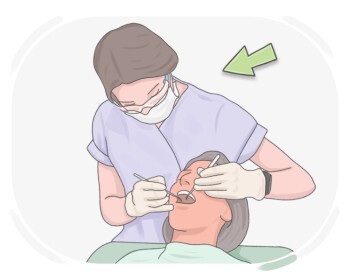
dentist
dentist
[Rzeczownik]

someone who is licensed to fix and care for our teeth

dentysta, stomatolog
dentysta, stomatolog

Ex: The dentist showed me the proper technique for brushing and gave me a new toothbrush. 
antibiotic
antibiotic
[Rzeczownik]

a medicine that kills or stops the growth of bacteria

antybiotyk, lek przeciwbakteryjny

antybiotyk, lek przeciwbakteryjny

Ex: Overuse of antibiotics can cause resistance. 

Nadużywanie antybiotyków może powodować oporność.

LanGeek
Pobierz aplikację LanGeek