
El libro Face2face - Intermedio - Unidad 12 - 12C - Parte 1
Aquí encontrarás el vocabulario de la Unidad 12 - 12C - Parte 1 del libro de curso Face2Face Intermediate, como "atracción", "decepcionar", "protector", etc.
Revisión
Tarjetas de memoria
formas
Ortografía
Cuestionario


a state of deep unconsciousness, typically of a long duration and caused by a serious injury or severe illness

coma
Los médicos monitorearon su actividad cerebral mientras estaba en coma.
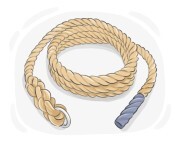
a strong, thick cord made by twisting or braiding strands of fiber, wire, or similar material together
cuerda, soga
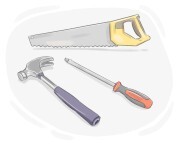
the necessary things that you need for doing a particular activity or job
equipo

a modern building that is very tall, often built in a city
rascacielos
El arquitecto diseñó un rascacielos futurista con fachadas de vidrio.
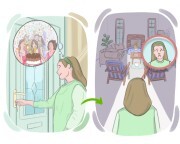
to fail to meet someone's expectations or hopes, causing them to feel let down or unhappy
decepcionar, desilusionar
Obtener una baja calificación en el examen la decepcionó.
the feeling of sadness or dissatisfaction caused by unmet hopes or expectations
decepción
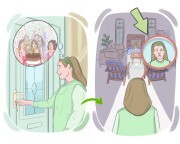
not satisfied or happy with something, because it did not meet one's expectations or hopes
decepcionado
La expresión decepcionada en su rostro revelaba su tristeza.
not fulfilling one's expectations or hopes
decepcionante
Recibir una calificación decepcionante en el examen fue un golpe para su confianza.
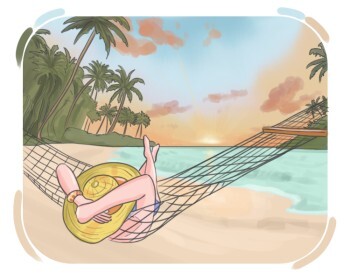
to take pleasure or find happiness in something or someone
disfrutar, gozar
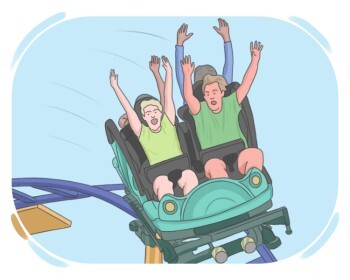
the feeling of pleasure that someone experiences from an activity, a thing or a situation
disfrute, goce
El disfrute de los niños en el parque de atracciones era evidente en sus risas.
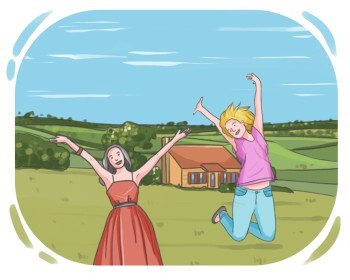
(of an activity or an event) making us feel good or giving us pleasure
divertido
Encuentro que leer libros es un pasatiempo agradable.
to prevent someone or something from being damaged or harmed
proteger

the act of keeping someone or something unharmed
protección
(of a thing or type of behavior) appropriate for or intended to defend one against damage or harm
protector, defensivo
El equipo protector que usaban los trabajadores los protegió de los peligros potenciales en el lugar de trabajo.
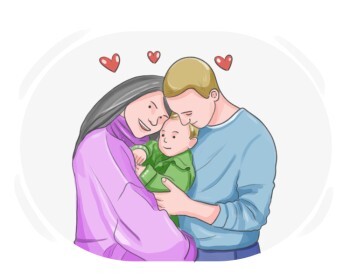
to consider something or someone important and to have a feeling of worry or concern toward them
preocuparse por
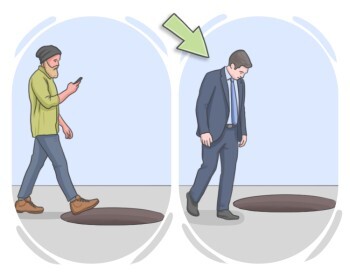
giving attention or thought to what we are doing to avoid doing something wrong, hurting ourselves, or damaging something
cuidadoso
Ella tuvo cuidado de no despertar al bebé dormido.
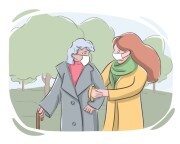
the act of providing treatment and paying attention to the physical and emotional needs of someone or something
asistencia, atención
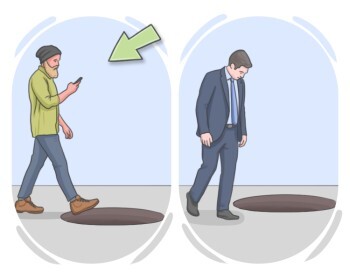
not paying enough attention to what we are doing
descuidado
Era tan descuidado con sus palabras, a menudo diciendo cosas sin pensar.
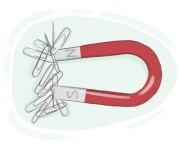
to interest and draw someone or something toward oneself through specific features or qualities
atraer
a quality or feature that makes someone or something interesting, appealing, or desirable
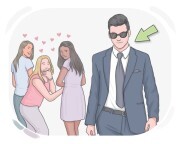
having features or characteristics that are pleasing
atractivo, hermoso
El cantante carismático tiene una voz atractiva que cautiva al público.
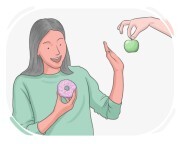
to want or choose one person or thing instead of another because of liking them more
preferir

a tendency or predisposition to favor something over other options
preferencia
more desirable or favored compared to other options
preferible
En su opinión, contratar localmente era preferible a externalizar el trabajo en el extranjero.
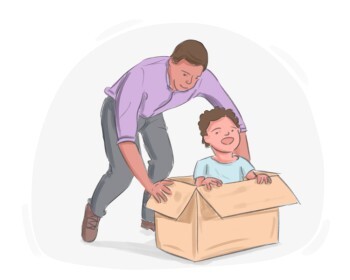
to amuse or interest someone so that they enjoy themselves
entretener, divertir
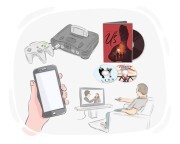
activities, performances, films, shows, or other things provided for people's enjoyment
entretenimiento
providing amusement, often through humor, drama, or skillful performance
divertido, entretenido, ameno
Pasamos la noche jugando juegos de mesa, encontrándolos entretenidos de manera sorprendente y una gran manera de conectar con amigos.
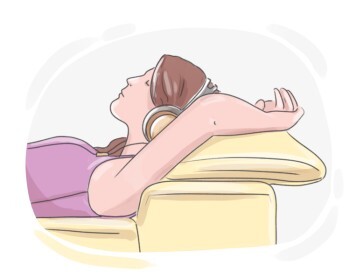
to feel less worried or stressed
descansar
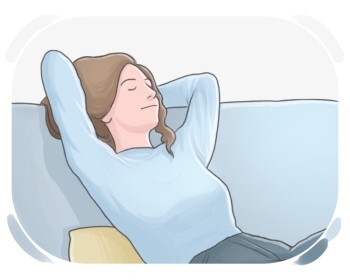
a state of physical or mental calm in which tension and stress are reduced
relajación, descanso
helping our body or mind rest
relajante
Dar un paseo tranquilo por la naturaleza puede ser relajante y rejuvenecedor.
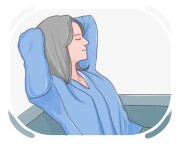
feeling calm and at ease without tension or stress
relajado, tranquilo
La playa serena y las olas suaves la hicieron sentirse relajada y despreocupada.
