pattern

Vocabulario del Transporte Marítimo - Barco

Revisión

Tarjetas de memoria

formas

Ortografía

Cuestionario

Empezar a aprender
Water Transportation Vocabulary
ship
ship
[Sustantivo]

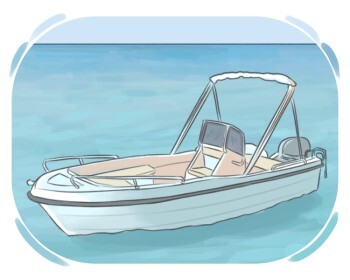
a large boat, used for carrying passengers or goods across the sea

barco, navío
barco, navío

Ex: The ship sailed across the ocean, carrying cargo from one country to another. 

El barco navegó a través del océano, transportando carga de un país a otro.

boat
boat
[Sustantivo]

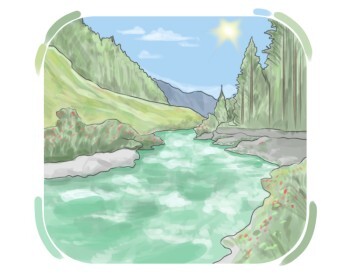
a type of small vehicle that is used to travel on water

bote
bote

Ex: The boat slowly drifted along the river, carried by the gentle current. 

El barco se deslizaba lentamente por el río, llevado por la suave corriente.

river
river
[Sustantivo]

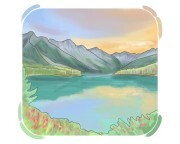
a natural and continuous stream of water flowing on the land to the sea, a lake, or another river

río
río

Ex: The river flowed gently, reflecting the surrounding trees. 

El río fluía suavemente, reflejando los árboles circundantes.

lake
lake
[Sustantivo]

a large area of water, surrounded by land

lago

lago

Ex: The mountain's reflection in the lake was stunning. 

El reflejo de la montaña en el lago era impresionante.

the ocean
the ocean
[Sustantivo]

the great mass of salt water that covers most of the earth's surface

océano

océano

Ex: The ocean depths are still largely unexplored. 

Las profundidades del océano todavía están en gran parte inexploradas.

wooden
wooden
[Adjetivo]

made of a hard material that forms the branches and trunks of trees

de madera, maderero

de madera, maderero

Ex: The children played with wooden blocks, building towers and structures. 

Los niños jugaron con bloques de madera, construyendo torres y estructuras.

over time
over time
[Adverbio]

as time passes or progresses

con el tiempo, a lo largo del tiempo

con el tiempo, a lo largo del tiempo

Ex: The study measures the increase in biodiversity over time in the protected area. 

El estudio mide el aumento de la biodiversidad con el tiempo en el área protegida.
ancient
ancient
[Adjetivo]

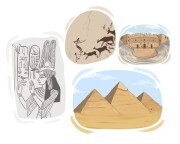
related or belonging to a period of history that is long gone

antiguo
antiguo

Ex: The artifacts displayed in the museum date back to ancient times. 

Los artefactos exhibidos en el museo se remontan a tiempos antiguos.

Egyptian
Egyptian
[Sustantivo]

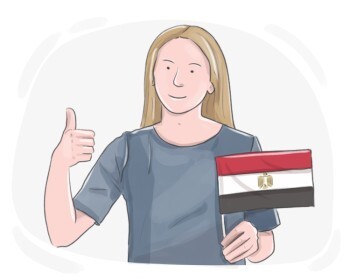
a native or inhabitant of Egypt

egipcio, egipcia

egipcio, egipcia

wood
wood
[Sustantivo]

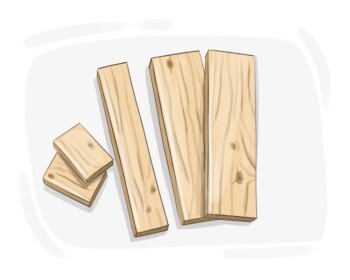
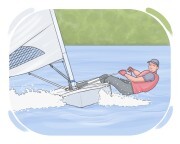
the hard material that the trunk and branches of a tree or shrub are made of, used for fuel or timber

bosque
bosque

Ex: The tree's wood was too soft for furniture, but good for papermaking. 

La madera del árbol era demasiado blanda para muebles, pero buena para hacer papel.

to sail
to sail
[Verbo]

to travel on water using the power of wind or an engine

navegar

navegar

Ex: In favorable conditions, the small dinghy sailed effortlessly across the serene lake. 

En condiciones favorables, el pequeño bote navegó sin esfuerzo a través del lago sereno.

nile river
nile river
[Sustantivo]

the world's longest river (4150 miles); flows northward through eastern Africa into the Mediterranean; the Nile River valley in Egypt was the site of the world's first great civilization

el río Nilo, el Nilo

el río Nilo, el Nilo

oar
oar
[Sustantivo]

a tool used by rowers to propel and steer a boat through the water

remo, paleta

remo, paleta

Ex: The rowers synchronized their oar movements to maintain speed. 

Los remeros sincronizaron los movimientos de su remo para mantener la velocidad.

to [catch] the wind

to capture and harness the force of the wind, in order to generate motion or energy

Ex: That old windmill still catches the wind like a champ. 
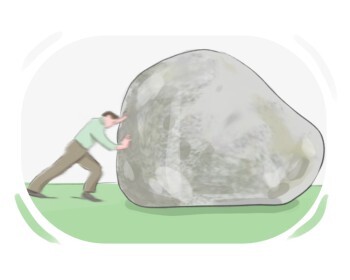
sail
sail
[Sustantivo]

a large sheet of fabric, typically canvas, designed to catch the wind and propel a sailing vessel forward

vela, vela mayor
vela, vela mayor

Ex: The yacht featured a sleek, modern sail for optimal performance. 

El yate contaba con una vela elegante y moderna para un rendimiento óptimo.

to push
to push
[Verbo]

to use your hands, arms, body, etc. in order to make something or someone move forward or away from you

empujar

empujar

Ex: The teacher told the students to push their chairs under the table. 

El profesor les dijo a los estudiantes que empujaran sus sillas debajo de la mesa.

stick
stick
[Sustantivo]

a long, thin object, often resembling a piece of wood, used for pointing, drawing attention, or performing specific actions

palo, varita
palo, varita

Ex: The conductor used a stick to lead the orchestra. 

El director usó una vara para dirigir la orquesta.

to row
to row
[Verbo]

to move a boat or other watercraft through water using oars or paddles

remar, bogar
remar, bogar

Ex: In the open sea, the experienced sailors rowed the lifeboat back to the ship. 

En mar abierto, los marineros experimentados remaron el bote salvavidas de regreso al barco.

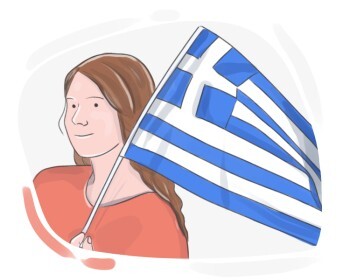
Greek
Greek
[Sustantivo]

an individual of Greek nationality or heritage

Griego, Heleno

Griego, Heleno

Ex: She became friends with a Greek during her travels. 

Ella se hizo amiga de un griego durante sus viajes.

Roman
Roman
[Sustantivo]

an inhabitant of the ancient Roman Empire

Romano, Ciudadano romano
Romano, Ciudadano romano

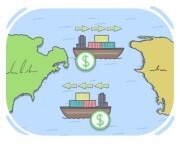
trade
trade
[Sustantivo]

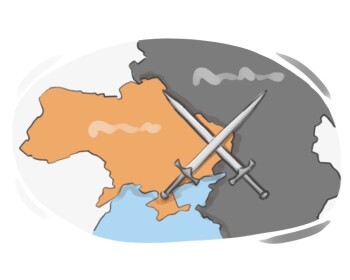
the activity of exchanging goods or services

comercio
comercio

Ex: Local markets thrive on the trade of fresh produce and handmade goods. 

Los mercados locales prosperan con el comercio de productos frescos y bienes hechos a mano.

war
war
[Sustantivo]

a state of armed fighting between two or more groups, nations, or states

guerra

guerra

Ex: The impact of war on civilians is often devastating, leading to displacement, injury, and loss. 

El impacto de la guerra en los civiles suele ser devastador, lo que lleva al desplazamiento, lesiones y pérdidas.

to carry
to carry
[Verbo]

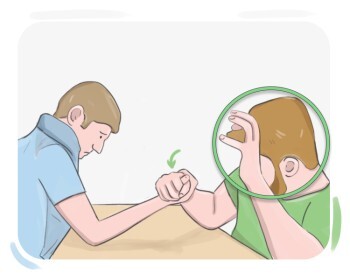
to hold someone or something and take them from one place to another

llevar
llevar

Ex: The river's current can easily carry small boats downstream. 

La corriente del río puede fácilmente llevar pequeños botes río abajo.

powerful
powerful
[Adjetivo]

possessing great strength or force

poderoso

poderoso

Ex: The powerful tools in the workshop helped complete the job quickly. 

Las herramientas poderosas en el taller ayudaron a completar el trabajo rápidamente.
century
century
[Sustantivo]

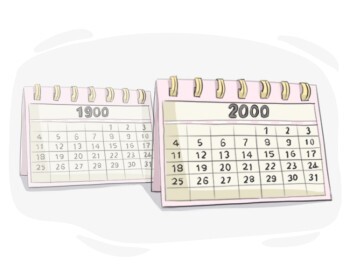
a period of one hundred years

siglo, centuria

siglo, centuria

Ex: The city celebrated its third century of existence last year. 

La ciudad celebró su tercer siglo de existencia el año pasado.

explorer
explorer
[Sustantivo]

a person who visits unknown places to find out more about them

explorador

explorador

Ex: Ancient explorers relied on stars and maps to navigate the seas. 

Los antiguos exploradores dependían de las estrellas y los mapas para navegar por los mares.

land
land
[Sustantivo]

the territory occupied by a nation

tierra, territorio
tierra, territorio

Ex: He returned to his native land after many years abroad. 
supply
supply
[Sustantivo]

(plural) necessary things, such as food, medicines, clothes, etc. for a group of people

existencias

existencias

Ex: The hospital faced shortages of medical supplies due to increased demand during the pandemic. 

El hospital enfrentó escasez de suministros médicos debido al aumento de la demanda durante la pandemia.

steam engine
steam engine
[Sustantivo]

a machine that uses steam made from boiling water to produce power and make parts move

máquina de vapor, motor de vapor

máquina de vapor, motor de vapor

Ex: The steam engine changed travel and work in the 1800s. 

La máquina de vapor cambió los viajes y el trabajo en el siglo XIX.

steamship
steamship
[Sustantivo]

a large vessel driven by steam-powered engines

Ex: The steamship's massive paddle wheels churned the water as it departed. 
wind
wind
[Sustantivo]

air that moves quickly or strongly in a current as a result of natural forces

viento

viento

Ex: She tied her hair back because of the strong wind. 

Se recogió el pelo hacia atrás debido al fuerte viento.

steam
steam
[Sustantivo]

energy or power produced by the pressure of boiling water vapor

vapor

vapor

Ex: The turbines generated electricity using steam pressure. 

Las turbinas generaron electricidad utilizando la presión del vapor.

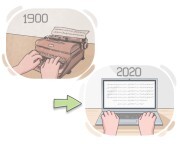
to burn
to burn
[Verbo]

to make something catch fire and undergo combustion

quemar, arder
quemar, arder

Ex: The arsonist intentionally burned the building down with a gas-soaked rag. 

El pirómano quemó intencionalmente el edificio con un trapo empapado en gasolina.

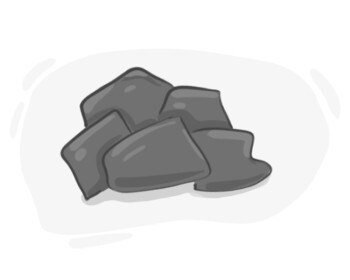
coal
coal
[Sustantivo]

a type of fossil fuel, which is black and found in the ground, typically used as a source of energy

carbón
carbón

Ex: Despite efforts to transition to cleaner energy sources, coal remains an important fuel in many countries due to its abundance and affordability. 

A pesar de los esfuerzos por transitar hacia fuentes de energía más limpias, el carbón sigue siendo un combustible importante en muchos países debido a su abundancia y asequibilidad.

advanced
advanced
[Adjetivo]

newly developed and incorporating new, modern methods or technology

avanzado

avanzado

Ex: Scientists developed advanced methods for tracking climate change indicators. 

Los científicos desarrollaron métodos avanzados para rastrear los indicadores del cambio climático.
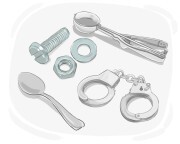
steel
steel
[Sustantivo]

a type of hard metal that is made of a mixture of iron and carbon, used in construction of buildings, vehicles, etc.

acero, metal duro
acero, metal duro

Ex: The car's chassis was made from a blend of steel and aluminum. 

El chasis del coche estaba hecho de una mezcla de acero y aluminio.

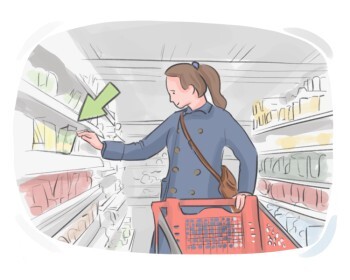
goods
goods
[Sustantivo]

items made or produced for sale

bienes

bienes

Ex: The shipment of goods arrived late, causing a delay in restocking the shelves. 

El envío de mercancías llegó tarde, lo que causó un retraso en el reabastecimiento de los estantes.

oil tanker
oil tanker
[Sustantivo]

a large cargo ship built for transporting crude oil in bulk

Ex: The oil tanker was escorted by tugboats through the narrow channel. 
container ship
container ship
[Sustantivo]

a cargo vessel built to carry standardised shipping containers

Ex: The container ship was loaded with electronics, clothing, and machinery. 
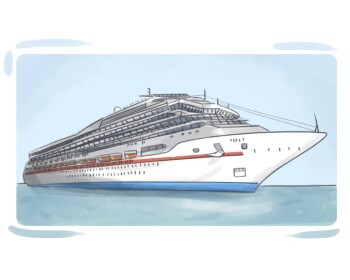
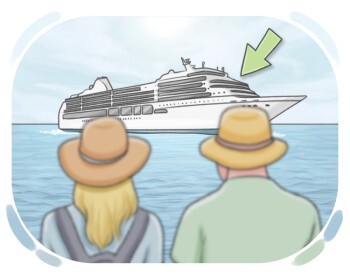
cruise ship
cruise ship
[Sustantivo]

a big ship for vacation trips, usually with fun things to do and entertainment on board

barco de crucero, buque de crucero

barco de crucero, buque de crucero

Ex: They spent their honeymoon on a luxury cruise ship. 

Pasaron su luna de miel en un barco de crucero de lujo.
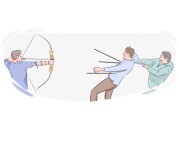
to protect
to protect
[Verbo]

to prevent someone or something from being damaged or harmed

proteger

proteger

Ex: Our aim is to protect the jobs of our members. 

Nuestro objetivo es proteger los empleos de nuestros miembros.

military
military
[Sustantivo]

the armed forces of a country

fuerzas armadas, militares

fuerzas armadas, militares

Ex: The military plays a crucial role in national defense and security. 

El ejército juega un papel crucial en la defensa y seguridad nacional.

floating
floating
[Adjetivo]

borne up by or suspended in a liquid

flotante, que flota

flotante, que flota

Ex: The child reached for a floating toy. 
restaurant
restaurant
[Sustantivo]

a place where we pay to sit and eat a meal

restaurante

restaurante

Ex: They celebrated their anniversary at a fancy restaurant overlooking the city. 

Celebraron su aniversario en un restaurante elegante con vistas a la ciudad.

theater
theater
[Sustantivo]

a place, usually a building, with a stage where plays and shows are performed

teatro
teatro

Ex: The theater downtown is putting on a Shakespeare production. 

El teatro del centro está presentando una producción de Shakespeare.

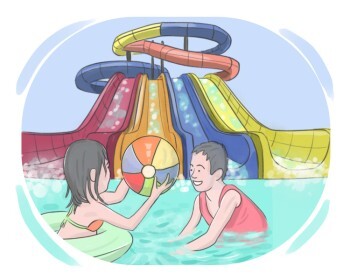
water park
water park
[Sustantivo]

a large park with swimming pools, water slides, etc. that people go to swim and have fun

parque acuático

parque acuático

Ex: The children were excited to try all the slides at the water park. 

Los niños estaban emocionados por probar todos los toboganes en el parque acuático.

LanGeek
Descargar la aplicación LanGeek