
Inglés de Cambridge: FCE (B2 First) - Manejo y Afrontamiento de Situaciones
Aprende vocabulario del FCE para gestionar y afrontar situaciones, incluyendo lidiar con problemas, adaptarse, responder, manejar la presión y encontrar soluciones prácticas.
Revisión
Tarjetas de memoria
formas
Ortografía
Cuestionario


to manage or live without something, usually something considered necessary or desired

pasar sin, prescindir de
Aprendió a prescindir de muchos lujos cuando se mudó a un apartamento más pequeño.
familiar with something, often through repeated experience or exposure
acostumbrado, habituado
Al mudarse a un nuevo país, le tomó algún tiempo acostumbrarse a las costumbres y tradiciones locales.
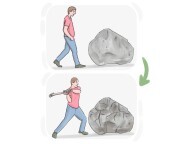
to try to deal with a difficult problem or situation in a determined manner
abordar, confrontar
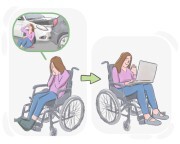
to handle a difficult situation and deal with it successfully
aguantar, afrontar

to complete or do something that one could not do earlier, often because of a busy schedule
ponerse al día con, ponerse al corriente con
Voy a ponerme al día con la lista de lectura durante el fin de semana.
to express the desire to finish something, especially something unpleasant or something that one wants to avoid
terminar con, quitarse de encima
No podía relajarse hasta que no terminara con la presentación.

to cause someone or something to become less upset, angry, or nervous
calmar, tranquilizar
El profesor tranquilizó a los estudiantes después del simulacro de incendio.
to end a relationship, particularly a friendly one
romper, cortar lazos
Al darse cuenta de la toxicidad de la amistad, tomó la difícil decisión de cortar con su amigo de toda la vida.
to cause a person to dislike someone or something
desalentar
Ella fue desalentada por sus constantes interrupciones durante la conversación.

to tolerate something or someone unpleasant, often without complaining
aguantar, soportar
Los amigos soportan las peculiaridades y diferencias de los demás para mantener relaciones sólidas.

to confront and deal with a difficult or unpleasant situation directly and courageously
enfrentarse a, afrontar una realidad difícil
Puede ser un desafío, pero es importante afrontar las consecuencias de nuestras acciones.

to experience or endure something, particularly a difficult or challenging situation
atravesar, padecer
Muchas personas pasan por una fase de duda e incertidumbre durante sus años de adolescencia.
to come to be or to happen
suceder, ocurrir
La fiesta está programada para llevarse a cabo este fin de semana, llueva o truene.

to fulfill expectations or standards set by oneself or others
estar a la altura de, cumplir con las expectativas de
resting or sleeping
dormido, descansando
![to [put] up a fight](https://cdn.langeek.co/photo/43112/thumb/350?type=jpeg "to [put] up a fight")
to try one's best to stay strong and determined in the face of danger or extremely low odds of success
oponerse, luchar
El boxeador luchó hasta el último asalto.

to make something stop burning or shining
apagar, hacer que deje de arder o brillar
Los bomberos trabajaron duro para apagar el incendio forestal.
