
Cambridgeská angličtina: FCE (B2 First) - Řízení a Zvládání Situací
Naučte se slovní zásobu FCE pro zvládání a vypořádávání se situacemi, včetně řešení problémů, přizpůsobování se, reagování, zvládání tlaku a hledání praktických řešení.
Revize
Kartičky
tvary
Pravopis
Kvíz


to manage or live without something, usually something considered necessary or desired

obejít se bez, vystačit si bez
Bez svých brýlí se neobejdu, takže se vždy ujistím, že je mám.
familiar with something, often through repeated experience or exposure
zvyklý, obeznámený
Žijíc v bilingvní domácnosti si zvykla bez námahy přepínat mezi jazyky.
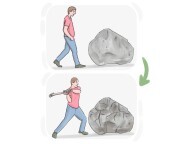
to try to deal with a difficult problem or situation in a determined manner
řešit, vypořádat se s
Vlády po celém světě řeší změnu klimatu prostřednictvím různých iniciativ.
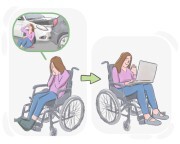
to handle a difficult situation and deal with it successfully
zvládat, vyrovnat se
Páry mohou navštěvovat poradenské sezení, aby zvládly vztahové obtíže a zlepšily komunikaci.

to complete or do something that one could not do earlier, often because of a busy schedule
dohnat, dostihnout
Po konferenci dohnal průmyslové zprávy.
to express the desire to finish something, especially something unpleasant or something that one wants to avoid
dokončit, zbavit se
Rozhodl se dokončit papírování před setkáním s přáteli na večeři.

to cause someone or something to become less upset, angry, or nervous
uklidnit, utišit
Prosím, uklidněte rozzlobeného zákazníka, než se situace vyhrotí.
to end a relationship, particularly a friendly one
přerušit, ukončit vztah
Po sérii zrad se rozhodla přerušit vztahy se svým nespolehlivým přítelem.
to cause a person to dislike someone or something
odradit, odpudit
Byli odrazeni vysokými cenami a rozhodli se nakupovat jinde.
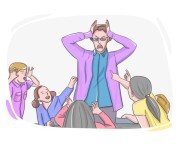
to tolerate something or someone unpleasant, often without complaining
snášet, tolerovat
Učitelé snášejí složitosti virtuálních tříd, aby zajistili vzdělání studentů.
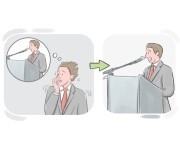
to confront and deal with a difficult or unpleasant situation directly and courageously
čelit, postavit se
Jako zodpovědný vůdce je zásadní čelit výzvám a rozhodovat se pro zlepšení týmu.

to experience or endure something, particularly a difficult or challenging situation
projít, snášet
Prošla si kreativní fází, zkoušela malovat a sochat.
to come to be or to happen
dít se, odehrávat se
Můžeš mi říct, co se děje se stavbou vedle?
to fulfill expectations or standards set by oneself or others
splnit očekávání, být hodný pověsti
Atlet dostál své pověsti šampiona, předvedl ohromující výkon, který okouzlil publikum.
in a state of repose or especially sleep
v klidu, v stavu klidu
![to [put] up a fight](https://cdn.langeek.co/photo/43112/thumb/350?type=jpeg "to [put] up a fight")
to try one's best to stay strong and determined in the face of danger or extremely low odds of success
bránit se, bojovat
Musíš se bránit, pokud chceš udržet svou pozici.
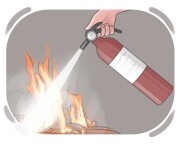
to make something stop burning or shining
uhasit, zhasnout
Vítr uhasil lucerny na verandě.
