
Le livre Four Corners 4 - Unité 8 Leçon A
Ici, vous trouverez le vocabulaire de l'Unité 8 Leçon A du manuel Four Corners 4, comme "regard", "misjudge", "awkward", etc.
Réviser
Flashcards
formes
Orthographe
Quiz

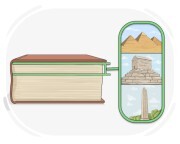
a part of a book that is intended to be used for learning a specific subject

leçon
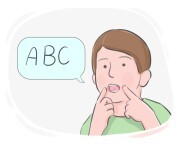
to write or say the letters that form a word one by one in the right order
épeler, écrire

to incorrectly write a word, by using wrong letters or rearranging them in a wrong order
mal orthographier, faire une faute d'orthographe
Assurez-vous de ne pas mal orthographier les noms sur les cartes d'invitation.
to pay close attention to something by looking at it carefully
considérer, observer
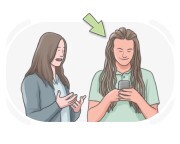
to intentionally ignore or act without concern for something or someone that deserves consideration
ne pas prendre en compte
Il a ignoré les conseils de son médecin pour améliorer son alimentation et faire plus d'exercice.
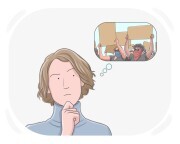
to have a type of belief or idea about a person or thing
penser
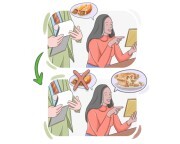
to consider something again in order to improve it or make a different decision
reconsidérer, repenser
Elle a demandé à ses collègues de reconsidérer leur approche du projet.
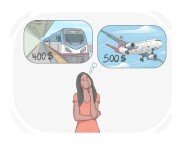
to think about something carefully before making a decision or forming an opinion
considérer, envisager
to think again about an opinion or decision, particularly to see if it needs changing or not
reconsidérer
Elle a reconsidéré sa position sur la question après avoir entendu de nouvelles preuves.

to perform an action that is not mentioned by name
faire

to give a new appearance or design to a room or building by making changes to its decorations or furnishings
refaire, rénover
Elle a refait la cuisine, en installant de nouveaux placards et plans de travail.
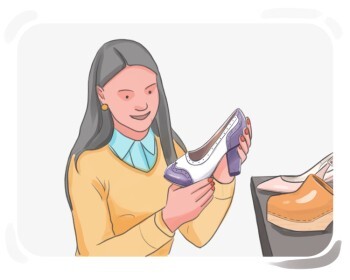
to feel that someone or something is good, enjoyable, or interesting
aimer, aimer bien, apprécier

to not like someone or something
ne pas aimer
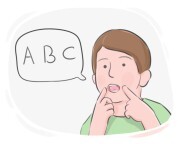
to say the sound of a letter or word correctly or in a specific way
prononcer
Il a prononcé le nom étranger parfaitement après des heures de pratique.

to say a word or words incorrectly, especially with regards to the proper pronunciation
mal prononcer, écorcher
L'étudiant malprononçait souvent des termes scientifiques difficiles en classe, ce qui a conduit à une certaine confusion.
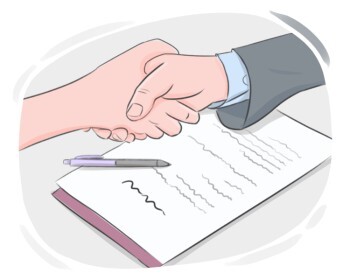
to hold the same opinion as another person about something
être d’accord, s'accorder avec
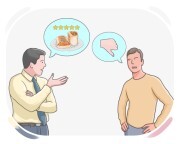
to have or express a different opinion from someone else
ne pas être d'accord
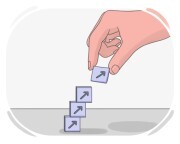
to not stop something, such as a task or activity, and keep doing it
continuer
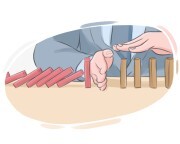
to stop something from happening, being produced, or used any longer
arrêter, cesser
Elle a choisi d'interrompre son abonnement au magazine.
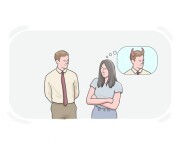
to form a decision or opinion based on what one knows
penser, estimer
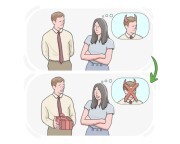
to form an incorrect opinion or assessment about someone or something
mal juger, sous-estimer
Il a mal jugé la situation et a pris une décision qui s'est avérée plus tard peu sage.
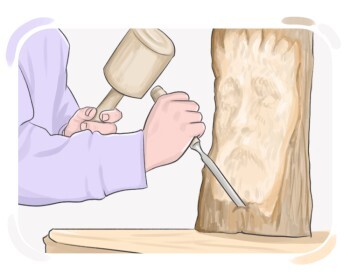
to form, produce, or prepare something, by putting parts together or by combining materials
faire, fabriquer

to produce a new version of something that has already been made
refaire, recréer
Elle a refait la célèbre recette de sa grand-mère pour le dîner de Thanksgiving.
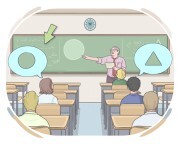
to know something's meaning, particularly something that someone says
comprendre
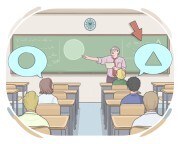
to fail to understand something or someone correctly
mal comprendre
Je pense que tu mal comprends ce que j'essaie de dire.
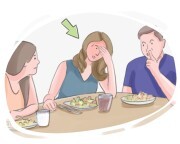
making one feel embarrassed or uncomfortable
gênant, embarrassant
Elle se sentait mal à l'aise quand elle ne connaissait personne à la fête.

the way things are or have been at a certain time or place
situation, contexte
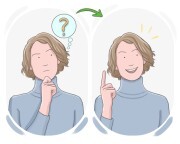
to have a sudden or complete understanding of a fact or situation
réaliser

an act or opinion that is wrong
erreur
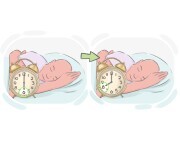
up until the current or given time
encore
Les résultats de l'expérience ne sont pas concluants ; nous n'avons pas encore de conclusion.
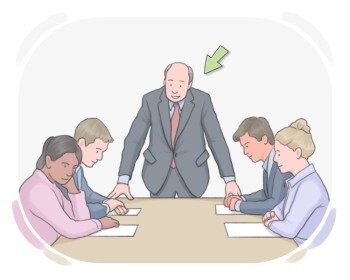
a person who is in charge of a large organization or has an important position there
patron, patronne
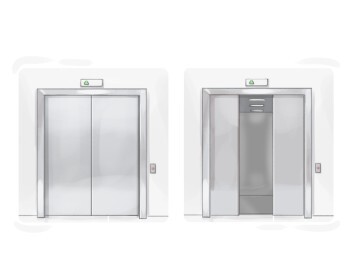
a box-like device that moves up and down and is used to get to the different levels of a building
ascenseur
