

pattern

Le livre Face2Face - Pré-intermédiaire - Unité 9 - 9A

Ici, vous trouverez le vocabulaire de l'Unité 9 - 9A dans le manuel Face2Face Pre-Intermediate, comme "faire la grasse matinée", "accident", "trafic", etc.

Réviser

Flashcards

formes

Orthographe

Quiz

Commencer à apprendre
Face2Face - Pre-intermediate
to oversleep

to wake up later than one intended to

se réveiller en retard

se réveiller en retard

Ex: Many people tend to oversleep on weekends after a busy week. 
lost
lost
[Adjectif]

unable to regain something due to it being gone or not existing anymore

perdu

perdu

Ex: The ancient artifacts were lost to history, buried beneath layers of earth for centuries. 
to leave
to leave
[verbe]

to go away from a place without taking someone or something with one either intentionally or unintentionally

partir, quitter

partir, quitter

Ex: Be careful not to leave your umbrella behind when you get off the bus. 
wallet
wallet
[nom]

a pocket-sized, folding case that is used for storing paper money, coin money, credit cards, etc.

portefeuille

portefeuille

Ex: He reached into his back pocket and pulled out his wallet. 
to miss
to miss
[verbe]

to fail to catch a bus, airplane, etc.

rater

rater

Ex: I got lost on my way to the airport and I'm going to miss my flight. 
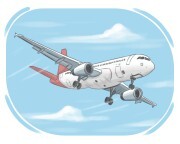
plane
plane
[nom]

a winged flying vehicle driven by one or more engines

avion

avion

Ex: The plane soared gracefully through the clouds. 
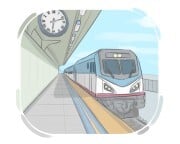
train
train
[nom]

a series of connected carriages that travel on a railroad, often pulled by a locomotive

train

train

Ex: I always enjoy listening to music while traveling on the train. 
to lose
to lose
[verbe]

to be deprived of or stop having someone or something

perdre

perdre

Ex: She lost her hearing as a result of the loud explosion. 
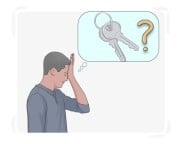
key
key
[nom]

a specially shaped piece of metal used for locking or unlocking a door, starting a car, etc.

clé, clef

clé, clef

Ex: She reached into her purse to retrieve the key to the front door. 
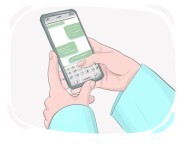
mobile phone

a cellular phone or cell phone; ‌a phone without any wires and with access to a cellular radio system that we can carry with us and use anywhere

téléphone portable

téléphone portable

Ex: She always carries her mobile phone with her to stay connected with friends and family. 
to run out
to run out
[verbe]

to use the available supply of something, leaving too little or none

être à court de, manquer de

être à court de, manquer de

Ex: The restaurant unexpectedly ran out of the popular dish. 
money
money
[nom]

something that we use to buy and sell goods and services, can be in the form of coins or paper bills

argent

argent

Ex: I really need to save money to buy a new bicycle. 
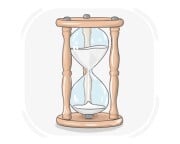
time
time
[nom]

the quantity that is measured in seconds, minutes, hours, etc. using a device like clock

heure

heure

Ex: I need more time to complete this project. 
to forget
to forget
[verbe]

to not be able to remember something or someone from the past

oublier

oublier

Ex: It's easy to forget passwords, so it's essential to use a secure system. 
birthday

the day and month of your birth in every year

anniversaire

anniversaire

Ex: He invited all his friends to his birthday party at the park. 
accident

an unexpected and unpleasant event that happens by chance, usually causing damage or injury

accident

accident

Ex: She had a minor accident in the kitchen and hurt her foot. 
to [get] stuck (in|into)

to not be able to move from a place or position

Ex: The car got stuck in the mud after the rainstorm. 
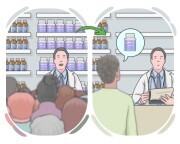
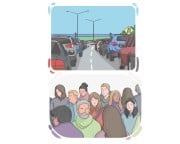
traffic
traffic
[nom]

the coming and going of cars, airplanes, people, etc. in an area at a particular time

circulation

circulation

Ex: The traffic on the highway was heavy during rush hour. 
LanGeek
Télécharger l'application LanGeek