
El libro Face2Face - Pre-intermedio - Unidad 9 - 9A
Aquí encontrarás el vocabulario de la Unidad 9 - 9A en el libro de curso Face2Face Pre-Intermediate, como "quedarse dormido", "accidente", "tráfico", etc.
Revisión
Tarjetas de memoria
formas
Ortografía
Cuestionario
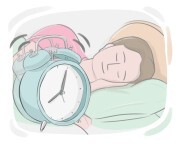
to wake up later than one intended to

quedarse dormido, no despertarse a tiempo
Después de una noche tarde, es fácil quedarse dormido accidentalmente al día siguiente.
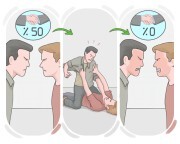
no longer possessed, available, or existing
perdido
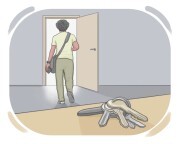
to go away from a place without taking someone or something with one either intentionally or unintentionally
irse, salir
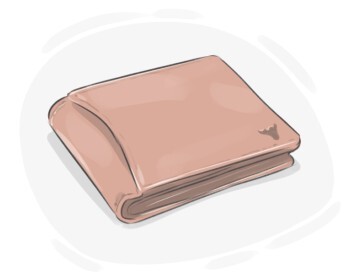
a pocket-sized, folding case that is used for storing paper money, coin money, credit cards, etc.
cartera, billetera
Le robaron su billetera, así que tuvo que cancelar sus tarjetas de crédito.
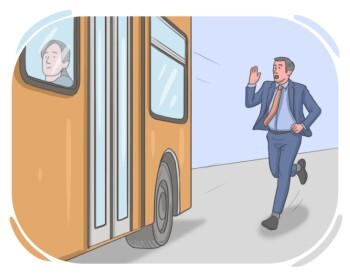
to fail to catch a bus, airplane, etc.
perder
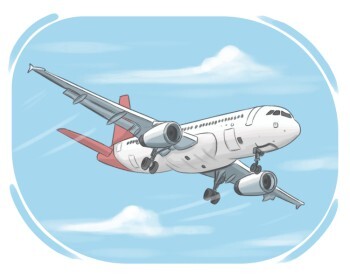
a winged flying vehicle driven by one or more engines
avión
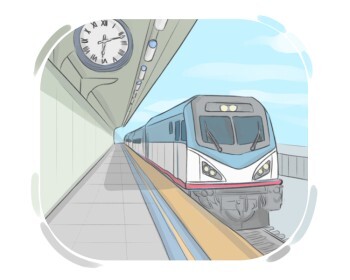
a series of connected carriages that travel on a railroad, often pulled by a locomotive
tren
to be deprived of or stop having someone or something
perder
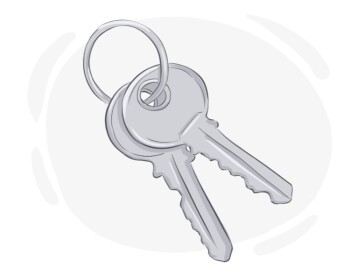
a specially shaped piece of metal used for locking or unlocking a door, starting a car, etc.
llave
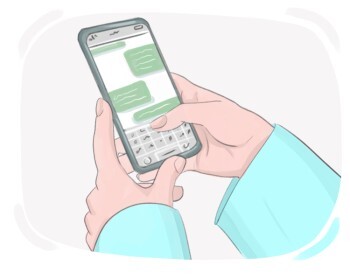
a cellular phone or cell phone; a phone without any wires and with access to a cellular radio system that we can carry with us and use anywhere
teléfono móvil
Muchas personas usan sus teléfonos móviles para algo más que llamar; también acceden a internet y usan varias aplicaciones.

to use the available supply of something, leaving too little or none
quedarse sin, agotar
La tienda se quedó sin desinfectante de manos durante la pandemia.
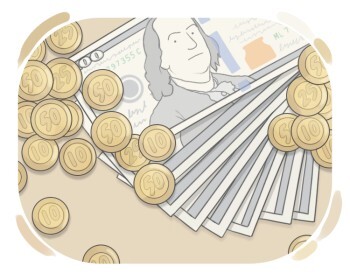
something that we use to buy and sell goods and services, can be in the form of coins or paper bills
dinero
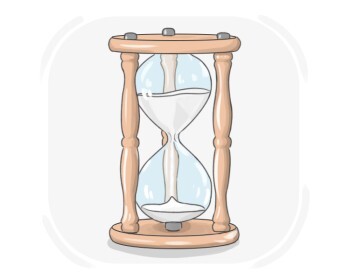
the quantity that is measured in seconds, minutes, hours, etc. using a device like clock
hora
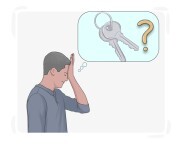
to not be able to remember something or someone from the past
olvidar
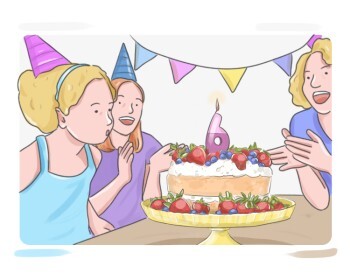
the day and month of your birth in every year
cumpleaños
an unexpected and unpleasant event that happens by chance, usually causing damage or injury
accidente
![to [get] stuck (in|into)](https://cdn.langeek.co/photo/28269/thumb/350?type=jpeg "to [get] stuck (in|into)")
to not be able to move from a place or position
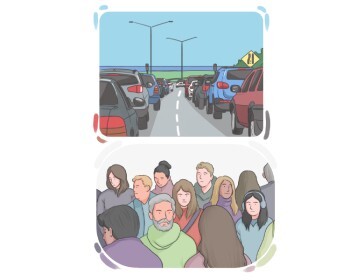
the coming and going of cars, airplanes, people, etc. in an area at a particular time
tráfico
El tráfico aéreo en el aeropuerto aumentó significativamente durante la temporada de vacaciones.
| El libro Face2Face - Pre-intermedio | |||
|---|---|---|---|
| Unidad 8 - 8B | Unidad 8 - 8C | Unidad 8 - 8D | Unidad 9 - 9A |
| Unidad 9 - 9B | Unidad 9 - 9C | Unidad 10 - 10A | Unidad 10 - 10B |
| Unidad 10 - 10D | Unidad 11 - 11A | Unidad 11 - 11B | Unidad 11 - 11C |
| Unidad 12 - 12A | Unidad 12 - 12B | ||
