
Le livre Insight - Avancé - Perspective du Vocabulaire 2
Ici, vous trouverez les mots du Vocabulaire Insight 2 dans le manuel Insight Advanced, tels que "liable", "go against", "rife", etc.
Réviser
Flashcards
Orthographe
Quiz

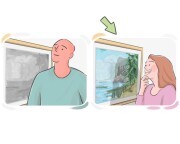
extremely interesting or captivating

fascinant, intéressant, captivant
Ses capacités de narration sont fascinantes, captivant les auditeurs à chaque mot.

considered to be one of the best or most important kind
classique
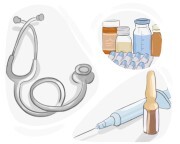
related to medicine, treating illnesses, and health
médical
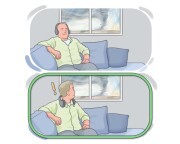
having an understanding or perception of something, often through careful thought or sensitivity
informé
L'entreprise a rendu les employés conscients des nouvelles politiques par le biais de notifications par e-mail.
possible to do a particular action
être sujet à
Lorsque vous conduisez sous influence, vous êtes susceptible de faire face à de graves conséquences juridiques.
used to introduce an additional fact, feature, or point
plus
containing a large amount of something that is usually unpleasant
plein, rempli
Les rues de la ville étaient pleines de nids-de-poule, ce qui rendait la conduite une expérience frustrante.
a plentiful or abundant amount of something
beaucoup, plein
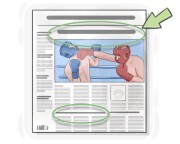
serious and of great importance
important, importante
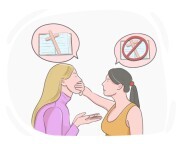
to oppose or resist someone or something
s'opposer à
Dans une société démocratique, les gens ont le droit de s'opposer aux normes établies et de rechercher le changement.

to intentionally ignore unpleasant facts about a situation and hope that the situation improves by doing so
faire l'autruche, se voiler la face
L'entreprise faisait l'autruche face à la baisse des ventes.

to pretend as if one cannot see or notice something
fermer les yeux sur quelque chose, faire comme si de rien n'était
Nous ne pouvons pas fermer les yeux sur la triche à l'examen.

to lower one's body in a gesture of respect or submission, often by bending at the waist or knees
s'incliner, se prosterner
Elle s'est sentie obligée de s'incliner devant la statue, submergée par sa beauté.
a punishment given for breaking a rule, law, or legal agreement
pénalité
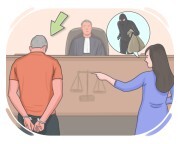
a person in a law court who is sued by someone else or is accused of committing a crime
défendeur, défenderesse, accusé, accusée
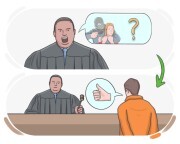
to officially state in court whether one is guilty or not guilty of a criminal charge
plaider, implorer
the legal process of officially accusing someone of a crime and trying to prove their guilt in court
poursuites, poursuites judiciaires
an acknowledgment of having committed a wrong, shameful, or embarrassing act
aveu
Le professeur a encouragé une confession après l'incident de tricherie.
an official judgment in court of law that declares someone not guilty of the crime they were charged with
acquittement
L'acquittement a été une surprise pour de nombreux observateurs, qui avaient anticipé un résultat différent sur la base des preuves présentées.
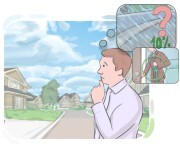
to indicate in advance that something, particularly something bad, will take place
présager, annoncer
La musique sinistre du film présageait une scène tendue et dramatique.
