
El libro Insight - Avanzado - Perspectiva del Vocabulario 2
Aquí encontrarás las palabras del Vocabulario Insight 2 en el libro de curso Insight Advanced, como "liable", "go against", "rife", etc.
Revisión
Tarjetas de memoria
Ortografía
Cuestionario

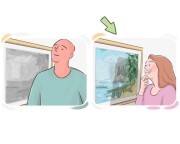
extremely interesting or captivating

fascinante
Los intrincados detalles de la obra de arte la hacen fascinante de estudiar.

considered to be one of the best or most important kind
clásico
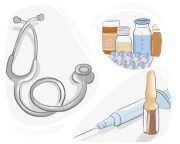
related to medicine, treating illnesses, and health
de medicina
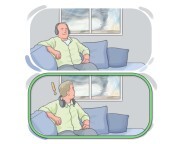
having an understanding or perception of something, often through careful thought or sensitivity
concienciado
No estaba consciente de las consecuencias de sus acciones hasta que fue demasiado tarde.
possible to do a particular action
propenso
Como atleta, es propensa a lesionarse si no calienta adecuadamente antes del entrenamiento.
used to introduce an additional fact, feature, or point
más
containing a large amount of something that is usually unpleasant
abundante
Durante el verano, la zona estaba plagada de mosquitos, lo que hacía difíciles las actividades al aire libre.
a plentiful or abundant amount of something
mucho, bastante
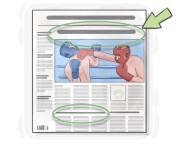
serious and of great importance
importante
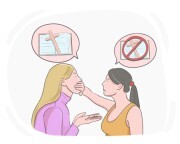
to oppose or resist someone or something
ir en contra de
La decisión del estudiante de ir en contra del estricto código de vestimenta llevó a un debate en toda la escuela.
![to [bury|have] {one's} head in the sand](https://cdn.langeek.co/photo/44824/thumb/350?type=jpeg "to [bury|have] {one's} head in the sand")
to intentionally ignore unpleasant facts about a situation and hope that the situation improves by doing so
enterrar la cabeza en la arena, cerrar los ojos a la realidad
Si enterramos la cabeza en la arena, el problema solo empeorará.
![to [turn] a blind eye](https://cdn.langeek.co/photo/44522/thumb/350?type=jpeg "to [turn] a blind eye")
to pretend as if one cannot see or notice something
hacer la vista gorda, mirar hacia otro lado
Durante años, los funcionarios hicieron la vista gorda ante los vertidos ilegales.
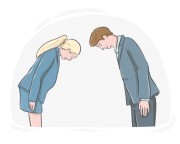
to lower one's body in a gesture of respect or submission, often by bending at the waist or knees
inclinarse, postrarse
El ejército derrotado fue obligado a inclinarse ante sus conquistadores, reconociendo su superioridad.
a punishment given for breaking a rule, law, or legal agreement
castigo
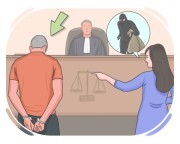
a person in a law court who is sued by someone else or is accused of committing a crime
acusado
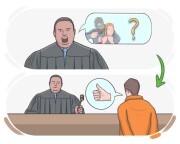
to officially state in court whether one is guilty or not guilty of a criminal charge
defender
the legal process of officially accusing someone of a crime and trying to prove their guilt in court
enjuiciamiento
an acknowledgment of having committed a wrong, shameful, or embarrassing act
confesión
La confesión de su celos sorprendió a todos.
an official judgment in court of law that declares someone not guilty of the crime they were charged with
absolución, exculpación
El abogado defensor argumentó de manera persuasiva, lo que llevó a la absolución de su cliente a pesar del caso de la fiscalía.
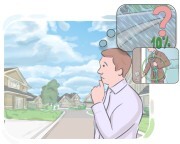
to indicate in advance that something, particularly something bad, will take place
presagiar
Su repentino silencio durante la reunión presagiaba noticias inesperadas.
